

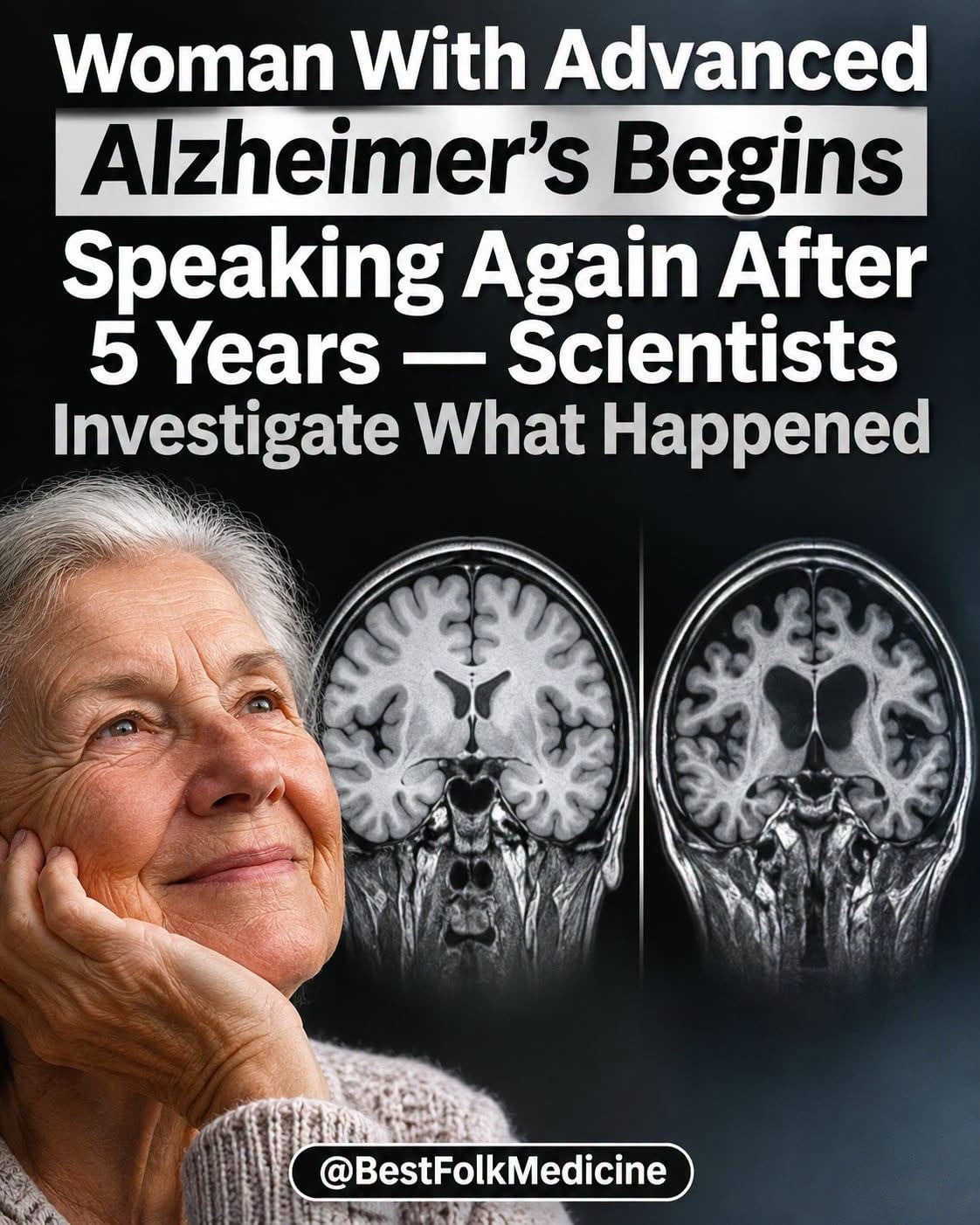
Does This Mean Scientists Have Found a Cure for Dementia?
No. This report does not demonstrate a cure, a reversal of Alzheimer’s disease, or an effective new treatment.
There are several important limitations.
First, the research describes only one person.
A single case cannot establish whether an intervention is effective or whether similar results would occur in other patients.
Second, there was no control group.
Without a comparison group, researchers cannot exclude spontaneous fluctuations, other medical factors, or observational bias.
Third, the patient’s diagnosis was based on clinical assessment without the full biomarker confirmation used in some contemporary Alzheimer’s studies.
Fourth, improvements were not consistently measured using standardized cognitive assessments and advanced brain imaging.
Finally, the patient’s reaction to the intervention included potentially dangerous symptoms.
These limitations make it impossible to establish that psilocybin caused the reported changes.
The observations are scientifically interesting, but they are not sufficient evidence to recommend the substance for dementia treatment.
Why This Is Not a Treatment to Try at Home
Psilocybin can produce powerful psychological and physiological effects.
Potential adverse reactions include anxiety, confusion, impaired judgment, increased heart rate, changes in blood pressure, and frightening perceptual experiences.
Older adults with advanced dementia may be particularly vulnerable because of frailty, existing medical conditions, communication difficulties, and medication use.
The woman described in the research experienced significant acute symptoms that required attention.
There is no established safe or effective psilocybin treatment protocol for advanced Alzheimer’s disease.
Using psychedelic mushrooms without appropriate medical supervision could expose vulnerable patients to serious harm.
Families should not interpret this isolated case as evidence that home experimentation is safe or beneficial.
