

Why Scientists Are Interested in Psilocybin and Brain Health
The most intriguing aspect of this case may be what it suggests about the brain’s remaining capabilities.
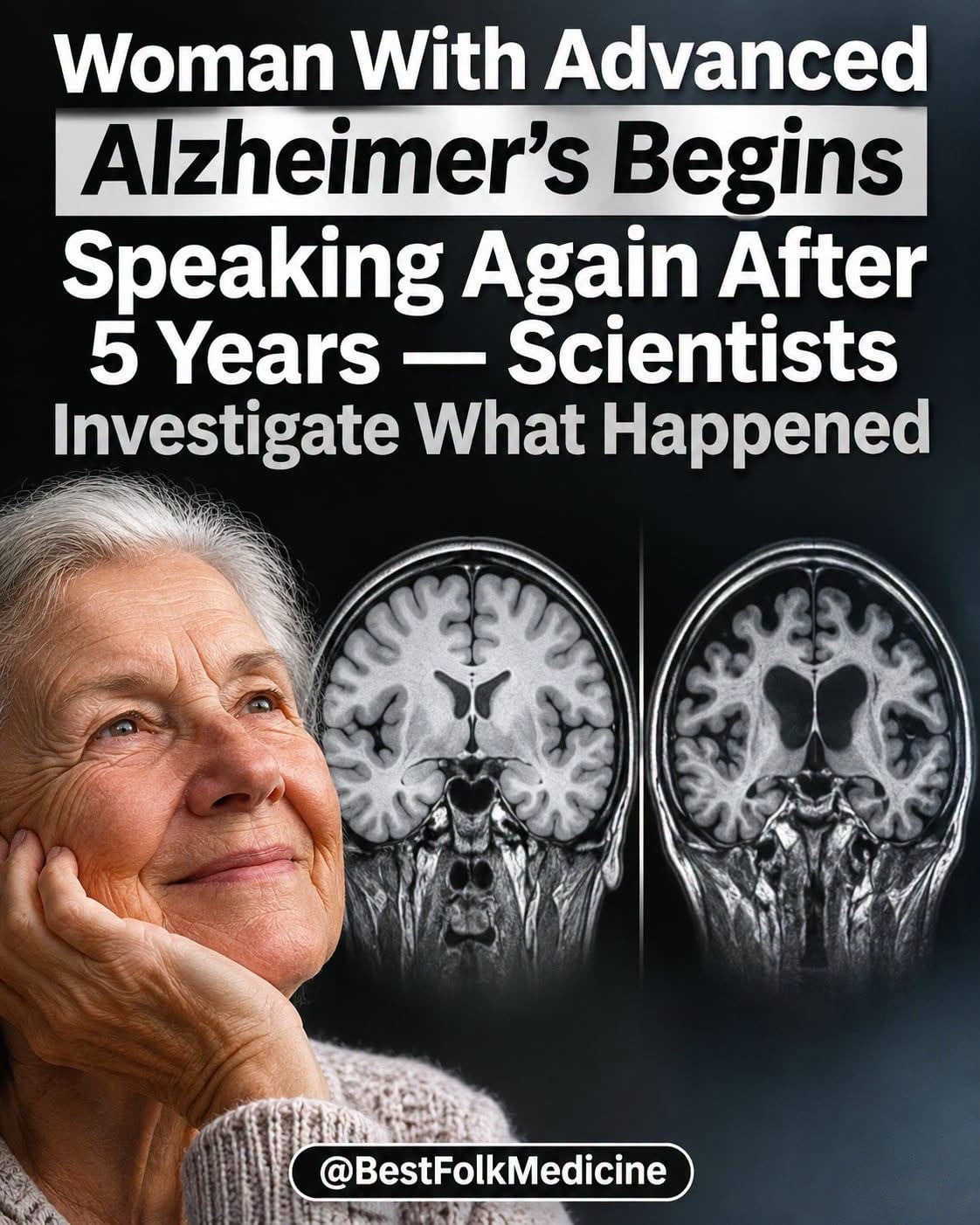
Alzheimer’s disease is characterized by progressive damage to nerve cells and the connections between them.
As the disease advances, communication between different brain regions becomes increasingly disrupted.
This contributes to worsening memory, language difficulties, behavioral changes, and loss of independence.
Psilocybin acts primarily through serotonin 5-HT2A receptors, which influence brain activity and communication between neural networks.
Researchers are particularly interested in a concept known as neuroplasticity.
What Is Neuroplasticity?
Neuroplasticity refers to the brain’s ability to change and reorganize connections between neurons.
This process is involved in learning, adaptation, memory, and recovery from certain forms of neurological injury.
Laboratory and animal studies suggest that psychedelic compounds may influence pathways associated with neural plasticity.
Human brain-imaging research has also demonstrated that psilocybin can temporarily alter communication between large-scale brain networks.
Scientists are investigating whether these effects might eventually have therapeutic applications.
However, evidence that psilocybin improves the underlying neurodegeneration of Alzheimer’s disease in humans remains insufficient.
The changes described in this woman do not establish that damaged brain cells were repaired or that the disease itself was reversed.
Could Some Lost Memories Still Exist Inside the Brain?
One possibility raised by the researchers is especially fascinating.
What if certain abilities that appear completely lost during advanced dementia remain partly preserved but become difficult for the brain to access?
The researchers proposed that changes in neural communication might temporarily make some remaining functional capacities more accessible.
This is a hypothesis rather than a demonstrated explanation.
Alzheimer’s disease causes actual structural and cellular damage, and there is currently no evidence that psilocybin can restore all the connections destroyed by the disease.
Still, understanding why occasional functional improvements occur could provide researchers with new directions to investigate.
The central question is not whether one patient was cured.
It is whether the brain may retain more residual function during advanced neurodegeneration than previously recognized.
