

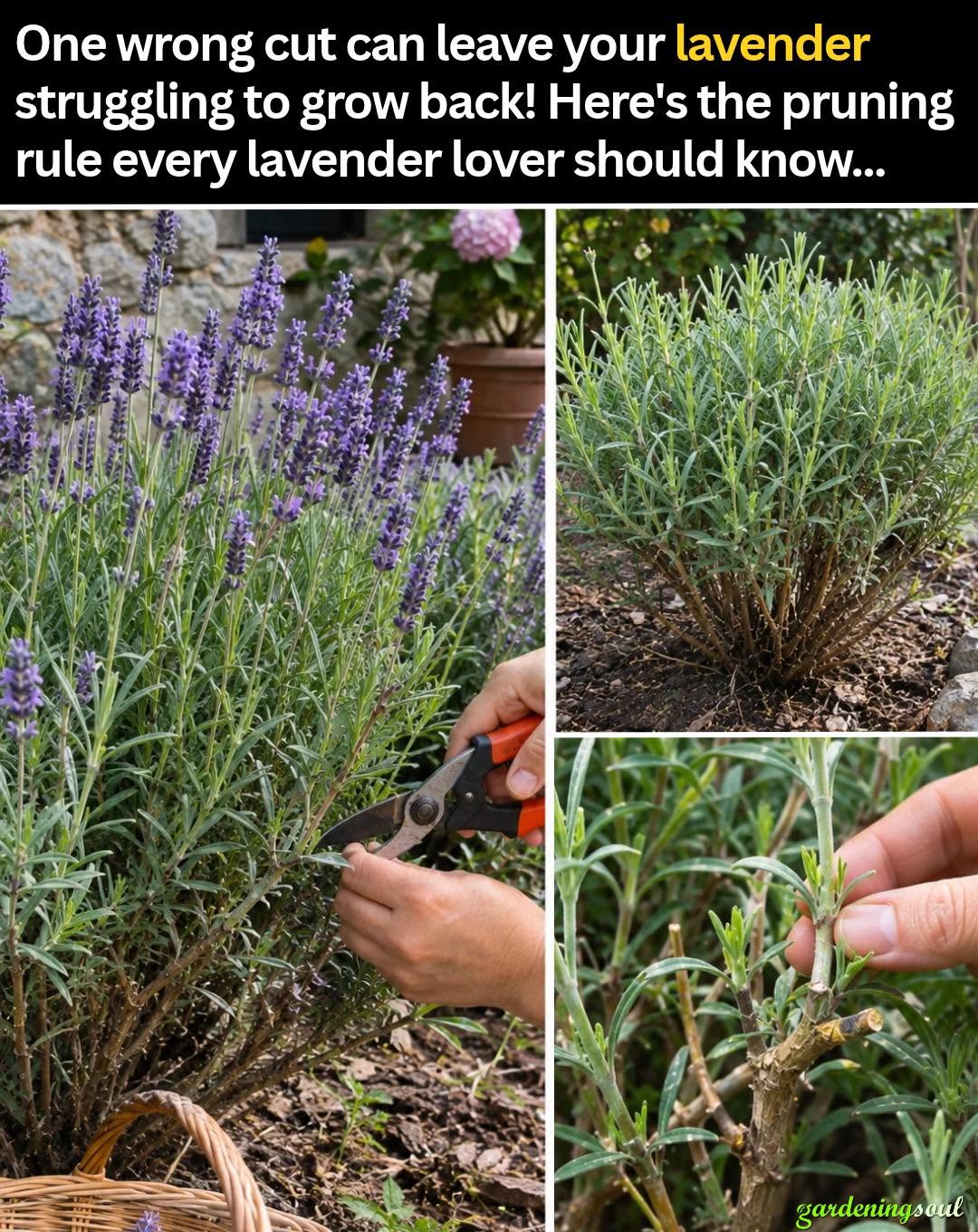
Should You Prune Lavender in Fall?
This depends largely on your climate.
In regions with mild winters, light shaping after flowering may be perfectly reasonable.
In areas with cold winters and hard freezes, heavy late-fall pruning is usually best avoided.
Pruning stimulates and exposes growth at a time when the plant should be preparing for dormancy. The remaining foliage can also provide some protection to the woody crown during winter.
If flowering finishes very late in your climate, simply remove spent flowers if necessary and leave major corrective pruning until spring.
In cold climates:
Avoid giving lavender a severe haircut immediately before winter.
A slightly untidy plant going into winter is better than a severely pruned plant exposed to freezing conditions.
What About Lavender in August?
August is often an important month for lavender because many plants have finished—or are finishing—their main summer bloom.
If the flowers are fading, this can be an excellent opportunity to deadhead and shape the plant.
Remove old flower stalks and lightly shorten the leafy stems.
However, your local climate matters.
If August is followed by a long mild autumn, the plant has plenty of time to recover.
If cold weather arrives early where you live, prune more conservatively.
August lavender care:
- Remove faded flowers.
- Trim long, floppy green stems.
- Maintain a rounded shape.
- Leave plenty of leafy growth.
- Avoid cutting into bare woody stems.
- Avoid heavy fertilizing after pruning.
Can Pruning Make Lavender Bloom Again?
Sometimes.
Deadheading and light pruning after the first flowering period may encourage certain lavender varieties to produce additional flowers later in the season.
However, don’t expect every lavender to produce another display as large as its first bloom.
Flowering depends on:
- Variety
- Climate
- Sunlight
- Plant age
- Growing conditions
- Timing of pruning
Even when a second flush doesn’t occur, pruning still helps maintain the plant’s shape for future seasons.
