

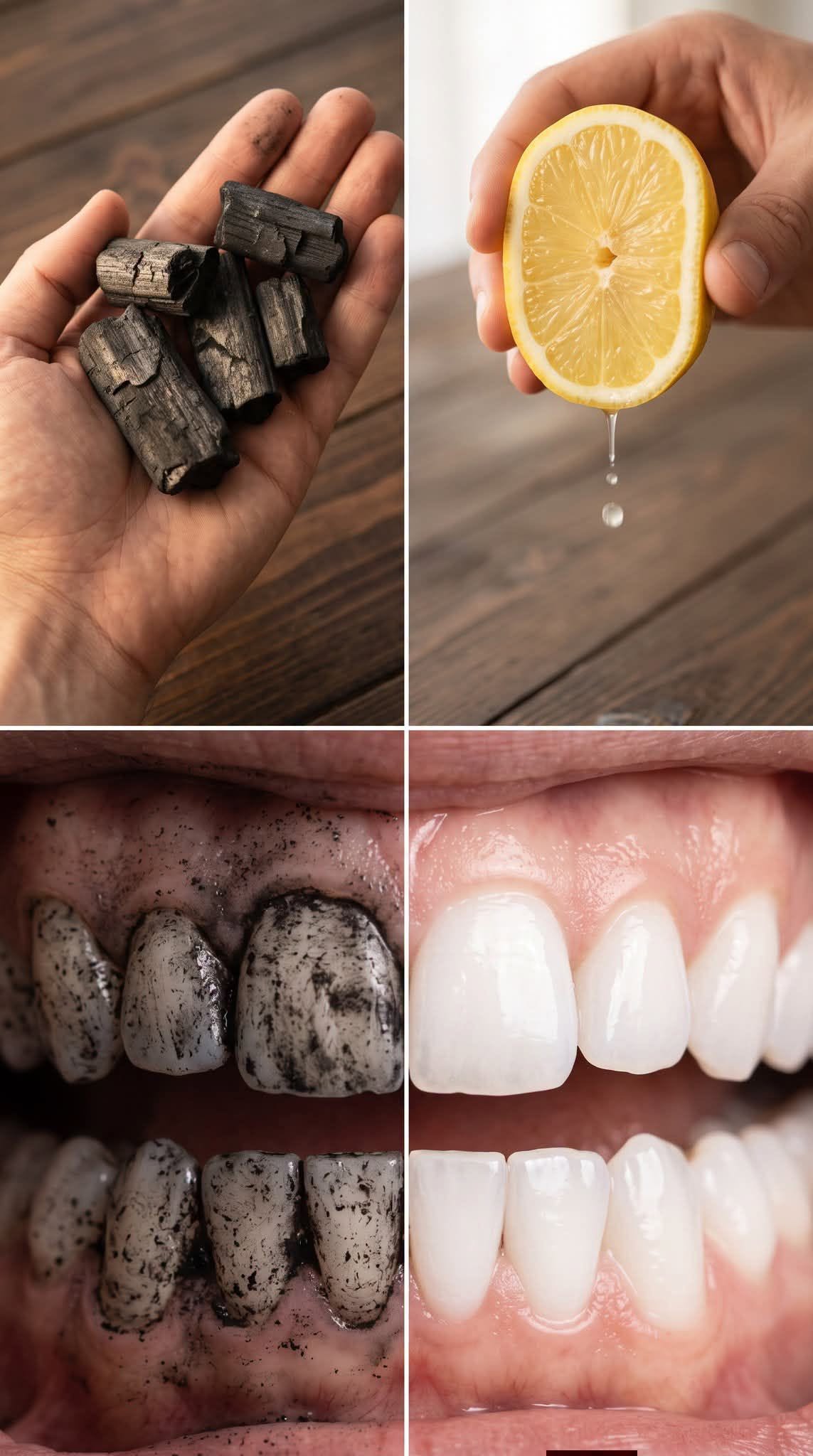
🚫 What About Doing It “Only Once in a While”?
This is where it’s important not to exaggerate.
Using a viral DIY mixture once doesn’t automatically mean someone has permanently damaged their teeth.
The bigger concern is repeated exposure, especially vigorous brushing with abrasive powders and repeated contact with acids.
The problem is that there is no simple home rule such as “once every two weeks is definitely safe.”
The risk depends on the product, amount, brushing technique, duration, existing enamel condition, acid exposure, and individual dental health.
That’s why a dentist is in a much better position to determine what whitening method is appropriate.
🪥 What Should You Use Instead?
If your goal is a brighter smile, there are much better-supported approaches.
1. Start With Regular Fluoride Toothpaste
Good everyday oral hygiene is the foundation.
Brush twice a day with a fluoride toothpaste and clean between your teeth regularly. The ADA recommends evidence-based oral-care habits rather than replacing them with viral DIY treatments.
2. Consider an Evidence-Based Whitening Product
Some over-the-counter whitening products use peroxide-based ingredients and have substantially more evidence behind their whitening effects than charcoal and lemon.
Look for products from reputable manufacturers and follow the directions carefully.
3. Ask Your Dentist
If you have significant discoloration, sensitivity, crowns, veneers, fillings, or other dental work, professional advice is especially useful.
Not every type of discoloration responds to whitening in the same way.
A dentist can also determine whether the color change is simply staining or something that needs attention.
☕ Don’t Forget About Stains in the First Place
If you regularly drink coffee, tea, cola, or red wine—or use tobacco—surface staining can accumulate over time.
You don’t necessarily have to give up everything you enjoy.
Good brushing, cleaning between your teeth, regular dental visits, and rinsing with water after staining or acidic beverages can all help support your oral health.
