

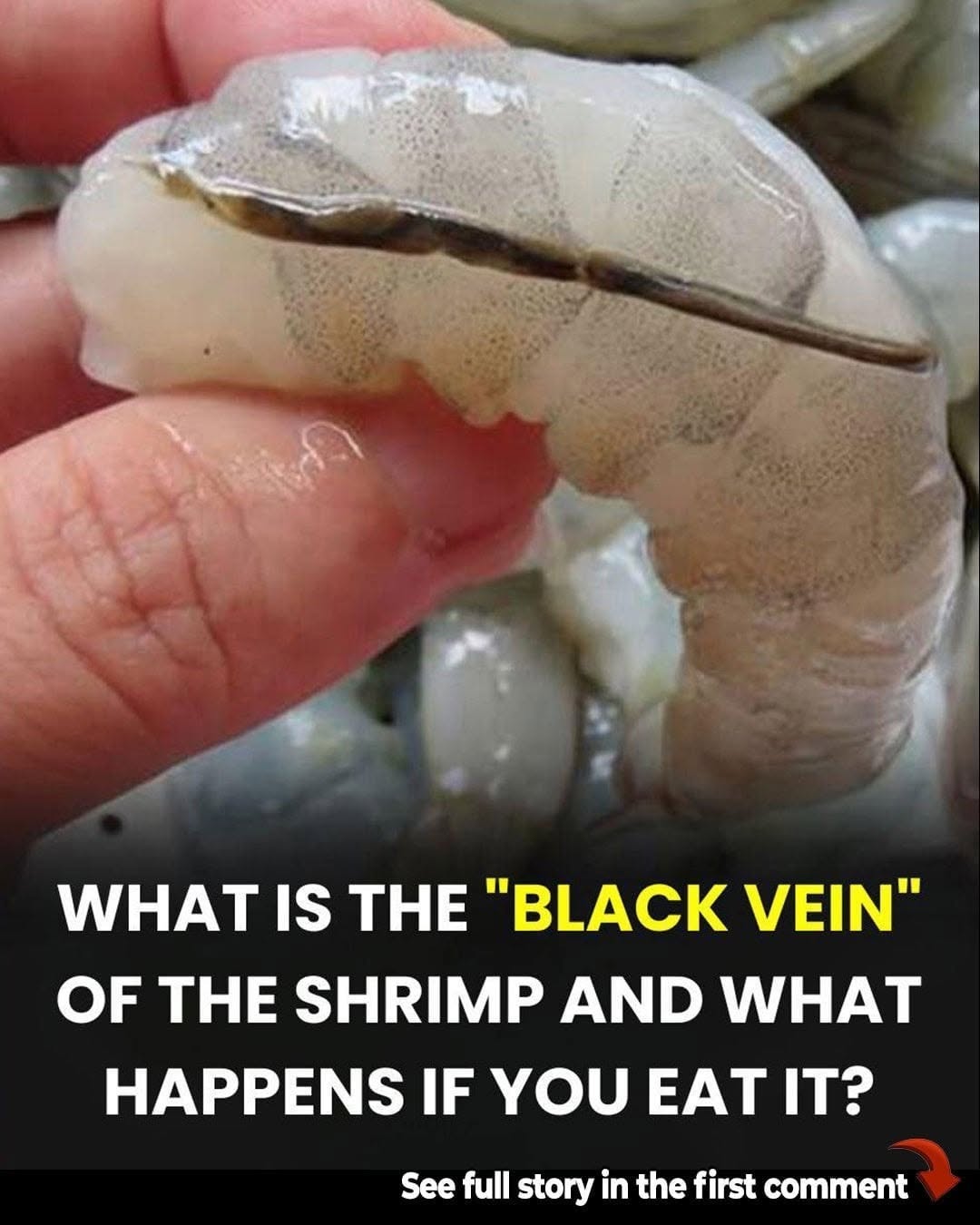
Deveining shrimp means removing the digestive tract from along the back. It is a common preparation step in home kitchens and professional restaurants, especially when larger shrimp are used.
There are several practical reasons for doing so.
1. It Can Improve Texture
One of the most common complaints about an unremoved shrimp vein is that it may feel gritty.
If the digestive tract contains sand or other particles, these can create an unpleasant texture when you bite into the shrimp. Removing the tract helps reduce this possibility.
The difference may be especially noticeable in dishes where shrimp is served simply, such as grilled shrimp, boiled shrimp, shrimp cocktails, or lightly seasoned sautéed shrimp.
2. It Can Improve Appearance
Deveined shrimp generally looks cleaner and more appealing, particularly when the shrimp is presented whole.
This matters when preparing seafood platters, salads, appetizers, or dishes for guests. A neat, clean appearance can make the finished meal look more carefully prepared.
For restaurants, catering businesses, and home cooks who enjoy attractive food presentation, deveining is often worth the extra effort.
3. It May Reduce Unpleasant Flavors
The digestive tract can sometimes contribute a bitter, earthy, or muddy flavor, particularly when it contains grit or digestive material.
However, not every shrimp vein tastes unpleasant. Some are barely noticeable, and the difference may be small in strongly seasoned dishes.
Removing the tract is therefore primarily a matter of texture, flavor, and presentation rather than a universal requirement for safety.
4. It Makes Simple Shrimp Dishes More Enjoyable
In recipes featuring garlic, butter, lemon, herbs, or a light seasoning, the natural flavor of shrimp is the main attraction.
Because these dishes do not rely on heavy sauces to cover imperfections, careful preparation can make a noticeable difference.
For large shrimp served whole, deveining is often a sensible extra step.
How to Properly Devein Shrimp
Removing the digestive tract may seem difficult if you have never done it before. In reality, it requires only a small knife or a suitable deveining tool and a little practice.
Step 1: Prepare Your Workspace
Begin with clean hands, a clean cutting board, and a small paring knife.
If you are working with frozen shrimp, thaw it safely before preparing it. The shrimp should be firm enough to handle but not frozen solid.
Keep raw shrimp separate from ready-to-eat foods, such as salads, cooked vegetables, and bread. This helps prevent cross-contamination.
Step 2: Rinse the Shrimp Carefully
Rinse the shrimp briefly under cold running water if needed to remove visible surface debris.
Avoid splashing water around the sink or onto nearby food and utensils, since splashing can spread microorganisms from raw seafood.
Pat the shrimp dry with clean paper towels if you need a better grip.
Step 3: Remove the Shell if Desired
You can devein shrimp with the shell on or off.
For a straightforward method, peel away the shell and legs, starting near the head end and working toward the tail. You may leave the tail attached if the recipe calls for it.
Removing the shell first makes the digestive tract easier to access. However, some cooks prefer to leave the shell on when grilling or boiling shrimp because it can help protect the flesh during cooking.
Step 4: Make a Shallow Cut Along the Back
Place the shrimp on the cutting board with its curved back facing upward.
Using the tip of a small knife, make a shallow cut along the back, following the length of the body. You only need to open the surface enough to expose the dark line.
Do not cut deeply into the flesh. A shallow incision is usually sufficient.
Step 5: Lift Out the Digestive Tract
Look for the thin, dark strand exposed by the cut.
Use the knife tip, a toothpick, or your fingers to gently lift it out. Pull slowly to avoid breaking the strand.
Sometimes the tract comes out in one piece. Other times, it breaks into smaller sections. If this happens, carefully remove any visible remaining material.
Step 6: Clean the Shrimp and Continue Cooking
Inspect the shrimp and remove any visible debris.
If rinsing is necessary, do so carefully under cold running water, avoiding splashes. Clean the cutting board, knife, and surrounding work surfaces after handling raw shrimp.
The shrimp is now ready for marinating, seasoning, or cooking.
With practice, deveining becomes a quick routine. The time required depends on the size of the shrimp and how many you need to prepare.
Should You Always Remove the Shrimp Vein?
Not necessarily.
Many people remove the digestive tract from large shrimp but leave it in smaller shrimp because the line is difficult to see and the process takes time.
In dishes containing small shrimp, such as fried rice, noodles, soups, or certain stir-fries, deveining every individual shrimp may be impractical.
Your decision can depend on several factors:
- Shrimp size: Larger shrimp often have a more visible digestive tract.
- Recipe: Whole grilled shrimp or shrimp cocktails may benefit from careful deveining.
- Texture preference: People who dislike grit may prefer to remove the tract whenever possible.
- Presentation: Deveining is useful when serving shrimp to guests or preparing an elegant seafood platter.
- Time available: Small shrimp used in mixed dishes may not need individual deveining if the tract is not noticeable.
Farm-raised shrimp are not automatically free of digestive material, and wild-caught shrimp are not necessarily dirty. The visibility and contents of the digestive tract vary from one shrimp to another.
The most important distinction is that deveining is primarily a quality and preference decision. It does not replace safe handling, proper refrigeration, or thorough cooking.
