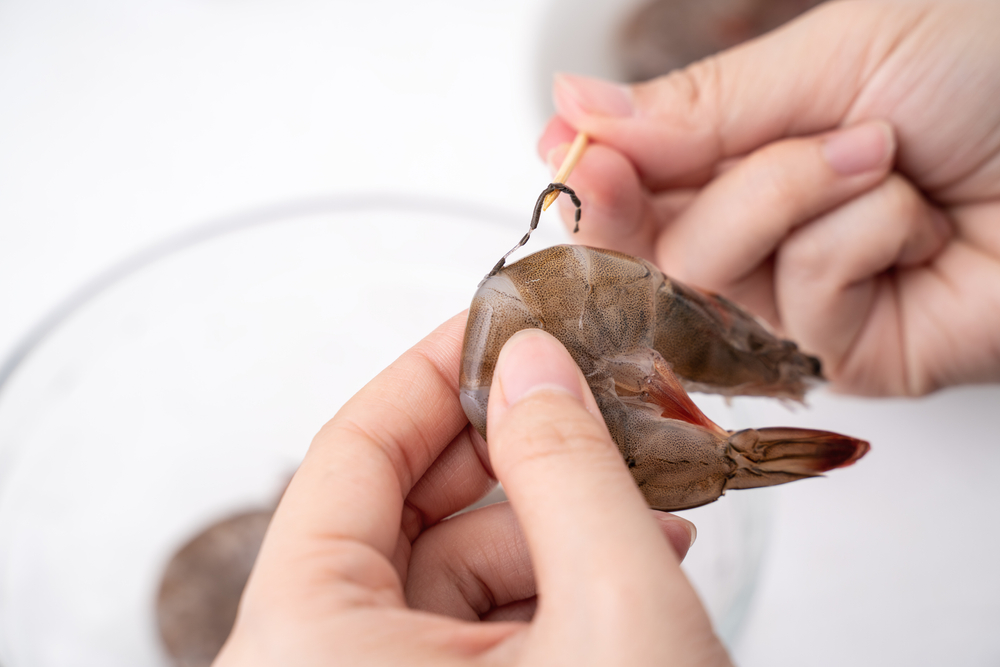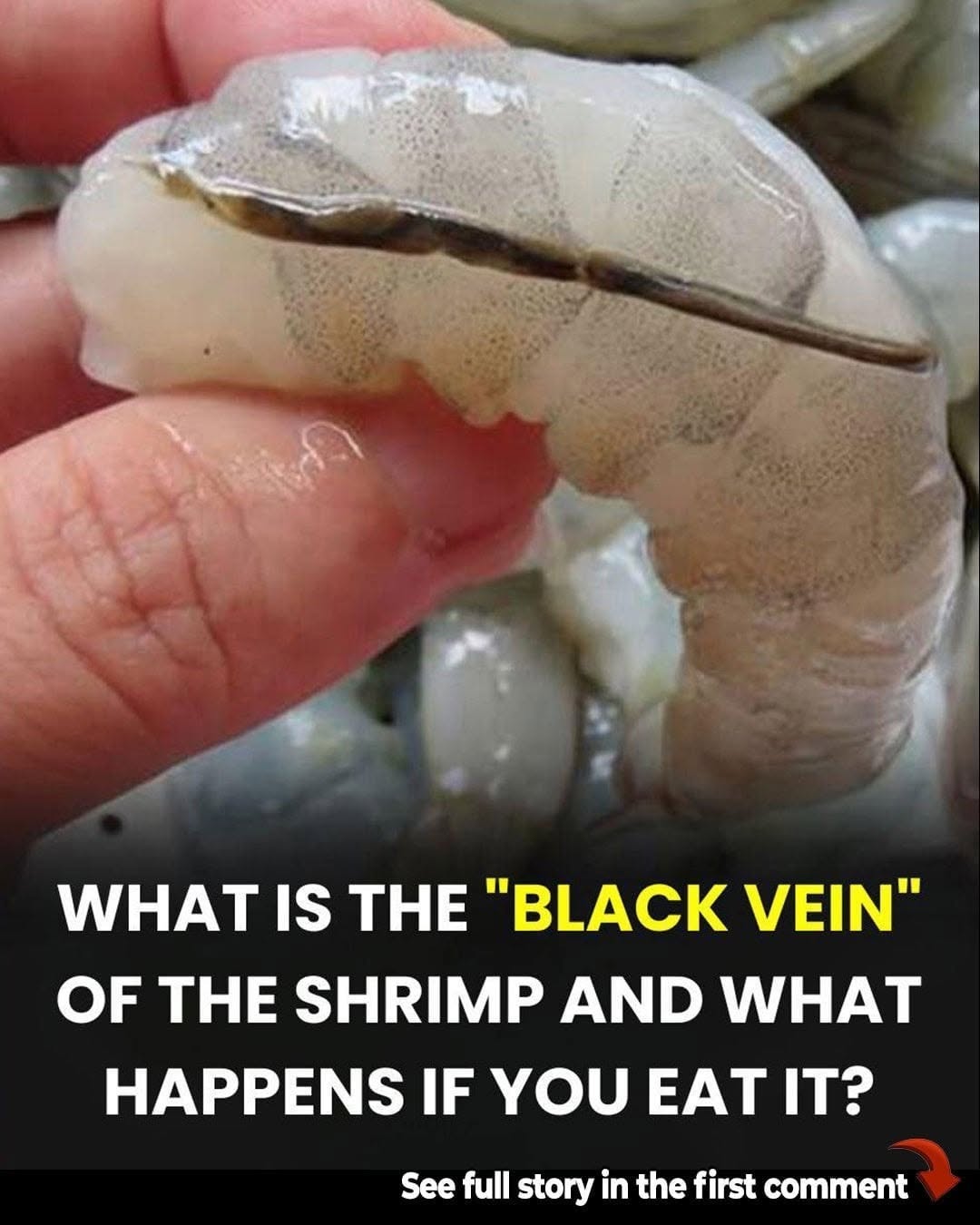
If you’ve ever cooked shrimp, you might have noticed a black vein in shrimp running along its back. This so-called “black vein” often causes confusion and even disgust for many home cooks. Some people wonder if it’s harmful or simply something that should be removed for better taste. In reality, the black vein is just the shrimp’s digestive tract, but it can carry grit or a bitter flavor that’s best avoided. In this article, I’ll guide you step-by-step on how to prepare shrimp properly, including how to remove that shrimp vein. I’ll also explain why you shouldn’t eat the black vein and finish up with some surprising health benefits of shrimp that might make it your new favorite seafood.
What Is the Black Vein in Shrimp?
The black vein in shrimp isn’t a blood vessel like many people assume. Instead, it’s actually the shrimp’s digestive tract, often called the shrimp vein. This dark line contains the shrimp’s waste material. It runs along the back and can sometimes be seen through the translucent shell. While it doesn’t look very appetizing, it’s not toxic or harmful if accidentally eaten. However, most people prefer to remove it because it can taste bitter or gritty. Understanding this can help you feel more comfortable when cooking and eating shrimp.
Why You Should Devein Shrimp
Deveining shrimp means removing that black or sometimes white line along the shrimp’s back. Even though the shrimp vein isn’t dangerous, many chefs recommend deveining to improve the shrimp’s flavor and texture. The digestive tract can hold sand or grit, which may give a gritty texture to your dish. It also makes the shrimp look cleaner and more appealing. In recipes where shrimp is served whole or in simple preparations, deveining is especially important for presentation. It’s mostly a matter of personal preference, but many agree it’s worth the extra step.
How to Properly Devein Shrimp