

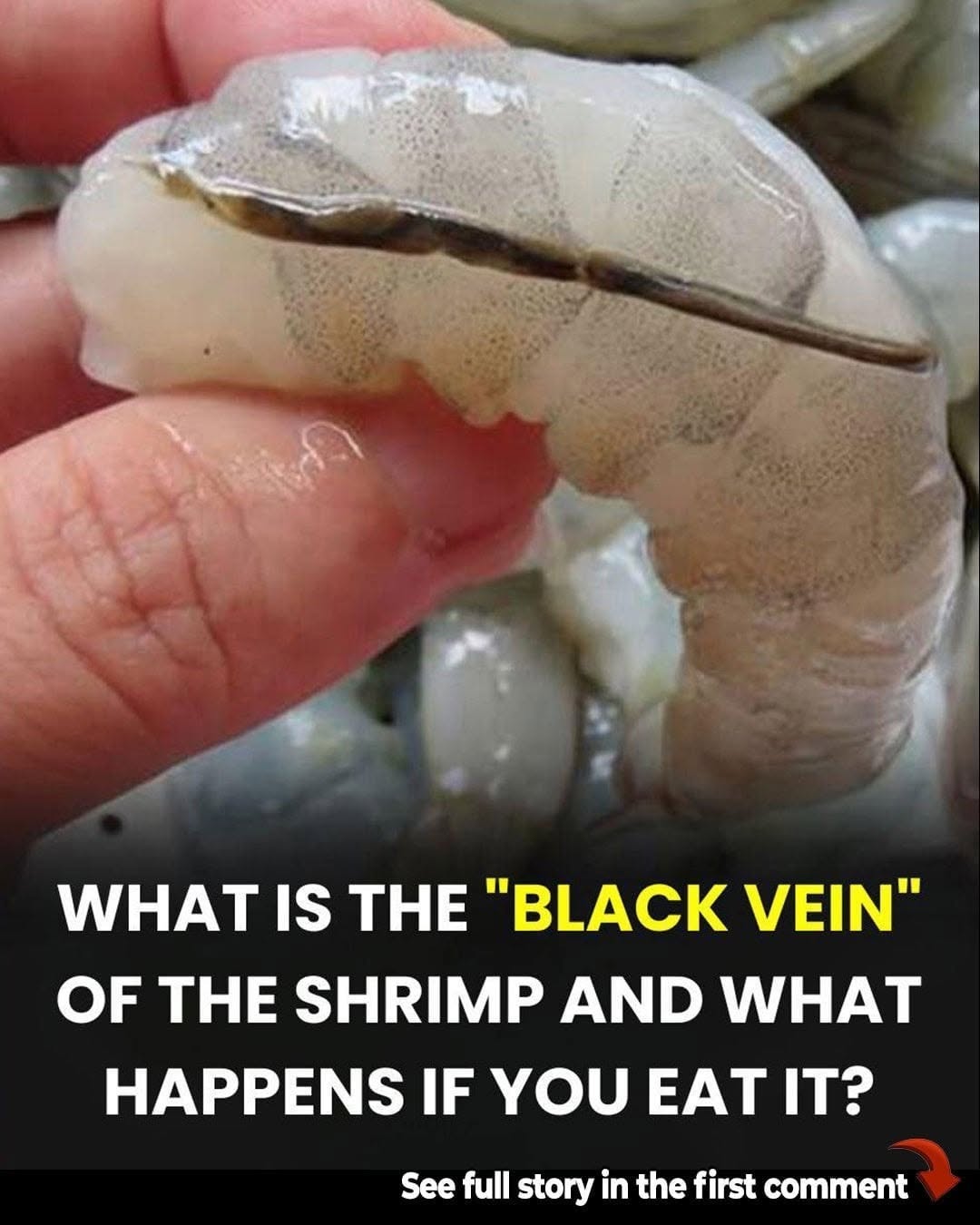
Occasionally, the line along the back of a shrimp may look pale, white, or nearly transparent instead of black.
This does not necessarily mean something is wrong. The digestive tract may be less visible depending on its contents, and other pale structures can sometimes be mistaken for it.
If you are unsure whether you are looking at the digestive tract, examine the shrimp carefully under good lighting. The dorsal digestive tract runs along the back of the body.
Remember that appearance alone cannot establish whether seafood is safe. Shrimp that looks normal may still be unsafe if it has been stored incorrectly, while a dark digestive tract alone does not prove that the shrimp has spoiled.
When in doubt about freshness, follow food-safety guidance rather than trying to judge safety by the vein's color.
How to Buy Fresh Shrimp
Good shrimp begins with good purchasing decisions. Whether you buy it from a seafood market, supermarket, or fishmonger, a few simple checks can help you choose a better product.
Look for a Mild, Fresh Smell
Fresh shrimp should have a mild, clean, sea-like smell.
Avoid shrimp with a strong sour, rotten, or ammonia-like odor. These smells can indicate deterioration.
Smell is only one indicator, however. Seafood can sometimes be unsafe even when it does not have an obvious unpleasant odor.
Check the Texture
Fresh raw shrimp should generally feel firm rather than excessively soft or mushy.
The flesh should not appear badly deteriorated, and the shrimp should not have an unusual, sticky coating.
If the shrimp is sold in its shell, examine the shells for signs of damage or deterioration.
Consider How It Has Been Stored
Shrimp should be displayed under appropriate refrigeration or kept frozen. At a seafood counter, look for products that are properly chilled rather than sitting in warm conditions.
Ask the seller when the shrimp arrived, how it has been stored, and whether it was previously frozen if this information is important to you.
A reputable seller who handles seafood carefully can make purchasing easier.
Choose a Product That Fits Your Recipe
Different shrimp sizes work better for different meals.
- Small shrimp are convenient for fried rice, soups, and mixed dishes.
- Medium shrimp are versatile for stir-fries, pasta, and salads.
- Large shrimp are suitable for grilling, skewers, and appetizers.
- Extra-large shrimp can make an attractive centerpiece for a seafood platter.
Buying the right size can reduce preparation time and help you achieve a better result.
Frozen Shrimp: What You Need to Know
Frozen shrimp is convenient, widely available, and often an excellent choice for home cooking.
Depending on the product, frozen shrimp may be raw, fully cooked, peeled, unpeeled, deveined, or sold with the shell and digestive tract intact.
Read the packaging carefully so you know what you are buying.
Is Frozen Shrimp Less Nutritious Than Fresh Shrimp?
Not necessarily.
Shrimp is often frozen soon after harvesting or processing, helping preserve its quality. Properly handled frozen shrimp can retain much of its nutritional value and can be a practical alternative to shrimp sold unfrozen.
The quality of the product depends on factors such as the original freshness, processing, packaging, storage temperature, and how long it has been stored.
For many home cooks, high-quality frozen shrimp offers convenience without sacrificing the essential qualities of the seafood.
How to Thaw Frozen Shrimp Safely
The refrigerator is generally the best choice when you have enough time.
Place the shrimp in a covered container in the refrigerator and allow it to thaw. Put the container on a low shelf to prevent any liquid from dripping onto other foods.
If you need to thaw shrimp more quickly, place it in a sealed, leakproof bag and submerge it in cold water, changing the water as needed. Cook it promptly after thawing.
Do not leave shrimp on the kitchen counter to thaw at room temperature. The outside can warm into a temperature range that encourages bacterial growth while the center remains frozen.
Avoid using warm water to speed up thawing.
Can You Refreeze Shrimp?
Shrimp that has been thawed in the refrigerator can generally be refrozen safely, although its texture and quality may decline.
If it was thawed using cold water or a microwave, cook it before refreezing.
Never refreeze seafood that has been left at unsafe temperatures for an extended period. When storage conditions are uncertain, it is safer to discard the product.
Simple and Delicious Ways to Cook Shrimp
One reason shrimp is popular around the world is that it cooks quickly and works with many flavors.
However, shrimp can become rubbery if it is cooked for too long. The goal is to heat it thoroughly while preserving its tender texture.
1. Boiled Shrimp
Boiling is one of the simplest preparation methods.
Bring a pot of water to a boil and add seasonings such as salt, ginger, lemon, or herbs if desired. Add the shrimp and cook until it becomes opaque and firm.
Cooking time varies with the size of the shrimp, whether it is shelled, and whether it is fresh or frozen.
Rather than relying only on a fixed number of minutes, check that the shrimp has reached an internal temperature of 145°F (63°C), the temperature recommended by the U.S. Food and Drug Administration for seafood.
Boiled shrimp works well in salads, cold seafood platters, and simple family meals.
2. Garlic Butter Shrimp
Garlic butter shrimp is a popular option because it requires few ingredients.
Heat a little butter or olive oil in a skillet. Add minced garlic and cook briefly until fragrant, taking care not to burn it.
Add the prepared shrimp and sauté until cooked through. Finish with lemon juice, black pepper, and fresh herbs if desired.
Serve with rice, pasta, steamed vegetables, or crusty bread.
Because the cooking process is quick, prepare your garlic and other ingredients before adding the shrimp to the pan.
