

One surprising benefit of shrimp is its positive impact on heart health. Shrimp contains omega-3 fatty acids, which are known to help lower bad cholesterol and raise good cholesterol. This can reduce the risk of heart disease. The selenium in shrimp also acts as an antioxidant, protecting heart cells from damage. Studies have shown that moderate shrimp consumption is linked to improved cholesterol profiles. So, adding shrimp to your meals a couple of times a week may help keep your heart strong and healthy.
Shrimp as a Source of Important Nutrients

Shrimp is rich in nutrients beyond protein and omega-3s. It provides a good dose of iodine, which supports thyroid function and brain health. Many people don’t get enough iodine, so shrimp can be a tasty way to fill that gap. It also contains vitamin D, zinc, and copper, all vital for your immune defenses and metabolism. Shrimp is naturally low in carbohydrates, which makes it ideal for many diet plans. Eating shrimp gives your body a nutrient boost without adding too many calories.
Conclusion: Enjoy Shrimp Safely and Deliciously
 Preparing shrimp is simple once you know how to handle the black vein in shrimp properly. Removing the shrimp vein improves flavor, texture, and presentation, but it is safe to eat if left in. Buying fresh or quality frozen shrimp and avoiding common cooking mistakes helps you get the most out of this seafood. Plus, shrimp offers plenty of health benefits, from supporting heart health to providing essential nutrients. So next time you cook shrimp, take a moment to clean it well and enjoy a delicious, nutritious meal. Shrimp is a great choice for anyone looking to add healthy protein to their diet without fuss.
The Black Vein in Shrimp: What It Really Is, How to Remove It, and Why Shrimp Is Good for You
If you have ever prepared shrimp at home, you have probably noticed a thin black line running along the back of the shrimp. For some people, this dark line is barely noticeable. For others, it can make an otherwise delicious seafood dish look unappetizing.
This feature, commonly known as the “black vein,” often raises several questions. Is it a blood vessel? Does it contain waste? Is it dangerous to eat? And should you always remove it before cooking?
The good news is that preparing shrimp properly is relatively simple. The black line is usually the shrimp’s digestive tract, not a blood vessel. Although eating it is generally not considered dangerous when the shrimp has been handled and cooked safely, removing it can improve the appearance and eating experience of your meal.
Beyond proper preparation, shrimp offers several nutritional advantages. It is rich in protein, relatively low in calories, and provides important nutrients such as vitamin B12, selenium, iodine, and phosphorus.
In this guide, we will explore what the black vein actually is, explain how to remove it step by step, discuss how to buy and store shrimp safely, and examine the nutritional benefits of adding this popular seafood to a balanced diet.
What Is the Black Vein in Shrimp?
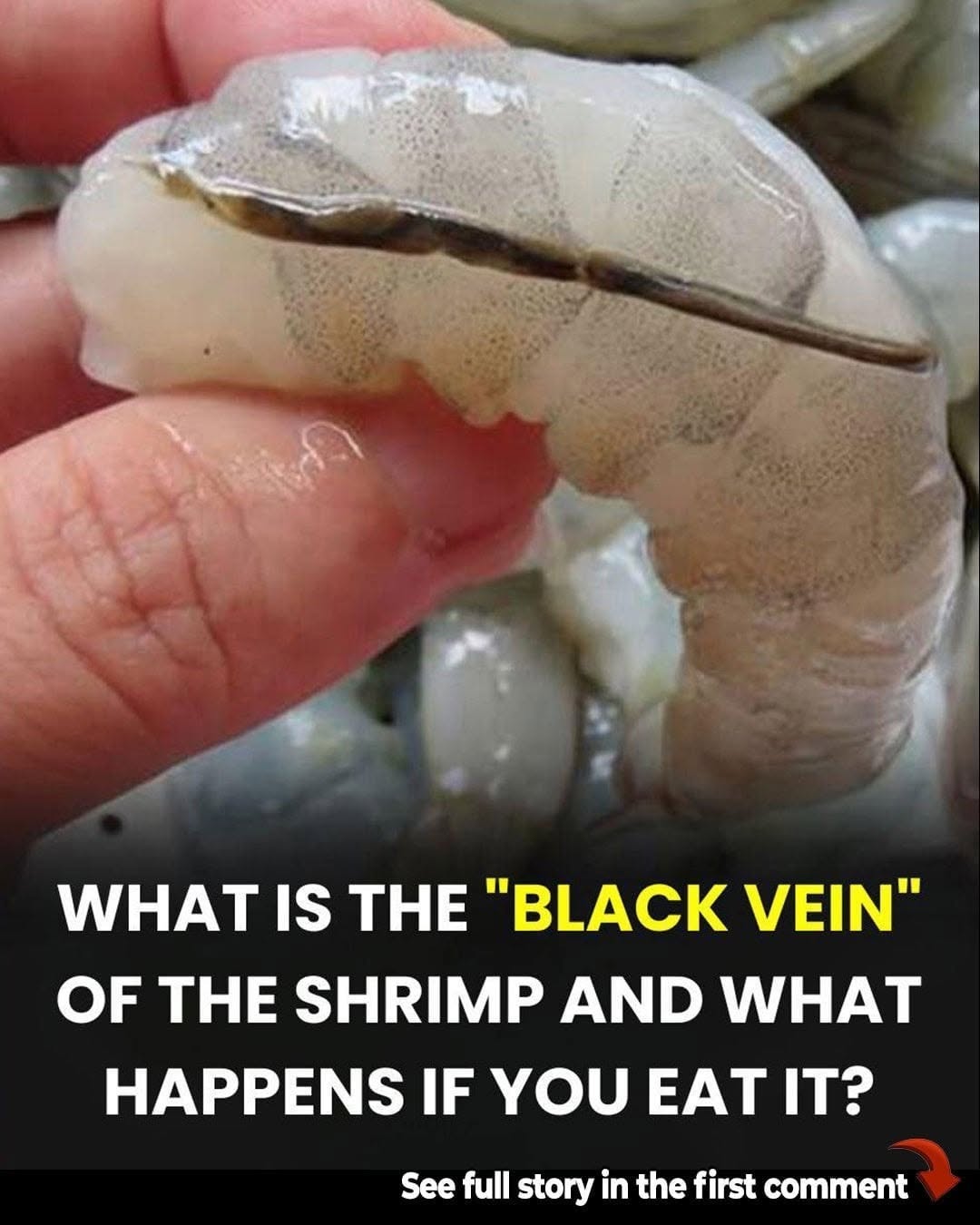
When you peel a shrimp and examine its back, you may notice a thin, dark line running lengthwise along the body. This is commonly called the shrimp vein, although the name can be misleading.
Unlike the veins in humans, this structure is not a blood vessel. It is the shrimp’s digestive tract, which runs along the dorsal side of its body.
The digestive tract carries food through the shrimp’s digestive system. Depending on what the shrimp has eaten and how recently it fed, the tract may contain partially digested food, digestive material, or small particles.
This is why the line sometimes appears black, brown, greenish, or gray. Its color and visibility can vary depending on the shrimp’s size, species, diet, and condition.
In some shrimp, the digestive tract is barely visible. In others, particularly larger shrimp, it can be quite prominent.
Although its appearance may be unpleasant to some people, the digestive tract is not automatically poisonous or contaminated simply because it is dark. The main concerns are food quality, possible grit, and personal preference.
Is the Black Vein Really Waste?
The digestive tract may contain material that has not yet been fully digested, including food particles. However, describing everything inside it as harmful waste would be an oversimplification.
A dark digestive tract does not necessarily mean the shrimp is spoiled. Similarly, a shrimp with a less visible tract is not automatically safer than one with a visible line.
Food safety depends much more on the shrimp’s freshness, handling, storage, and cooking than on the color of this particular structure.
If shrimp smells strongly sour, rotten, or ammonia-like, feels unusually slimy, or shows other signs of deterioration, it should not be eaten. Removing the digestive tract cannot make spoiled seafood safe.
Understanding this distinction helps home cooks make better decisions instead of relying on appearance alone.
