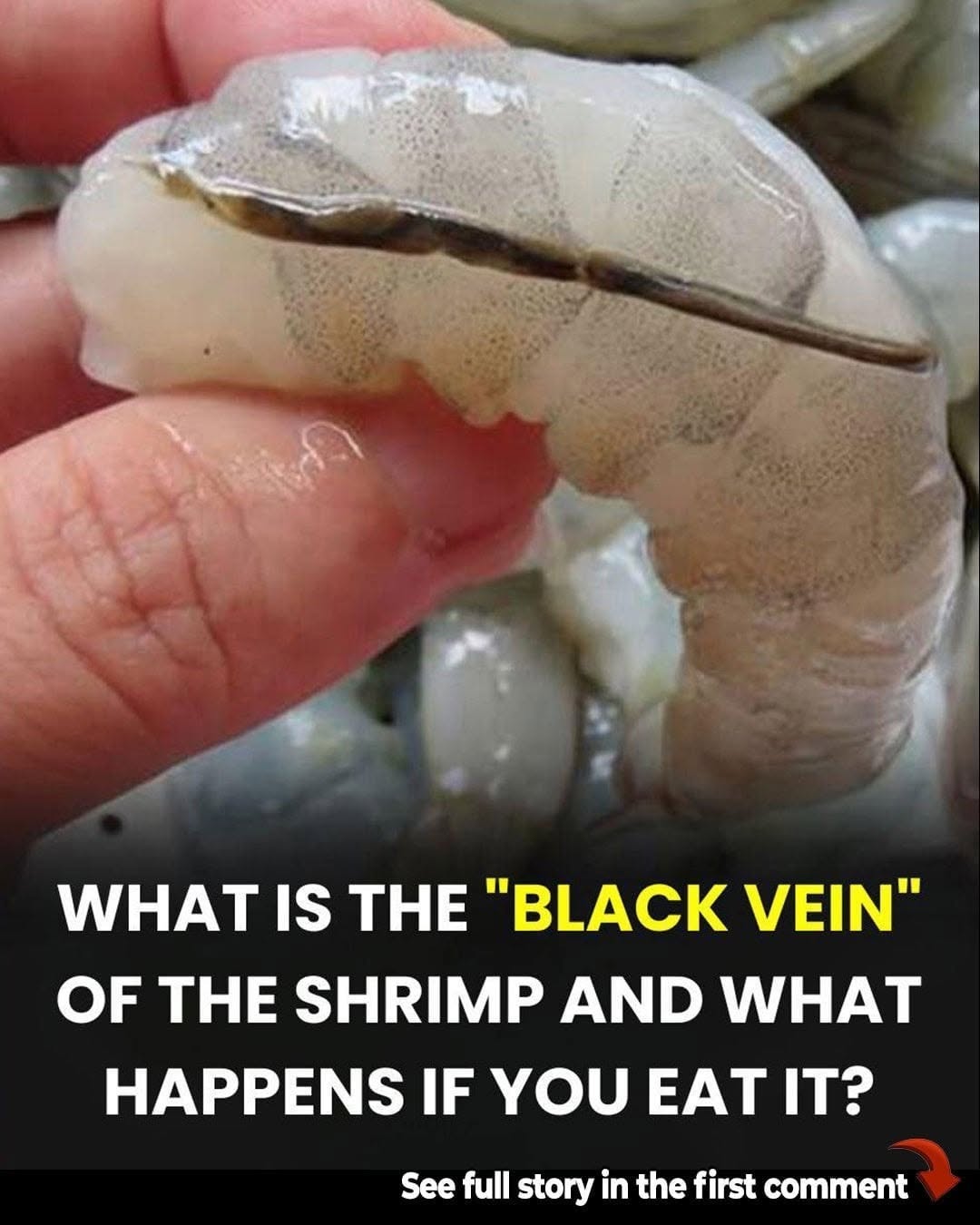
Frozen shrimp is convenient and widely available. Most frozen shrimp are pre-cooked or frozen raw with the vein still inside. Look for shrimp labeled “previously frozen” or “raw” to know what you’re getting. When thawing frozen shrimp, do it slowly in the fridge or under cold running water. Avoid thawing at room temperature to keep the shrimp safe. Some brands sell deveined frozen shrimp, which is a real time-saver. However, you might pay a bit more for that convenience. Frozen shrimp can be just as good as fresh if handled and cooked properly.
Simple Shrimp Cooking Methods

Shrimp cooks very fast, usually in just a few minutes. You can boil, grill, sauté, or bake shrimp depending on your recipe. Boiling is great for shrimp cocktails or salads. Just drop shrimp in boiling water for two to three minutes until they turn pink and curl. Grilling adds smoky flavor but keep an eye to avoid overcooking. Sautéing shrimp with garlic and butter makes a quick, tasty dish. Baking is easy too, especially for larger shrimp with herbs and lemon. No matter how you cook it, remove the shrimp vein first for the best taste and texture.
Common Mistakes When Preparing Shrimp

One mistake is overcooking shrimp, which makes it rubbery and tough. Shrimp only needs a few minutes of heat before it’s done. Another error is not cleaning the shrimp properly. Leaving the shrimp vein in can affect flavor and presentation. Using too much salt or spices can overwhelm the delicate shrimp taste. Also, thaw frozen shrimp incorrectly by using warm water or leaving it out too long. Finally, don’t forget to dry the shrimp before cooking; wet shrimp won’t sear well. Avoid these mistakes to enjoy shrimp at its best.
Health Benefits of Eating Shrimp
Shrimp is not only delicious but also packed with nutrients. It is low in calories but high in protein, making it great for building muscle or managing weight. Shrimp also contains important vitamins like B12 and minerals such as selenium, which support your immune system. Additionally, it has antioxidants that help reduce inflammation. Despite being a seafood, shrimp has very little fat and is mostly healthy unsaturated fats. Eating shrimp regularly can be part of a balanced diet that supports overall health.
Shrimp and Heart Health