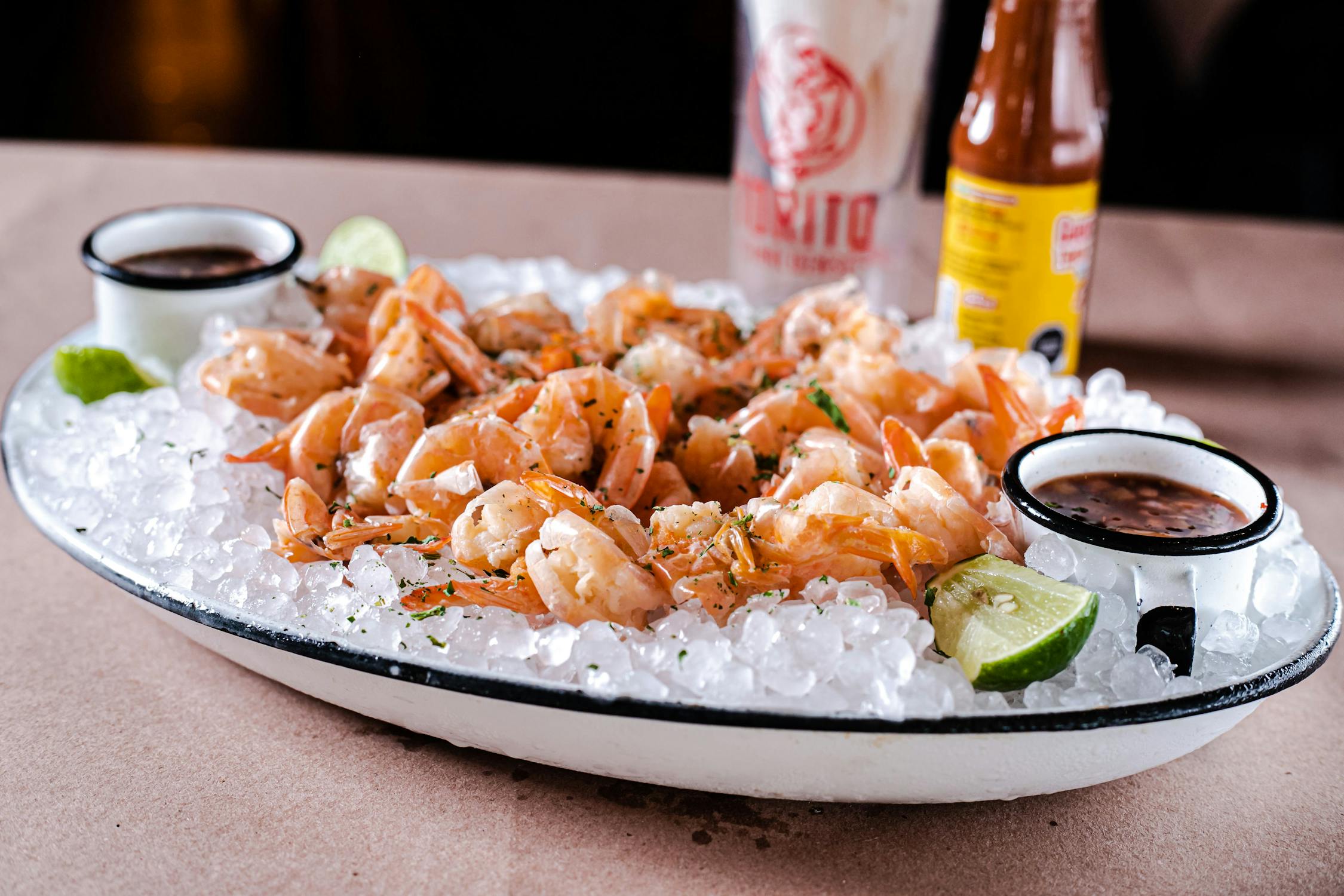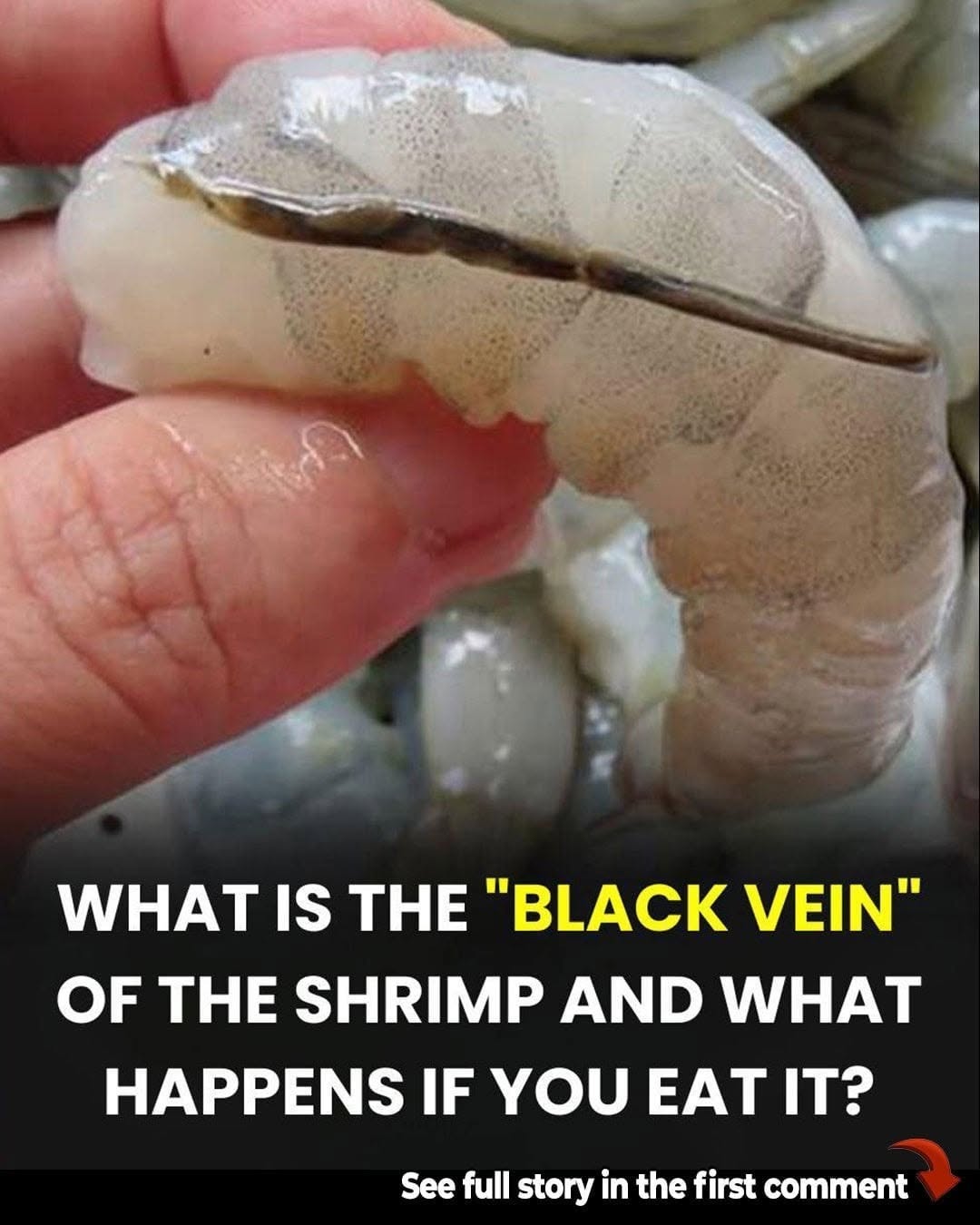
Deveining shrimp is easier than it sounds. First, rinse the shrimp under cold water to clean the surface. Then, use a small paring knife or a shrimp deveiner tool to make a shallow cut along the shrimp’s back. You’ll see the vein easily. Gently lift it out with the tip of the knife or your fingers. Some veins come out in one long piece, while others may break up. Rinse the shrimp again to remove any leftover grit. With a little practice, deveining can take less than a minute per shrimp. This simple step makes your shrimp look fresher and taste better.
Should You Always Remove the Shrimp Vein?
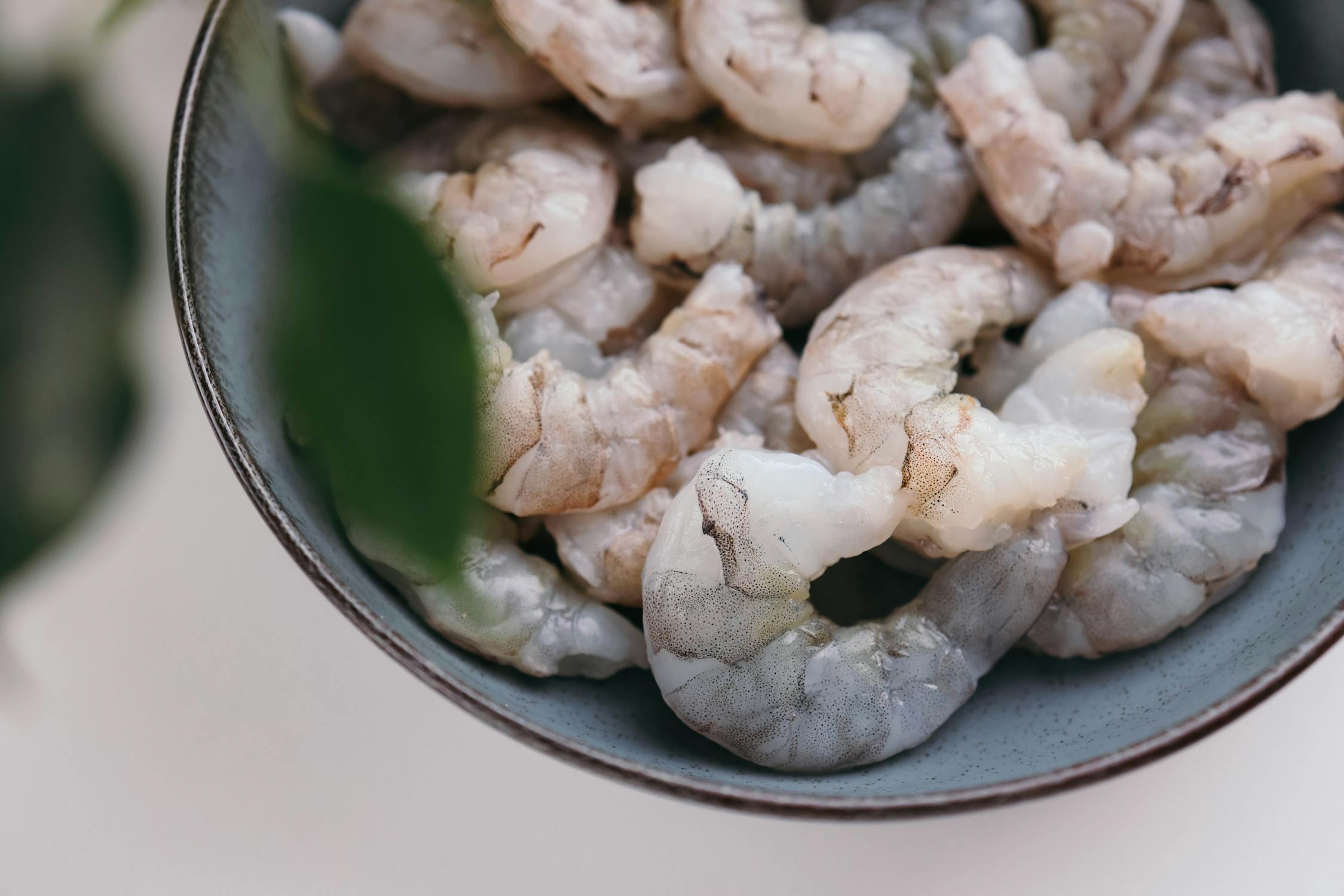
Not everyone removes the shrimp vein. Some smaller shrimp have veins so tiny they don’t bother with it. Also, farmed shrimp are often cleaner because their diet and environment are controlled. Wild-caught shrimp, however, can have more debris in the vein. If you’re cooking shrimp in a heavily spiced dish, the vein’s taste might get masked anyway. So, it’s really up to you and your preference. If you’re cooking for guests or want a cleaner presentation, removing the vein is a good idea. Otherwise, it’s safe to eat, but many find it less enjoyable.
How to Buy Fresh Shrimp
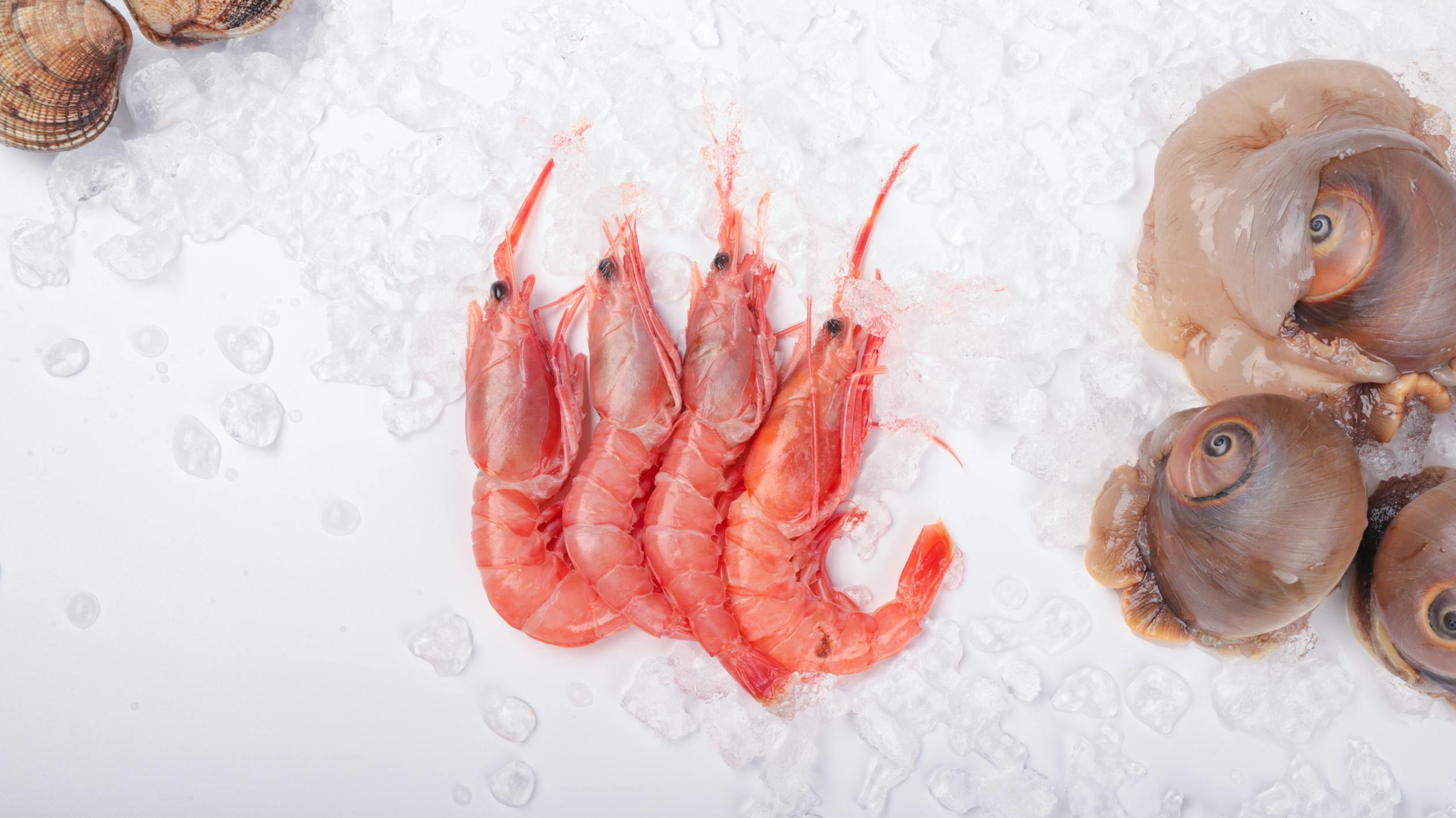
Fresh shrimp can make a big difference in taste and texture. When buying shrimp, look for firm flesh and a mild sea smell. Avoid shrimp that smells fishy or ammonia-like. If the shrimp still has the shell, check that it’s shiny and moist. For peeled shrimp, the flesh should be translucent and springy. Also, consider whether you want wild-caught or farm-raised shrimp. Each has pros and cons for taste and sustainability. Fresh shrimp often come with the vein intact, so be prepared to clean them if you want to devein. Buying from a trusted fishmonger can save you time and ensure quality.
Frozen Shrimp: What to Know