

Introduction
Garlic has maintained a prominent place in culinary traditions around the world for thousands of years. Prized for its distinctive flavor and purported health benefits, it is an essential component in many cuisines. Despite its widespread popularity, misinformation about the quality and safety of garlic persists online, leading to confusion among consumers. This comprehensive guide aims to clarify fact from fiction regarding selecting and storing garlic. We explore expert opinions, scientific understanding, and practical advice to help readers choose garlic confidently and safely.
The Significance of Garlic in Cuisine and Health
Used across diverse cultures, garlic is more than a flavor enhancer. Its history traces back to ancient civilizations such as Egypt, Greece, Rome, and China, where it was not only eaten but also valued in medicine, religious rituals, and even currency. In modern times, studies continue to examine its health effects, from cardiovascular support to antimicrobial properties, although consuming garlic should never replace evidence-based medical treatments.
Viral Claims About ‘Bad Garlic’: Myths and Reality
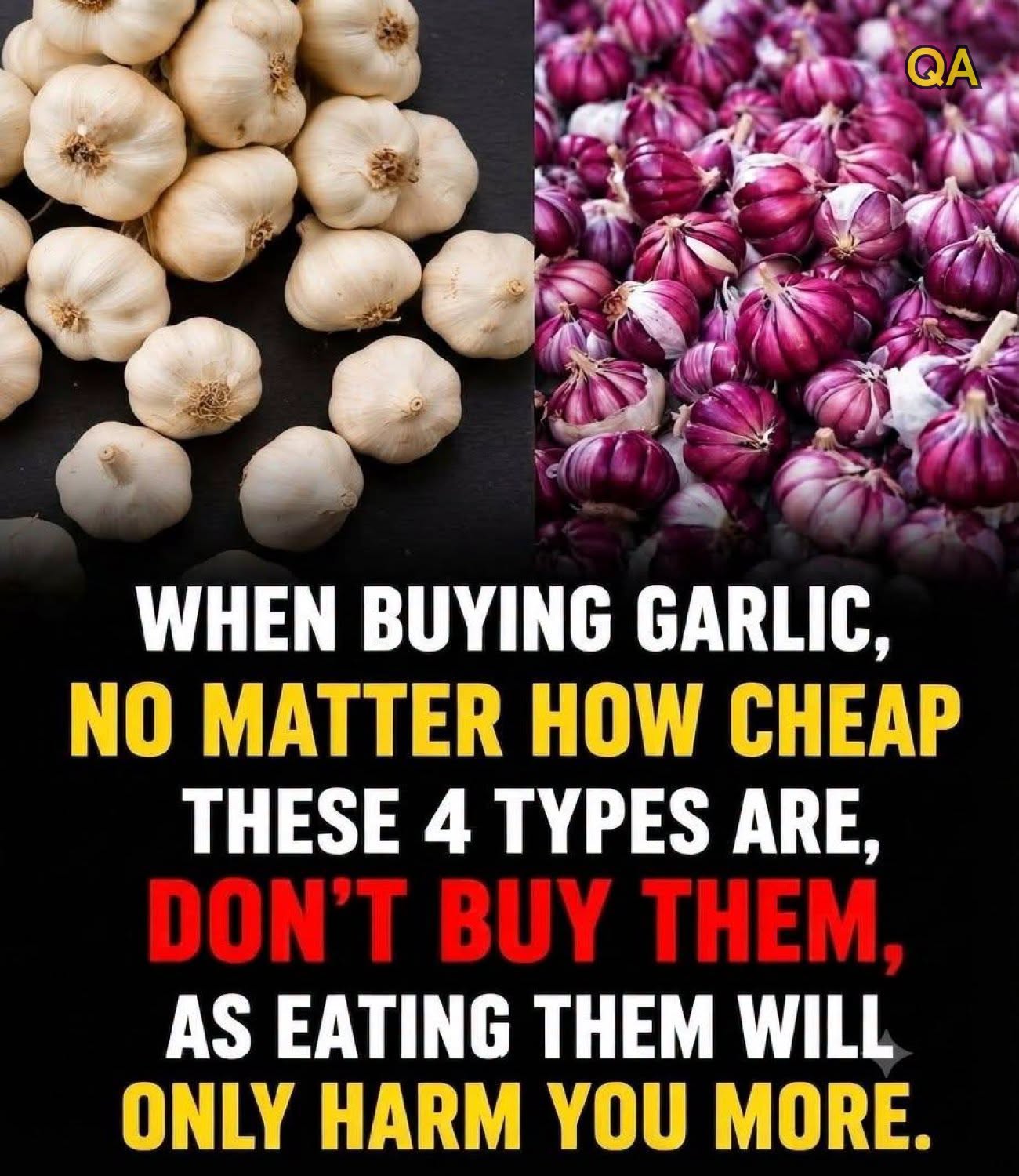
Social media and viral posts often warn against purchasing specific types of garlic, particularly by associating quality with color, price, or country of origin. These simplistic methods can often be misleading. According to food safety experts from reputable organizations like the United States Department of Agriculture (USDA) and the Food and Agriculture Organization (FAO), these factors alone rarely indicate whether garlic is safe or healthy to consume.
For example, differences in garlic color can simply result from the particular variety of garlic or the soil in which it grew, not its safety or quality. Similarly, variations in price are often driven by supply, demand, and market dynamics, not necessarily by quality or origin. Misconceptions can even lead to unintentional waste, as consumers discard perfectly good garlic based on inaccurate information.
What Truly Determines Garlic Quality?
The key indicators of garlic quality are straightforward and are recognized by experts and culinary professionals alike. They include:
- Freshness: The garlic should feel firm when gently squeezed. Soft, mushy, or spongy bulbs often indicate internal breakdown or spoilage.
- Appearance: The outer papery skin should be intact, dry, and free from cracks or excessive moisture. Bulbs should show no discoloration apart from natural varietal flourish.
- Smell: Fresh garlic has a pungent, mildly spicy aroma. A strong, sulfuric, or sour odor may signal decay or bacterial growth.
- Absence of Mold: Always check for green, blue, black, or fuzzy areas on the bulb’s surface or between cloves. Mold can spread quickly and may not always be visible externally.
- Dryness: Moisture is an enemy of shelf-stable garlic. Bulbs exhibiting wet or slimy textures are likely harboring spoilage.
Focusing on these physical characteristics is recommended by experts at the Mayo Clinic and the U.S. Food and Drug Administration (FDA) over less relevant cues like country of origin or price.
How to Identify Spoiled Garlic
Detecting spoilage in garlic is crucial to avoid consuming a product that may have lost flavor, texture, or in rare cases, could harbor harmful molds or bacteria. Below are the main warning signs:
