
Garlic: How to Identify Quality, Detect Spoilage, and Avoid Common Myths

Mold often appears as green, blue, black, or fuzzy growth on the cloves, sometimes beneath the papery skin. Because garlic cloves are packed tightly together, a small mold patch on the surface can indicate that unseen portions inside the bulb are affected as well. Inhaling mold spores can also be harmful, especially for individuals with respiratory sensitivities.
Fresh garlic bulbs are firm and tightly packed. When a garlic bulb feels soft, mushy, wet, or slimy, it’s a sign that rot or bacterial degradation is occurring. These textural changes commonly result from excess moisture during storage, or from microbial activity breaking down the cloves’ structure.
Dark, sunken spots or unusual discoloration on the surface of cloves are common markers of spoilage. Such changes may signal rot below the surface or the presence of harmful microorganisms.
Healthy garlic gives off a fresh, sharp smell. When the odor is intense, sour, musty, or generally unpleasant, it signals the breakdown of the natural sulfur compounds due to bacterial or fungal growth. Garlic with such an odor should be discarded.
Another widespread concern involves garlic bulbs that have begun to sprout, typically identified by a green shoot rising from the clove’s core. While sprouted garlic can taste more bitter and carry a sharper edge, food safety authorities generally agree it is still safe to consume if the cloves remain firm and dry. Removing the green shoot before cooking can help reduce bitterness.
Some sources even suggest sprouted garlic has higher concentrations of certain antioxidants. Nevertheless, excessively sprouted or aging garlic may become dry, shriveled, or fibrous, diminishing its culinary appeal. As long as the bulb is otherwise fresh, sprouted garlic poses no health risk.
There are several persistent myths about garlic that may lead consumers astray. Here we separate proven facts from fiction:
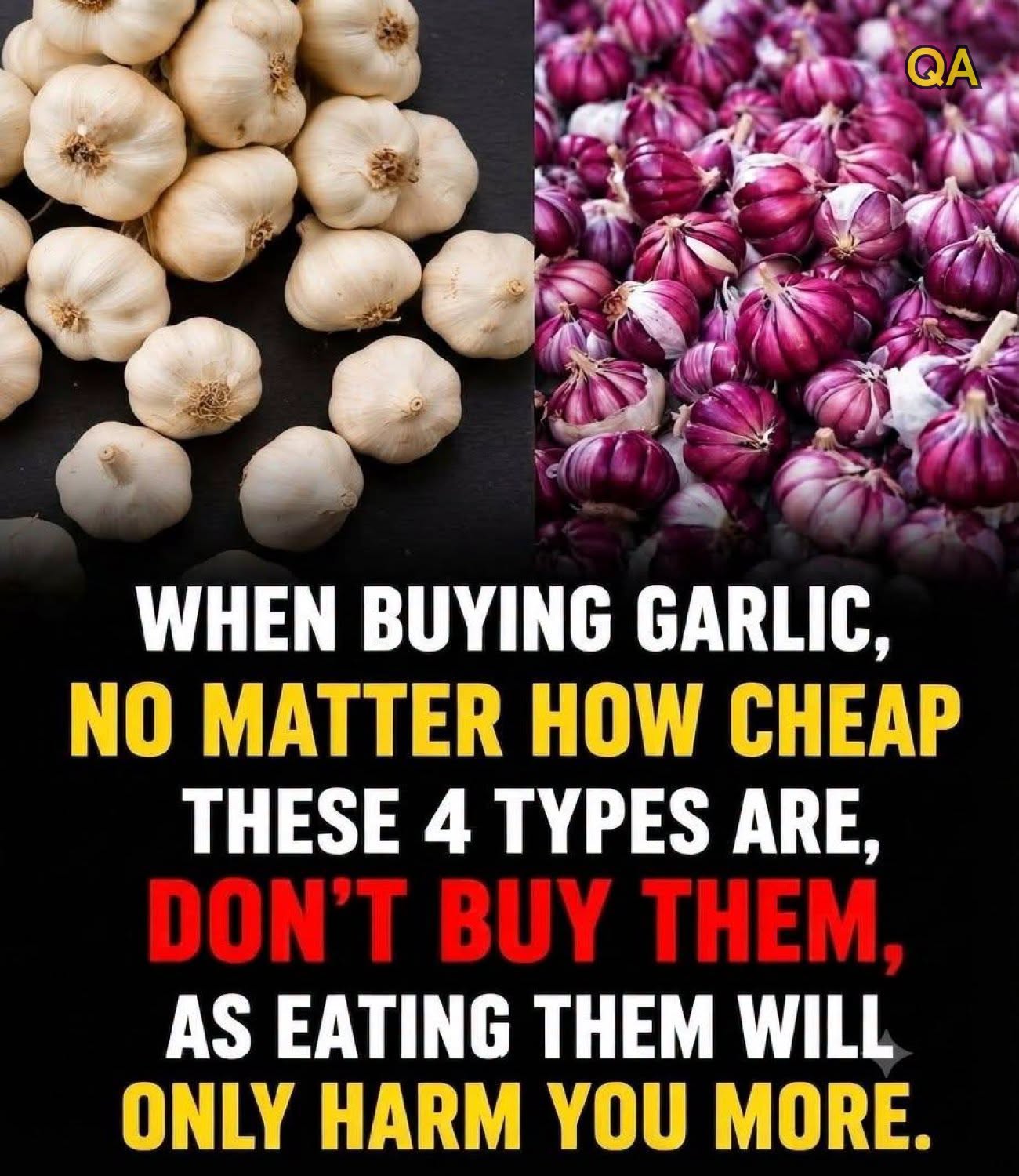
Fact: Purple streaks or coloration are typical of certain heirloom or hardneck varieties and are harmless.
Fact: The safety of garlic depends on how it was handled during growth, harvest, and storage — not its country of origin.
Fact: Price differences are often due to market conditions, not inherent product quality.
Fact: Sprouted garlic may be more bitter but is not toxic as long as the cloves are otherwise fresh.
Reliable organizations like the USDA, CDC, and the European Food Safety Authority (EFSA) emphasize evaluating each bulb based on physical signs of freshness rather than relying on rumors or viral misinformation.
