

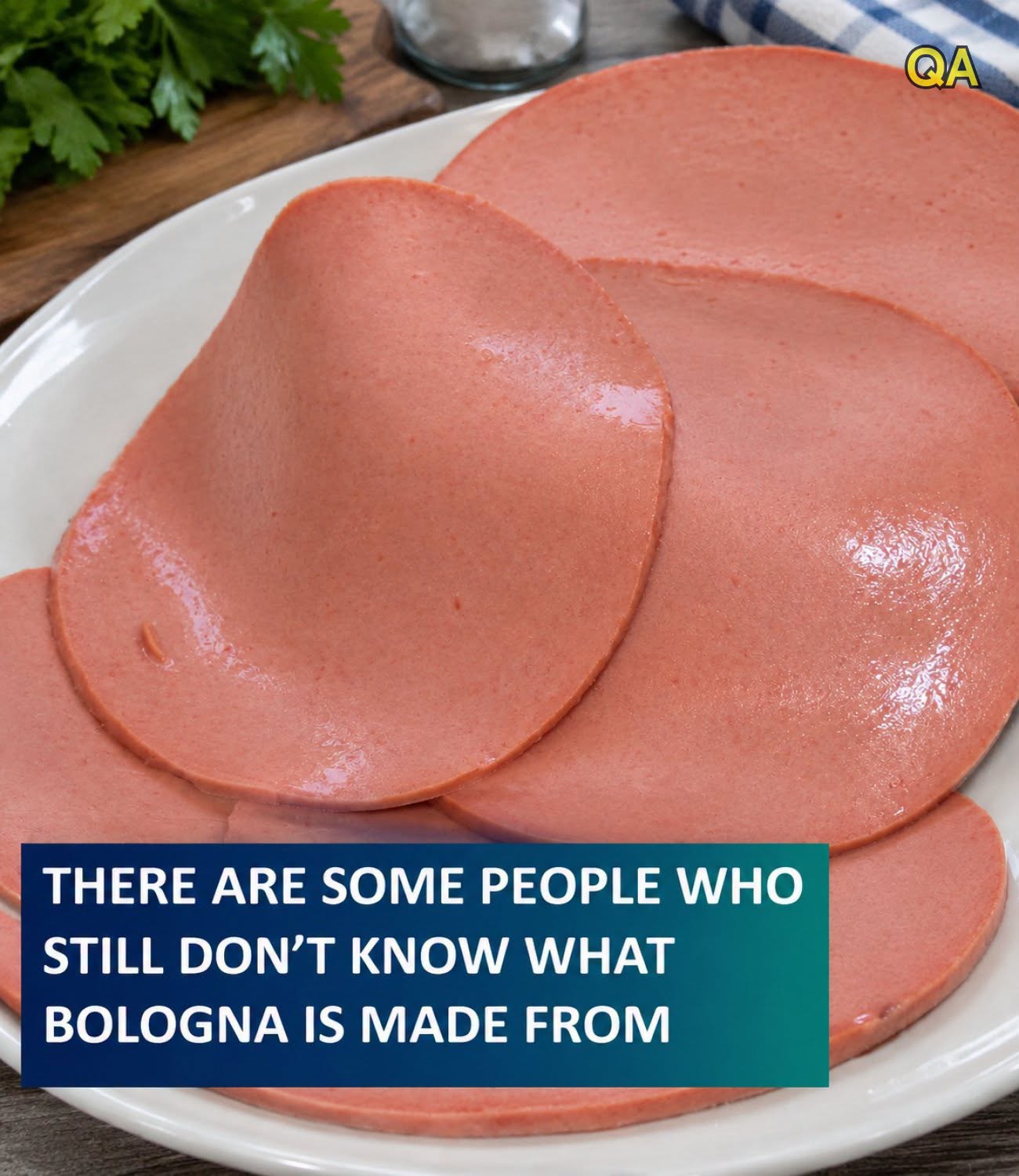
Introduction: The Mystery of the Pink Slice
Bologna, often recognized as a staple in American lunchboxes, has long been the subject of jokes about “mystery meat.” Despite its widespread consumption and ubiquity in supermarkets, delis, and school cafeterias, few pause to consider its true origins and composition. This article provides an in-depth, factual exploration of bologna, covering its history, manufacturing process, health considerations, and enduring cultural presence.
The Origins of Bologna: From Italy to America
The word “bologna” is an anglicized form of “Mortadella Bologna,” a traditional Italian cold cut that originated in the city of Bologna, Italy. The original mortadella, which dates back to Roman times, was crafted from finely ground pork, rich in fat, and flavored with signature spices and whole black peppercorns. Mortadella’s method involved meticulous blending, curing, and steaming, resulting in a delicately flavored product.
When Italian immigrants brought this sausage to the United States in the late 19th and early 20th centuries, its recipe underwent considerable adaptation. American bologna, designed to be inexpensive, mild, and mass-producible, emerged as a distinct product. This Americanized version dropped the peppercorns and distinguished spices, and streamlined the production for wide distribution.
What Exactly Is in Bologna?
One of the key features that have led to bologna’s reputation as “mystery meat” is its ingredient list. In the U.S., the Food and Drug Administration (FDA) and the United States Department of Agriculture (USDA) regulate what goes into bologna. Generally, commercially available bologna is made from a blend of finely ground pork, beef, chicken, or turkey, with various fat portions. The mixture may also include trimmings—usable leftover bits from other cuts—that are emulsified to a paste-like consistency.
In addition to meat, bologna contains curing agents such as sodium nitrite (which helps prevent bacterial growth and provides the characteristic pink color), salt, sugar, water, and a variety of spices, which could include coriander, nutmeg, allspice, or celery seed. Some versions may also include flavorings, starches, and binders. This combination is encased, cooked, and cooled, yielding the familiar smooth, uniform slices.
The Manufacturing Process: How Bologna Is Made
Modern bologna production utilizes highly automated systems to ensure homogenization and safety. The meat and fat are first ground and blended with curing agents, seasonings, and if needed, fillers. This emulsion is loaded into large casings, often synthetic or natural, and then slowly cooked or smoked.
Throughout these steps, strict hygiene protocols are observed to prevent contamination. Regular inspection and quality control tests are run to monitor microbial levels, moisture content, and ingredient ratios. The USDA mandates clear labeling, so products described as “beef bologna” must meet specific standards, while bologna simply labeled “bologna” can be made with a mix of allowed meats.
