

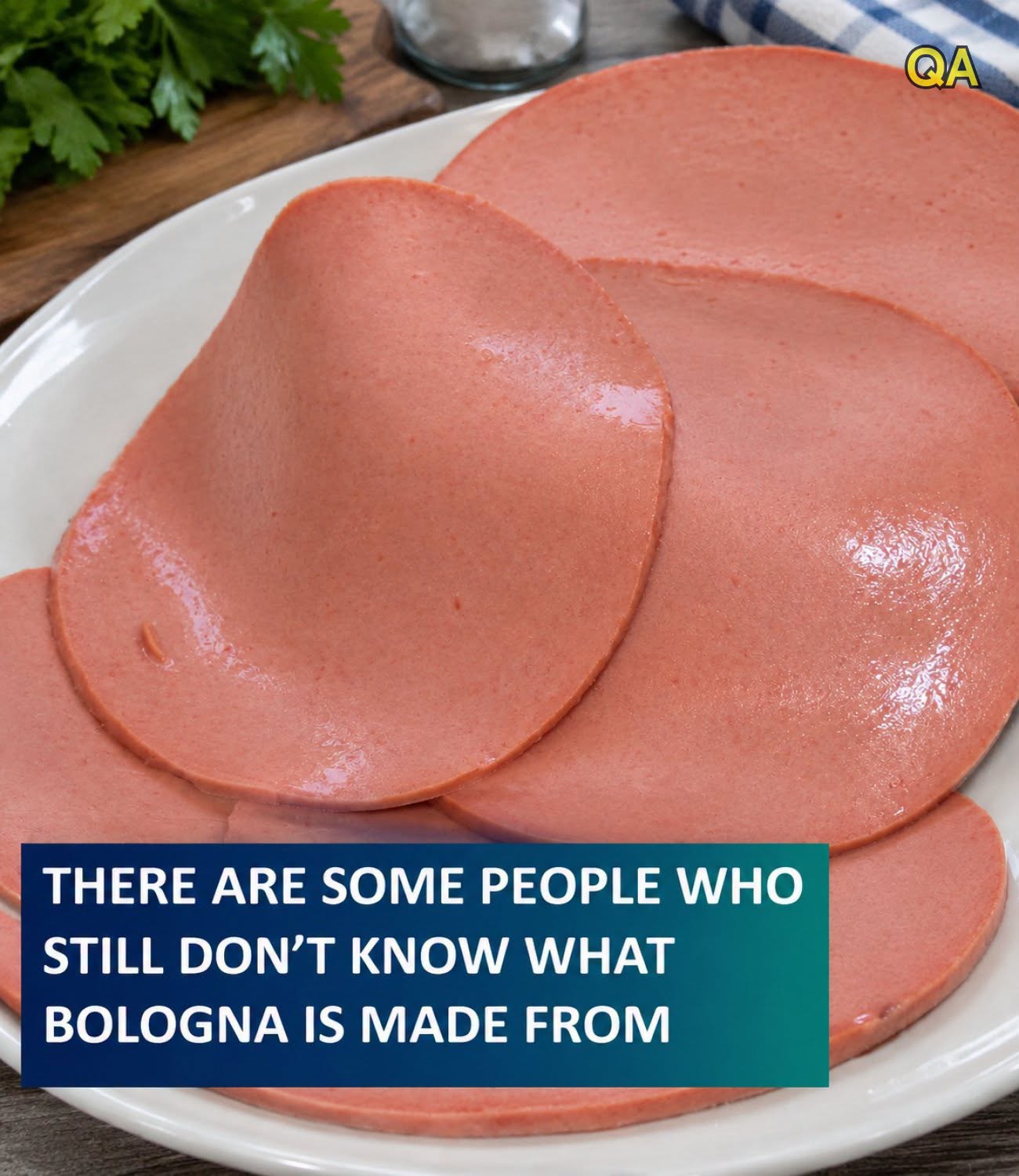
Culinary professionals and food writers occasionally spotlight “artisanal” or “retro” versions of bologna, using higher-quality meats and fewer additives. This movement reflects growing consumer interest in transparency and clean labeling. However, the dominant bologna in supermarkets largely retains its classic, mass-produced formula.
International Variants and Perceptions
The term “bologna” means different things in different countries. In Italy, “mortadella” maintains its premium, protected status—the term is geographically labeled and strictly regulated. In Germany, “mortadella” and “Lyoner” are staple deli meats, often enjoyed with bread or cheese. In the United Kingdom, a similar product, “polony,” is popular in some regions.
Outside the U.S., bologna is less likely to be a staple of school lunches, but it is recognized globally as a member of the emulsified sausage family. Differences in national food regulations—concerning allowable meats, additives, and labeling—set products apart and reflect broader cultural approaches to processed foods.
Why We Feed It to Kids: Economics and Conditioning
Bologna remains a fixture in children’s diets for several reasons. Its neutral flavor, soft texture, and low price make it an easy option for busy families and institutional meal providers. Processed meat’s longevity reduces food waste and increases convenience. In many ways, giving bologna to children is an extension of industrial food trends that accelerated during the 20th century.
