
Bologna is a Lie We Feed Our Kids

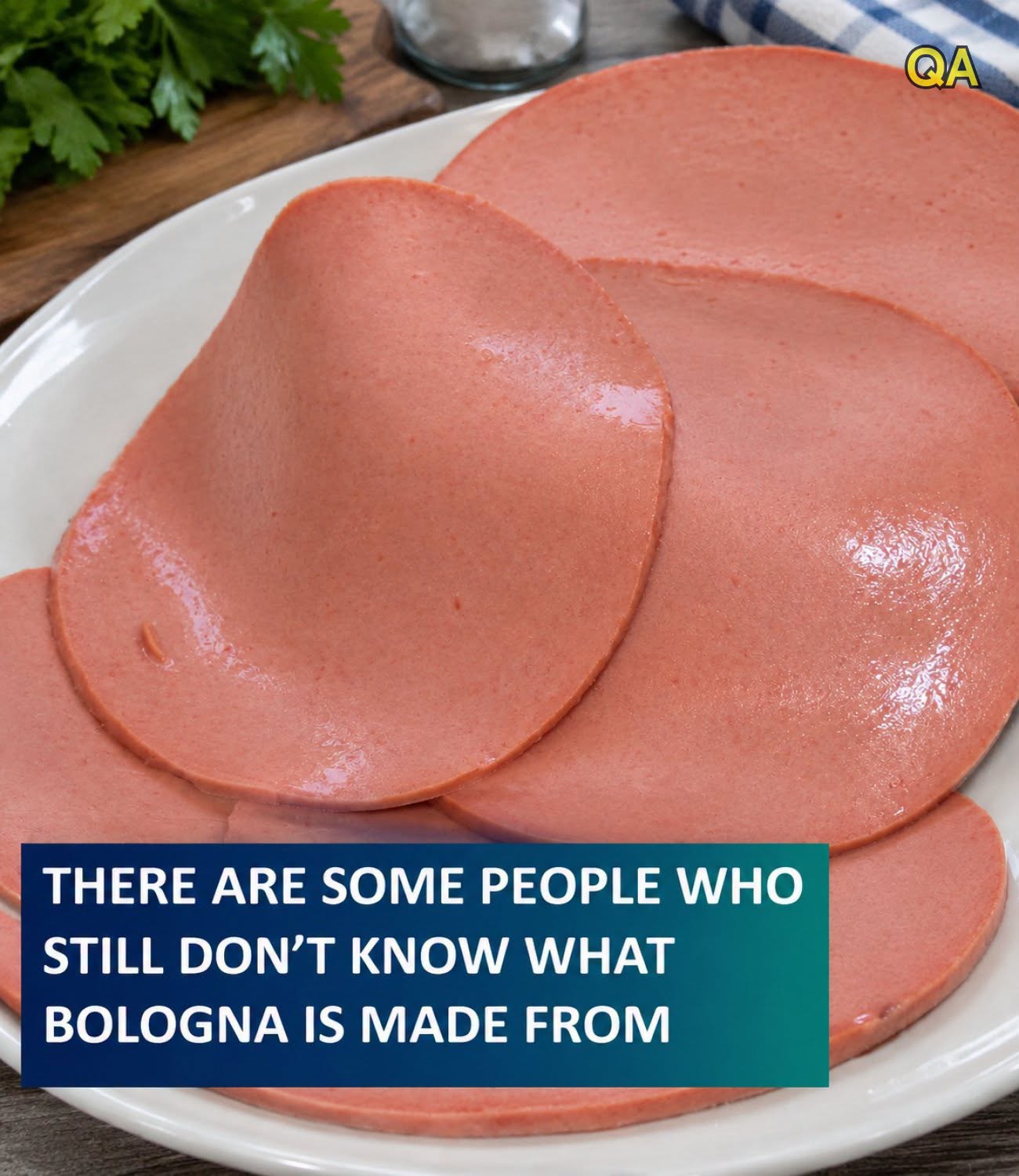
Bologna is calorie-dense, with a 2-ounce serving typically providing around 150-180 calories, 5-7 grams of protein, and 13-15 grams of fat, a significant portion of which is saturated fat. It is also high in sodium, with a single serving often exceeding 15% of the recommended daily intake. Bologna’s nutrition profile fits the pattern of other processed meats: high in protein but also relatively high in added ingredients that can challenge heart and metabolic health if consumed in excess.
Large-scale epidemiological research, such as meta-analyses published by the World Health Organization (WHO), links frequent consumption of processed meats—including bologna—with an elevated risk of certain health issues, especially colorectal cancer and cardiovascular disease. The risks are primarily attributed to the preservatives (notably nitrites) and high fat/sodium content. However, experts like the Centers for Disease Control and Prevention (CDC) stress moderation rather than total avoidance for most people.
Over decades, bologna has become synonymous with convenience and affordability in the United States. It has been featured in countless school lunches, picnic baskets, and “working man’s” sandwiches, often accompanied by white bread and American cheese. For many, bologna conjures nostalgia—a reminder of packed lunches and simple family meals.
At the same time, bologna is emblematic of processed food culture and has received criticism for prioritizing cost and shelf life over nutrition and taste. Its association with lower income and accessibility has made it a focal point in conversations about food deserts and nutrition inequality. Despite this, its market persists: U.S. retail sales of bologna totaled hundreds of millions of dollars annually according to industry data.
