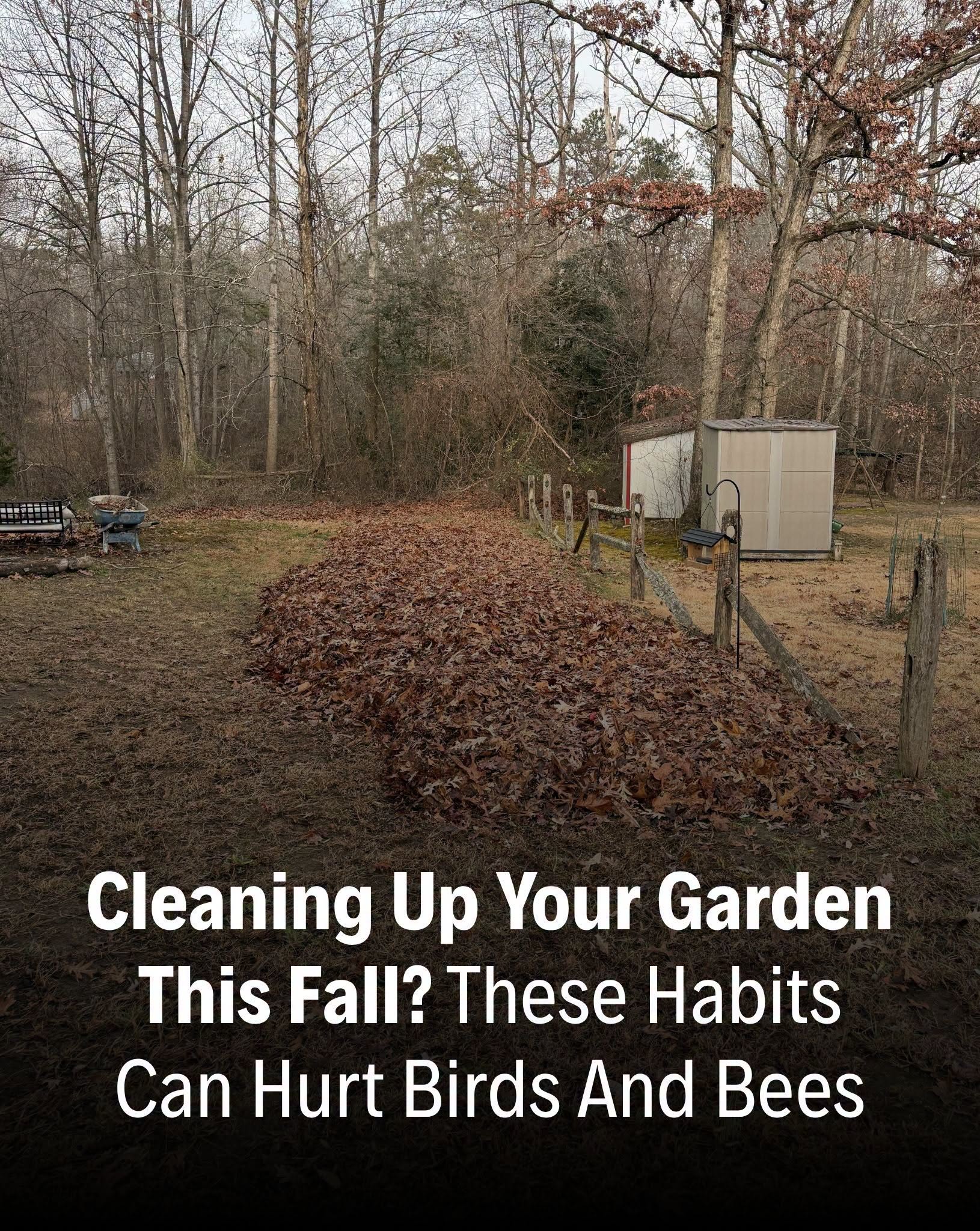
Some gardeners treat October like a final exam for bugs, spraying everything before winter. Unfortunately, pests are not the only insects affected.
Some bumblebee queens are still searching for safe winter spots in fall. Spraying late flowers like asters or goldenrod can harm a queen and her future colony.
In early fall, monarch butterflies pass through many yards on their long trip to Mexico. They stop to sip nectar, and treated blooms can expose these travelers to harmful residues.
Birds face a sneaky problem, too. When they eat insects carrying certain chemicals, residues can build up in their small bodies over time.
Fall spraying usually makes little sense anyway, since many garden pests are already slowing down for the season. Cold weather handles a large share of the work for free.
Instead, write down which pests bothered you this year and research gentle fixes for next spring. Handpicking, strong water sprays, and row covers work well for many problems.
Grub treatments on lawns deserve a second look as well. Some can affect bees that visit flowering lawn weeds like clover, so skip them wherever blooms are present.
If a spray feels necessary, pick a targeted product, avoid blooming plants, and apply it at dusk. Bees are tucked away by then, which lowers the risk.
Healthy gardens find their own balance when helpful insects stick around. Ladybugs, lacewings, and parasitic wasps keep aphids and caterpillars in check at no cost.
Put the sprayer on a high shelf until spring, and let nature run the cleanup crew. Your local bees and birds will benefit from the break.
5. Tilling Garden Soil In Fall
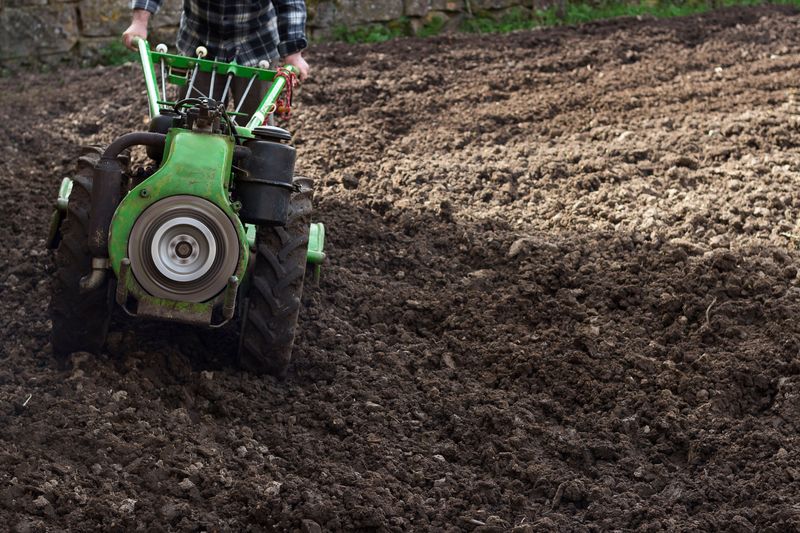
Grandpa used to turn his whole vegetable patch over every October, leaving it smooth as a brownie. It looked lovely, but he had no idea who lived under that dirt.
Around seventy percent of native bee species nest in the ground, not in hives. Many of them dig small tunnels in sunny, bare patches of soil.
Tilling in fall can disrupt those tunnels and the young bees resting inside. Squash bees, which pollinate pumpkins and zucchini, are especially at risk.
Beetle larvae, moth pupae, and earthworms also live in the top layers of soil. Robins and blackbirds rely on those critters as a steady food source.
Skipping the fall tilling saves you time, money on fuel, and sore muscles. It also protects soil from washing away during heavy autumn rains and winter snowmelt.
Where your climate allows, sow winter rye in empty vegetable beds a few weeks before the first hard frost, and save clover for spring. The roots hold soil together while the leaves shelter insects from cold winds.
Another easy option is leaving a few sunny, bare spots near the garden edge. Ground-nesting bees love those quiet patches and may reward you with better pollination.
If you spot tiny holes with small dirt mounds next spring, pause before filling them in. Those holes may be bee doorways, though ants and wasps make similar ones.
In spring, one chickadee family needs thousands of caterpillars to grow strong. A garden fork works better than a big tiller and disturbs far fewer creatures.
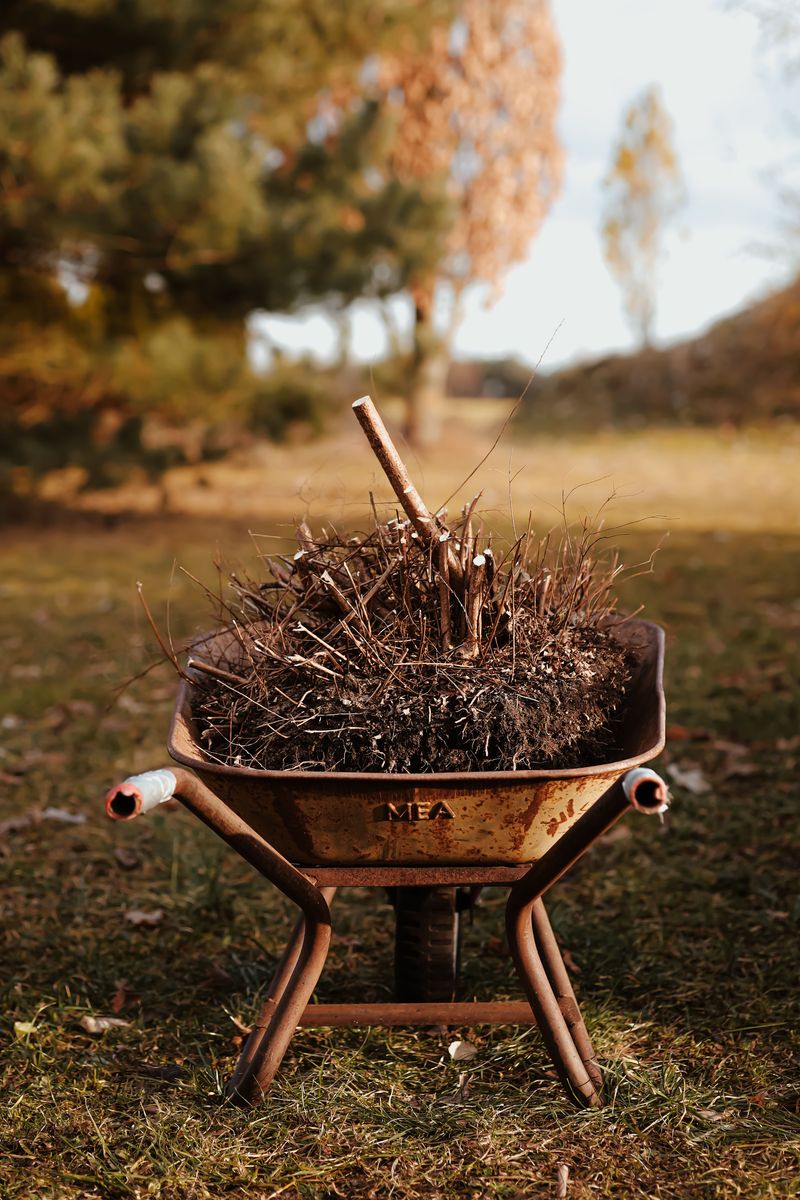
6. Tossing Out The Brush Pile