Many moths and butterflies spend the whole winter tucked inside fallen leaves, not flying south. Some hide as eggs, some as caterpillars, and some as cocoons wrapped in a crispy leaf.
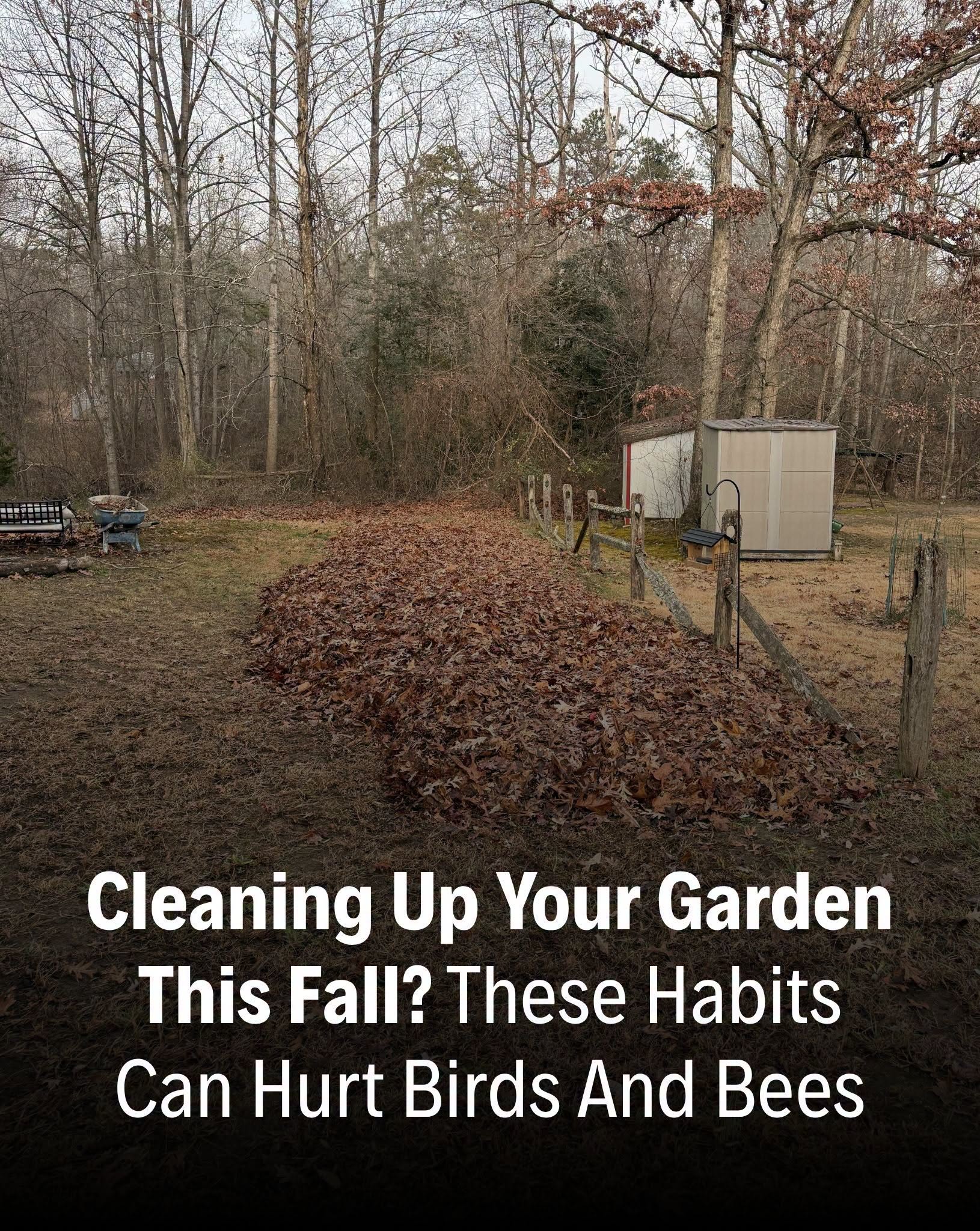
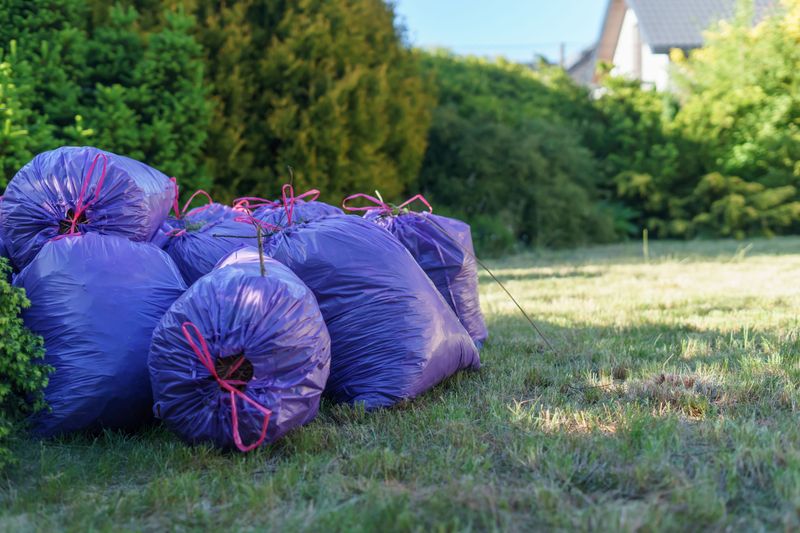
When we rake every leaf into a bag, those sleeping bugs ride off to the landfill. Fireflies, luna moths, and other moths can lose their winter beds this way.
Birds feel the loss as well, especially ground feeders. Robins, thrushes, and towhees scratch through leaf litter looking for beetles, worms, and spiders to eat.
In spring, baby birds need thousands of caterpillars to grow strong. Many of those insects spend winter in the same leaves we hurried to remove in October.
You do not have to let your lawn turn into a brown blanket, though. Rake leaves off the grass and spread them under shrubs and around flower beds.
A loose layer about two inches deep works nicely, with bare sunny patches left for bees. Remove diseased leaves, such as those with blight or black spot.
A leaf layer also keeps soil moist, blocks weeds, and breaks down into free plant food over time.
Skip the leaf blower on high power and avoid shredding the pile with a mower. Whole leaves give bugs better hiding spots than chopped bits do.
If you have extra leaves, make a simple pile in a quiet corner. Toads and salamanders may move in, too, which is pretty exciting for curious kids.
Your back will appreciate raking less this fall. Local wildlife will repay you with spring songs, fluttering wings, and glowing summer fireflies.
3. Bagging Up Hollow Stems For The Trash
Tiny apartment buildings may be standing in your garden right now, and they are made of plant stems. Hollow and pithy stems from raspberries, bee balm, and elderberry house small native bees.
Mason bees, small carpenter bees, and leafcutter bees lay eggs inside these stems. The young bees rest there all winter and chew their way out when spring arrives.
Unlike honeybees, most of these bees live alone and rarely sting. They are gentle helpers that pollinate fruit trees, berries, and wildflowers.
Cutting and bagging those stems removes the whole nursery with the yard waste. Some gardeners do not realize the stems were occupied until fewer bees show up later.
A smarter move is to wait until spring to trim. Even then, cut stems to different heights between eight and twenty-four inches.
Those leftover stubs become fresh nesting spots for the next round of bees. Within a year, new eggs fill the tubes, and the cycle keeps rolling.
If you must clear a bed this fall, bundle the cut stems with twine. Lean the bundle against a fence or tuck it into a quiet corner.
That tiny trick keeps residents safe while making your garden look a little neater. Some folks even hang bundles from tree branches like rustic decorations.
Kids love checking the stem ends in spring for little mud plugs or leaf caps. Each plug usually means a baby bee was tucked safely inside all winter.
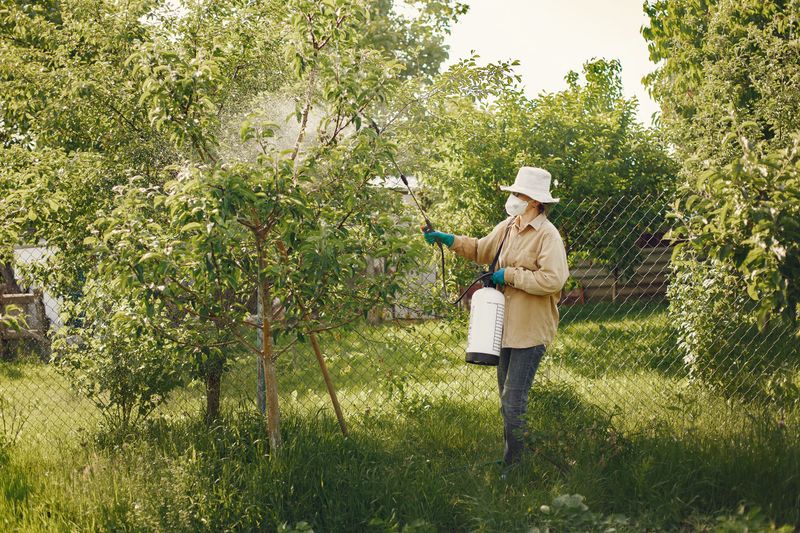
4. Spraying Pesticides On The Way Out