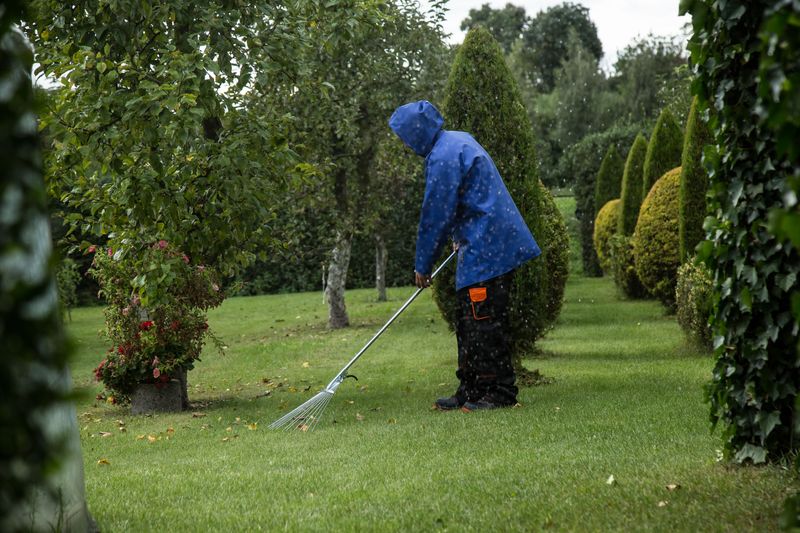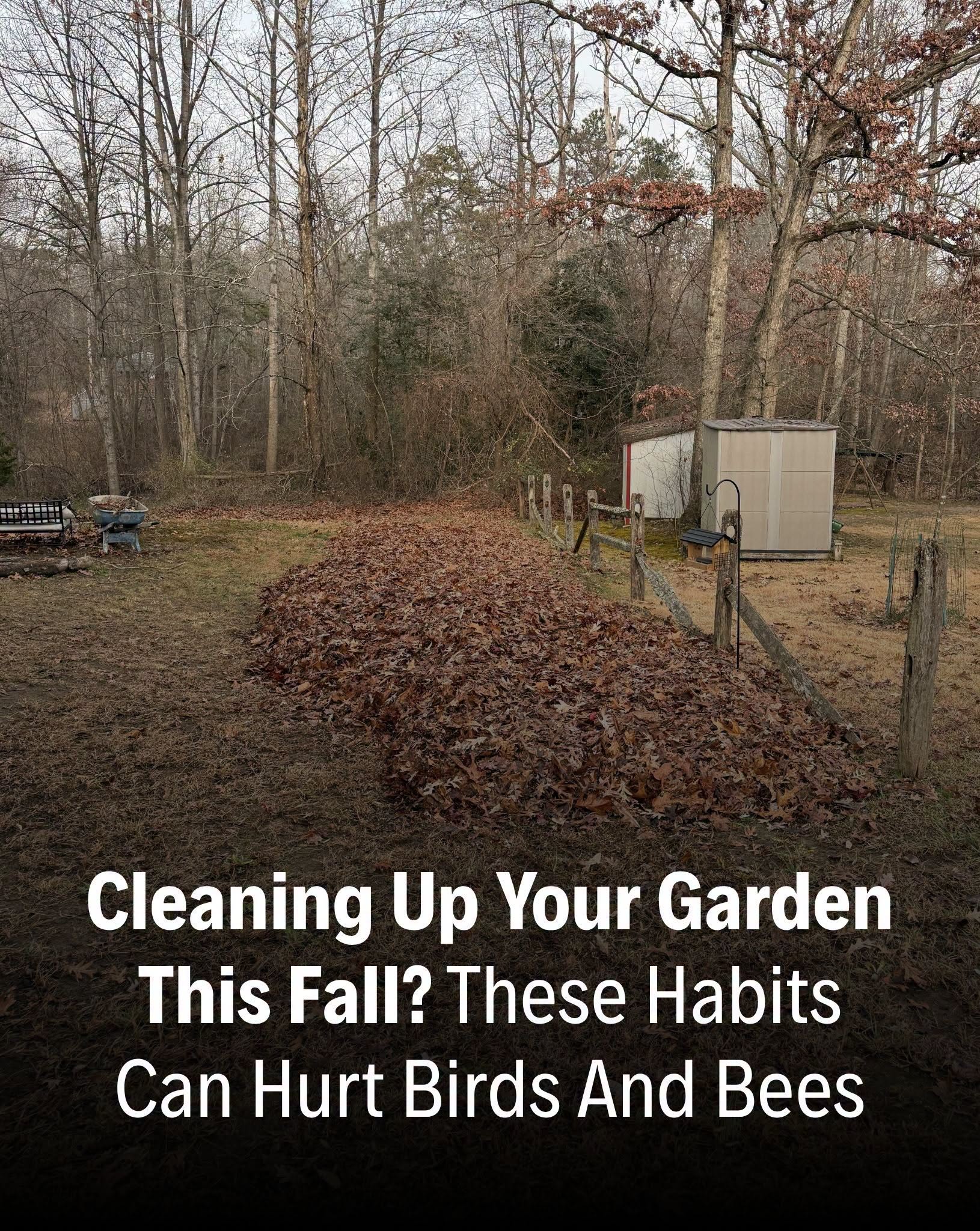
You are about to wake sleeping queen bumblebee!!s with a sweep of your rake. Leaf litter shelters them until spring, and you hold the bag open.
Tidy a hollow stem and you expose bee larvae to the frost. Butterfly chrysalises cling to dried stalks you plan to haul away.
Juncos and sparrows gather seed heads for winter fuel, so you decide their menu. Ladybugs, beetles, and toads burrow under debris you call clutter.
Layer fallen leaves onto beds, and you feed soil while sheltering tenants. Wait until warm days return, and you can trim stems without disturbing tenants.
Leave stems standing at knee height, and you give nesting bees apartments. Pile branches in a corner, and you build a shelter for wrens.
Neighbors may glance, but pollinators may thank you later. Know which trims protect tenants before you lift clippers.
1. Cutting Back Too Many Spent Flower Stalks
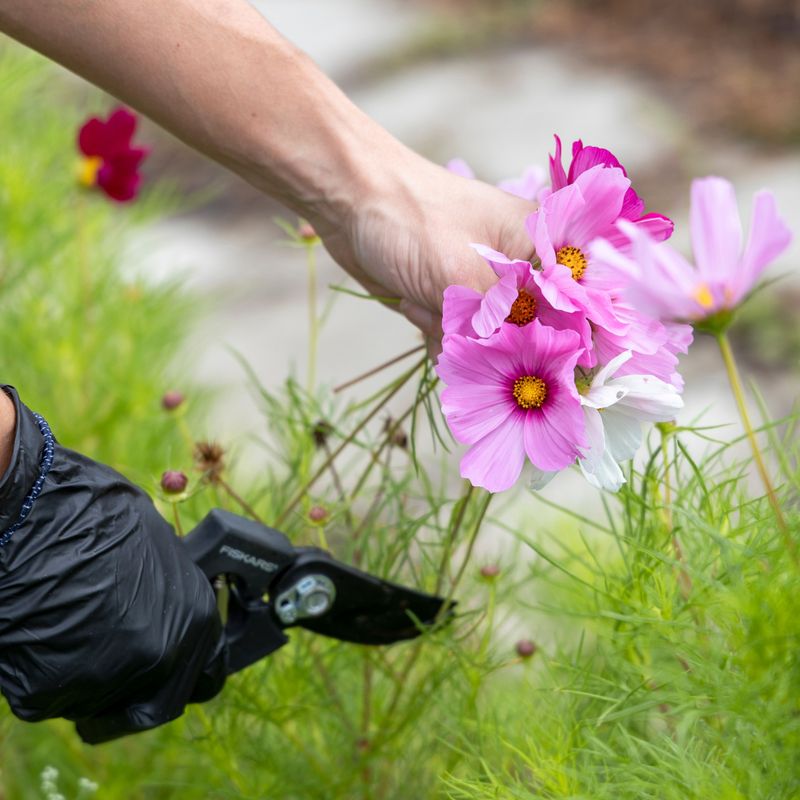
Picture a goldfinch hanging upside down on a coneflower, plucking seeds like popcorn at a movie. Snip that stalk in October, and the show ends before the bird finishes its snack.
Spent flowers may look scraggly to us, but they work like bird feeders that refill themselves. Coneflowers, black-eyed Susans, and sunflowers hold seeds well into the cold months.
Chickadees, juncos, and sparrows visit those seed heads when bugs grow scarce. Each seed gives them a burst of energy to stay warm through long, frosty nights.
Bees benefit too, even though they are not eating seeds. Some native bees tuck themselves inside or near old stalks, waiting quietly for spring warmth to return.
So what should you do instead? Leave most flower stalks standing until spring, when new green growth starts poking up from the soil.
If your neighbors worry about a messy look, trim only the stalks near sidewalks or the front door. Keep the wilder patches in the backyard or along fences.
Snowy seed heads can look beautiful in winter photos, too. Frost sparkles on them like sugar, and the birds add color and movement to a gray day.
A small sign that says Wildlife Garden can help curious neighbors understand your choice. Many people smile once they spot a cardinal perched on a swaying stalk.
Think of it as setting a table you do not have to wash later. Your garden keeps serving meals while you sip cocoa by the window.
2. Raking Away Every Last Leaf