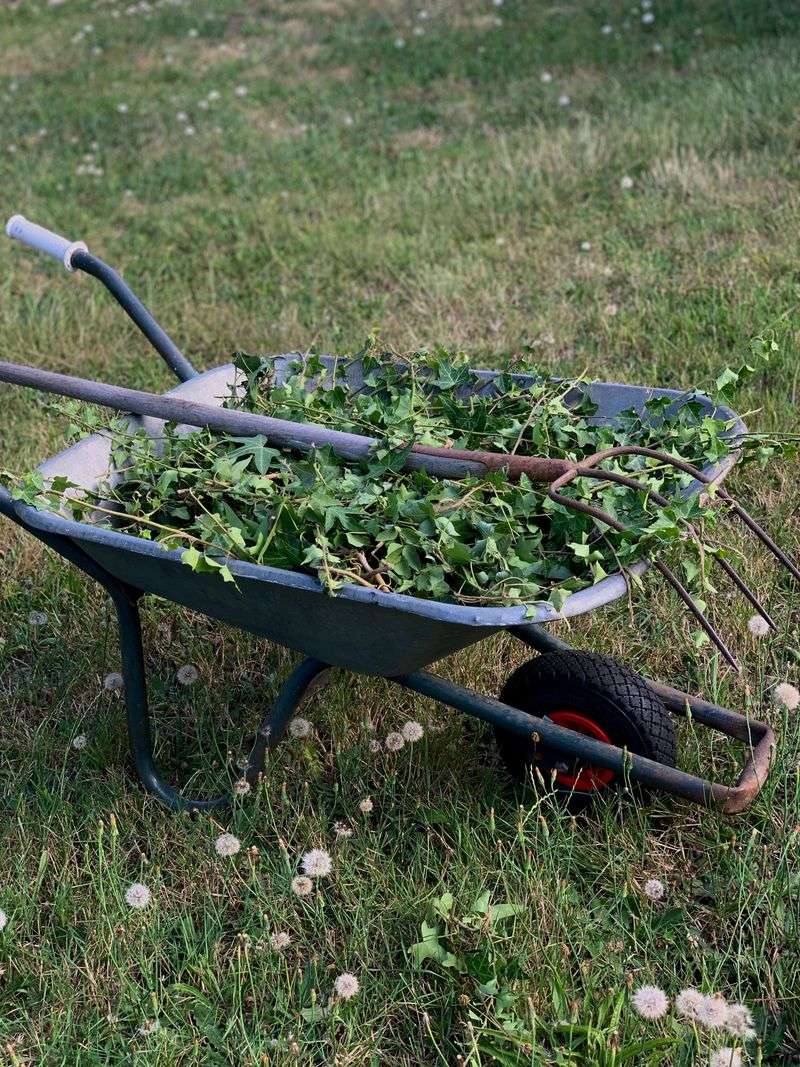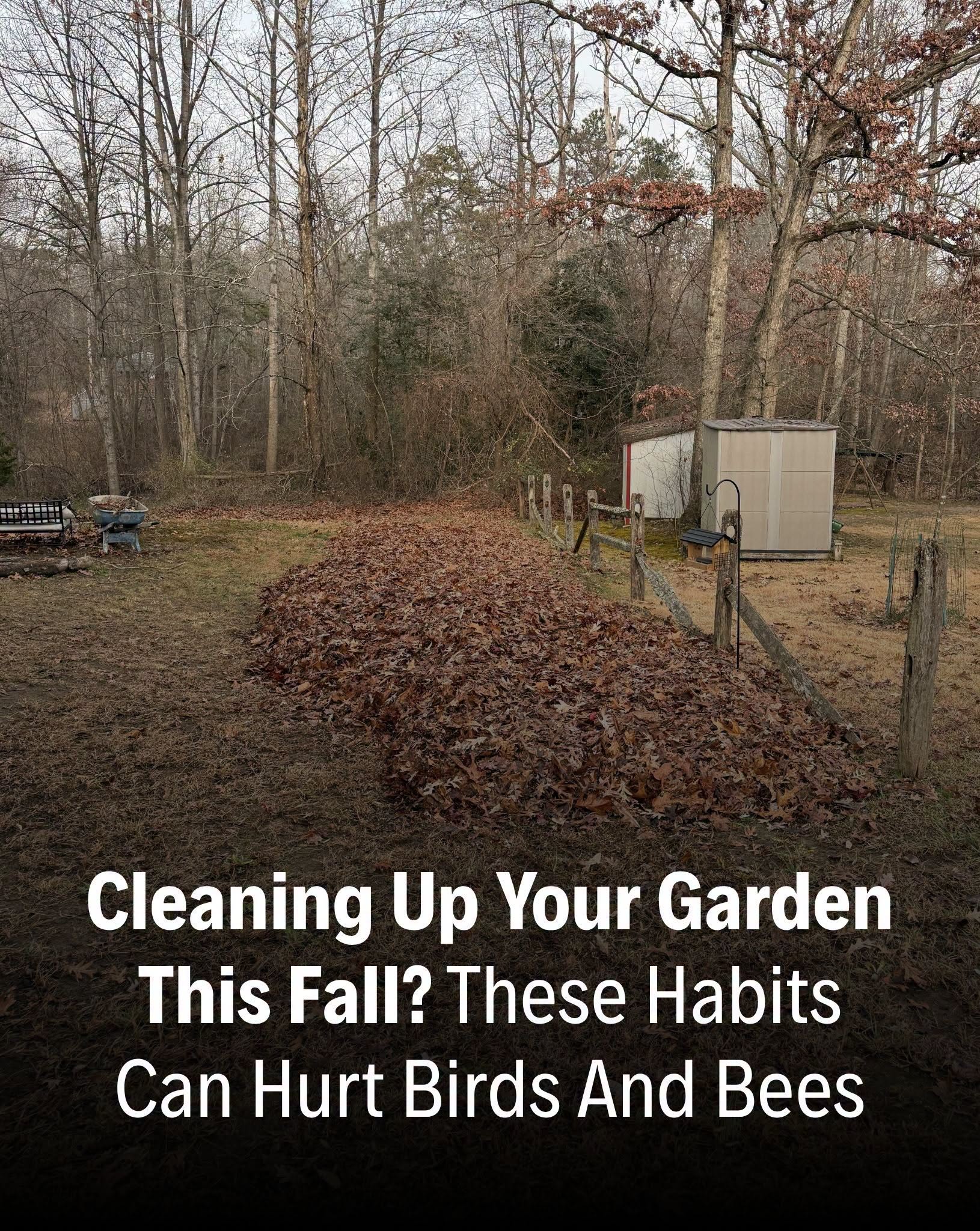
What looks like a jumble of sticks to you looks like a luxury lodge to a wren. Brush piles offer shelter from wind, snow, and hungry hawks circling overhead.
Small birds like sparrows, juncos, and cardinals duck into brush when danger shows up. They also hide there on bitter nights to stay out of icy gusts.
Pollinators use the pile, too. Some butterflies, such as mourning cloaks and question marks, spend winter as adults wedged into cracks in wood.
Hauling branches to the curb removes many of those hiding spots at once. The yard may look tidy, but the wildlife is left out in the cold.
Building a good brush pile is easier than you might think. Start with thick logs on the bottom, then stack medium branches crosswise on top.
Finish with smaller twigs and a few evergreen boughs if you have them. That mix creates big gaps below and a cozy roof above.
Pick a spot away from your house, shed, or fence, and check local fire rules first. A corner near shrubs or trees gives birds a quick escape route.
Over time, the wood slowly breaks down and feeds the soil underneath. Beetles, fungi, and worms move in, making the pile a busy little neighborhood.
You can add fresh branches every fall after pruning trees and bushes. Watch from a window with binoculars, and you might spot surprising visitors popping out.
Some families even name their brush pile, like a tiny backyard hotel. The Twig Inn has a certain charm, wouldn’t you agree?
7. Pulling Late-Blooming Native Wildflowers