

Like spinach and beet greens, purslane contains oxalates – compounds that can bind with calcium and contribute to kidney stone formation in sensitive individuals.
However, the oxalate levels in purslane are not dangerous when:
- Consumed in moderation
- Combined with calcium-rich foods (cheese, yogurt, tahini)
- Cooked or blanched, which reduces oxalate content
For most people, especially those with a varied diet and no history of kidney stones, purslane is safe and beneficial to eat.
How to Harvest Purslane Safely
Purslane often grows in neglected spaces – so before eating, make sure it’s safe.
Foraging and Harvesting Tips:
- Avoid areas near roadsides or treated with herbicides.
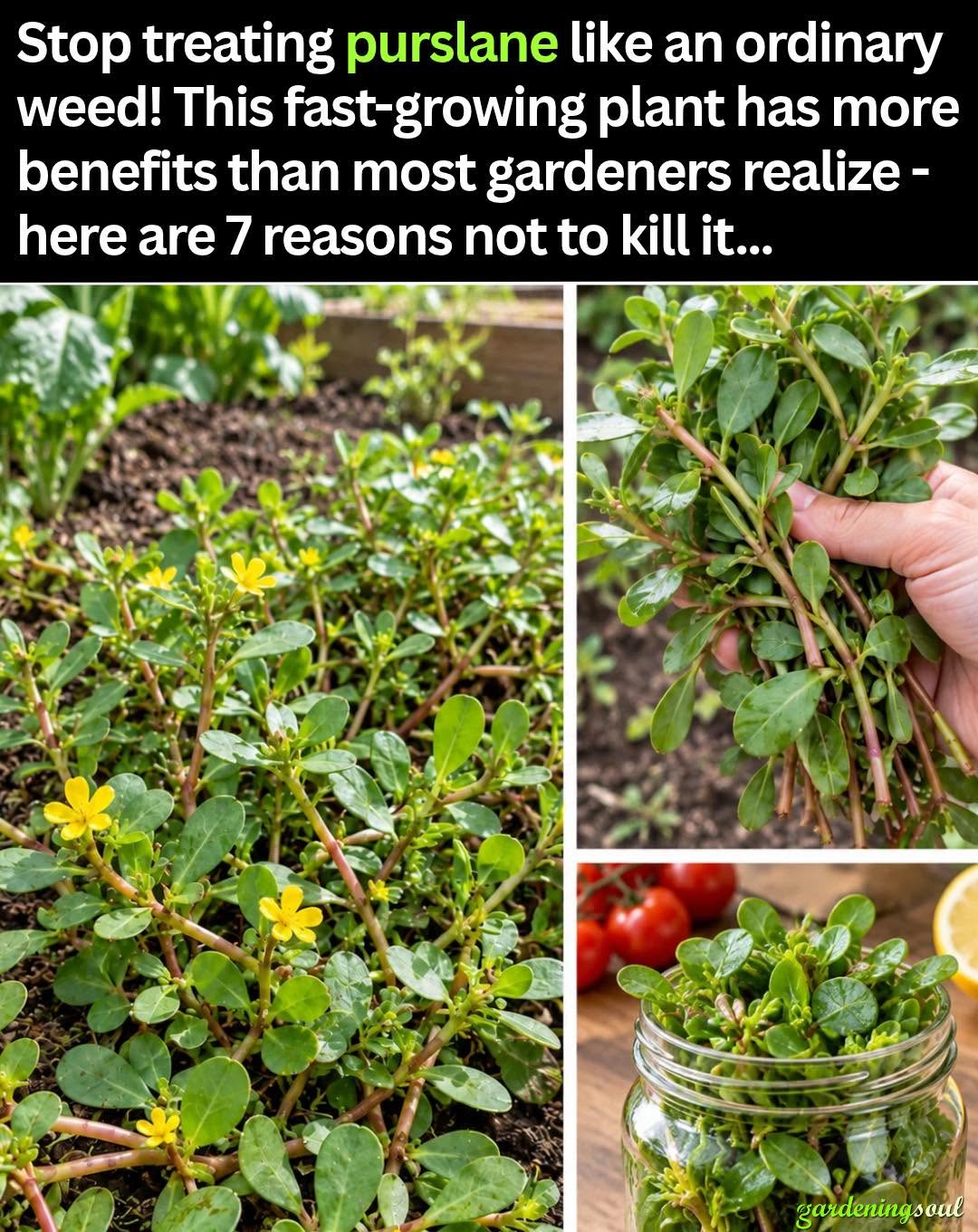
- Look for plump, reddish stems and smooth, paddle-shaped leaves.
- Harvest early in the day for best flavor.
- Rinse thoroughly to remove soil and insects.
Purslane has many lookalikes – do not confuse it with spurge, which is toxic. Spurge has milky sap and grows flatter to the ground with thinner leaves.
How to Grow Your Own Purslane
If you’d rather not forage, you can intentionally grow purslane in containers, beds, or hanging baskets.
Growing Tips:
- Sow seeds in full sun after the last frost.
- Requires minimal watering.
- Grows well in poor, sandy, or gravelly soil.
- Harvest leaves continuously for months.
Purslane can be grown as a microgreen, too – ready to harvest in as little as 10 days.
Bonus: Easy Purslane Recipes
1. Purslane Pesto
Blend purslane leaves with garlic, lemon juice, olive oil, and walnuts for a lemony twist on pesto.
2. Purslane Cucumber Salad
Toss fresh purslane with cucumbers, cherry tomatoes, lemon juice, and feta.
3. Purslane Omelet
Sauté chopped purslane in butter, then pour eggs over and cook until fluffy.
4. Pickled Purslane
Pack cleaned stems in vinegar, garlic, salt, and spices for a tangy probiotic-rich snack.
Purslane may have invaded your garden beds uninvited, but it brings more than enough value to earn a permanent place.
This resilient, nutritious, pollinator-friendly plant thrives where others struggle, offers health benefits few vegetables can match, and asks for nothing in return.
Before you declare war on this humble herb, consider its nutritional, ecological, and sustainable benefits. With a little knowledge and perspective, you may find that purslane is not a weed – but a gift from nature hidden in plain sight.
