

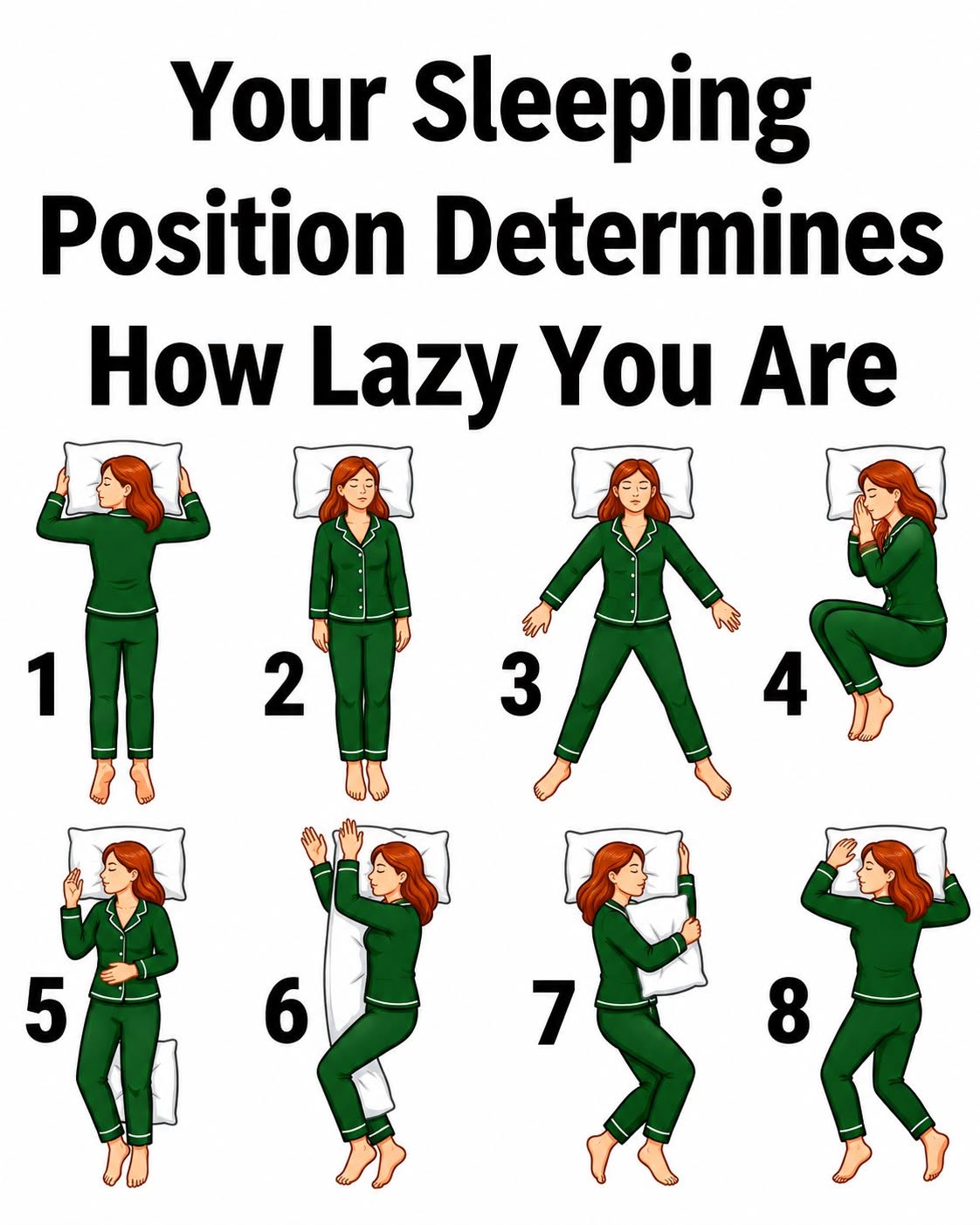
Why People Change Positions During the Night
One important detail often overlooked in sleeping-position charts is that people rarely remain in one posture all night.
The body naturally changes position in response to discomfort and pressure.
During sleep, the nervous system continues to process signals from the muscles, joints, and skin. When a position becomes uncomfortable, movement can help relieve pressure and restore comfort.
This is one reason why waking up in a different position does not necessarily mean something is wrong.
It is also why judging someone's sleeping habits from a single photograph or illustration is unreliable.
A person may fall asleep on their back, roll onto their side, hug a pillow for several hours, and wake up with one leg bent.
All of these positions may be part of an ordinary night.
Rather than trying to force the body to remain in one supposedly perfect posture, it is usually more useful to create a comfortable sleeping environment that allows natural movement.
Chapter 5: How to Find a Sleeping Position That Supports Better Health
The eight positions in the image demonstrate how differently people arrange their bodies during sleep. But which one is best?
There is no single answer that applies to everyone.
The most suitable position depends on factors such as body shape, age, pregnancy, breathing problems, acid reflux, joint conditions, and personal comfort.
Still, several practical guidelines can help people make better choices.
1. Keep the Neck and Spine Comfortable
A pillow should support the head without forcing the neck into an extreme angle.
Side sleepers generally need enough pillow height to fill the space between the shoulder and the head. Back sleepers may prefer a pillow that supports the natural curve of the neck without pushing the head too far forward.
The mattress also matters.
A mattress that is too soft may allow the body to sink excessively, while one that is too firm may create uncomfortable pressure around the shoulders and hips.
The ideal level of support varies between individuals.
2. Pay Attention to Shoulder and Hip Pressure
Side sleeping can place pressure on the shoulder and hip closest to the mattress.
If discomfort develops, changing sides or adjusting the mattress and pillow may help.
Some people find it useful to place a pillow between their knees. This can reduce the tendency for the upper leg to pull the pelvis forward.
People with persistent joint pain should discuss their symptoms with a healthcare professional rather than assuming that changing positions alone will solve the problem.
3. Consider Breathing and Snoring
People who snore heavily may benefit from discussing their symptoms with a medical professional.
Side sleeping can reduce snoring in some individuals, but persistent loud snoring may be associated with obstructive sleep apnea.
Warning signs can include:
- Repeated pauses in breathing noticed by a sleeping partner.
- Waking up suddenly while gasping or choking.
- Morning headaches.
- Excessive daytime sleepiness.
- Difficulty concentrating.
- Feeling tired despite spending enough time in bed.
Sleep apnea is a medical condition that deserves proper assessment. It should not be diagnosed or dismissed based only on sleeping position.
