

Chapter 4: Positions 7–8 — Hugging a Pillow and Sleeping in a Twisted Posture
Position 7: Hugging a Pillow While Sleeping
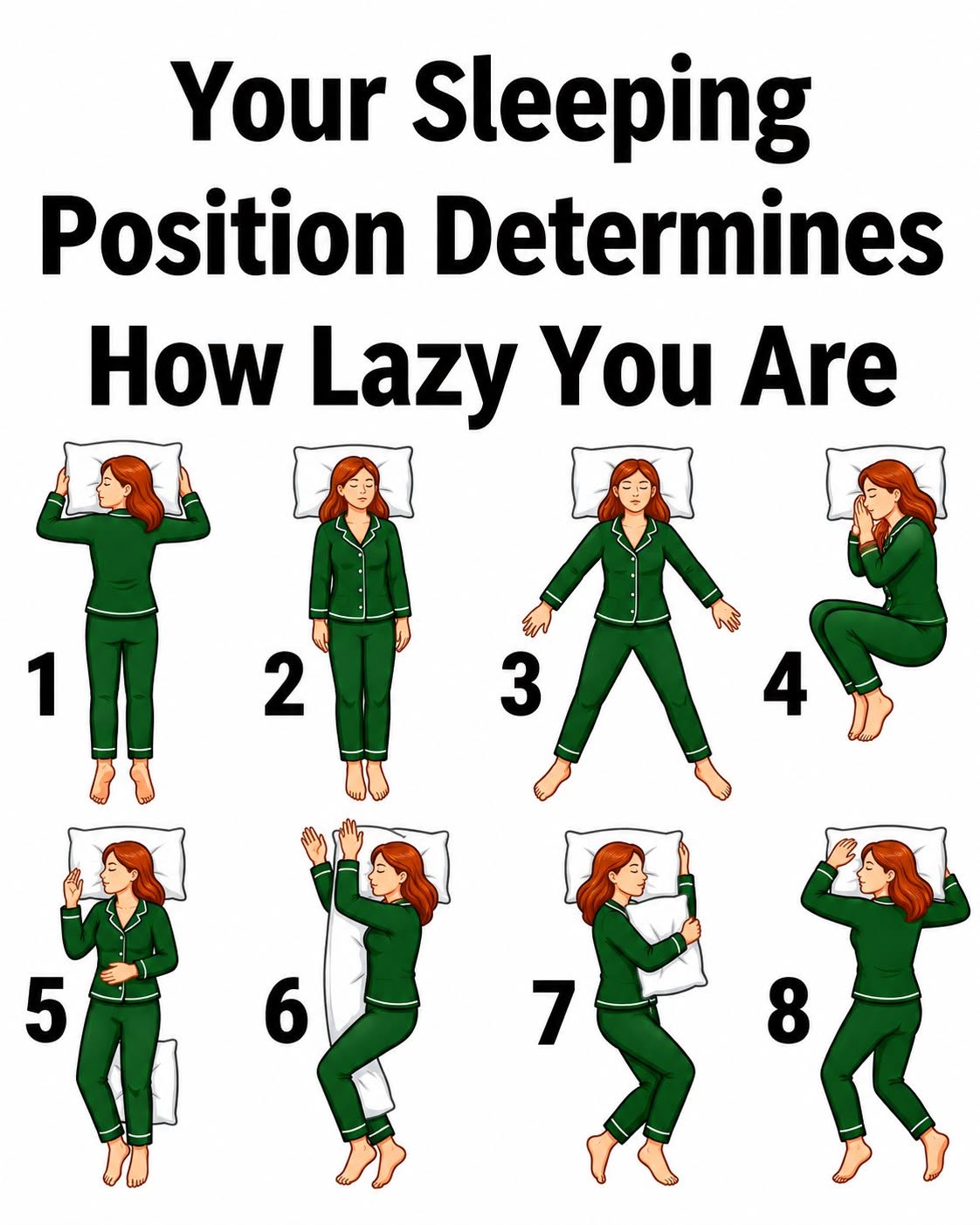
The seventh illustration shows a person lying on their side while holding a pillow against their chest.
This is a familiar position for people who enjoy having something to hold while sleeping.
A pillow can provide more than a feeling of comfort. It may also help support the upper body.
When someone sleeps on their side, the upper arm can otherwise fall forward, pulling the shoulder and upper back into an uncomfortable position. Hugging a pillow gives the arm somewhere to rest and may reduce this strain.
A body pillow can be especially useful because it supports multiple areas at once.
Depending on its size and placement, it may help support the upper arm, reduce twisting through the torso, and provide something to place between the knees.
This can be helpful for people who frequently wake with shoulder or hip discomfort.
Pillow hugging may also make it easier to maintain a comfortable side-sleeping posture. Some individuals find that having a pillow in front of their chest prevents them from rolling onto their stomach.
However, the pillow should be appropriate for the person's body size and sleeping position.
A pillow that is too large may push the shoulder backward or force the neck into an awkward angle. One that is too small may provide little support.
The most useful arrangement is one that allows the shoulders to relax, the neck to remain aligned, and the spine to avoid excessive twisting.
There is no reason to interpret this position as evidence that someone is lonely, emotionally dependent, or insecure.
Hugging a pillow can simply be a physical preference. Comfort is a powerful part of sleep behavior, and people naturally develop habits that help them settle down.
Position 8: Sleeping With One Arm Raised and the Legs Bent
The eighth illustration shows a person lying partly on their side or stomach, with one arm raised near the head and the legs bent.
This is a more complex posture because it combines several movements.
The upper body is not completely flat, the legs are not fully extended, and the spine may rotate slightly.
Some people prefer this position because it allows them to shift their weight between the side and front of the body. Others move into it naturally while changing positions during the night.
The main consideration is spinal alignment.
When the torso twists in one direction while the hips and legs turn in another, the lower back may experience additional strain. The neck may also remain rotated if the head is turned sharply to one side.
For someone who wakes with stiffness, this position may be worth examining.
A more comfortable variation may involve turning the whole body slightly rather than twisting only the upper or lower half. A supportive pillow can also help keep the neck in a neutral position.
People who sleep partly on their stomach should be particularly mindful of their neck. Because the face must usually turn to one side to breathe, prolonged stomach sleeping can place the neck in a rotated position.
This does not mean that everyone who sleeps on their stomach will develop pain. Individual comfort, mattress support, and existing health conditions all matter.
Still, people with frequent neck or back discomfort may benefit from experimenting with side sleeping or a more neutral posture.
