4. Be Careful With Stomach Sleeping
Stomach sleeping may feel comfortable for some people, but it often requires the head to remain turned to one side.
This can place strain on the neck, particularly if the pillow is thick.
People who experience recurring neck stiffness may wish to experiment with side or back sleeping.
If changing positions is difficult, using a thinner pillow may reduce some of the pressure, although individual needs vary.
5. Build a Consistent Sleep Routine
Sleeping posture is only one part of healthy sleep.
A consistent bedtime and wake-up schedule can help regulate the body's internal clock. Most adults need at least seven hours of sleep regularly, although individual needs vary.
Other useful habits include:
- Keeping the bedroom dark, quiet, and comfortably cool.
- Limiting caffeine later in the day.
- Avoiding heavy meals immediately before bedtime.
- Reducing bright screens and stimulating activities before sleep.
- Getting regular physical activity.
- Allowing enough time to wind down before going to bed.
These habits may improve sleep quality regardless of whether someone sleeps on their back, side, or stomach.
6. Understand the Difference Between Sleepiness and Laziness
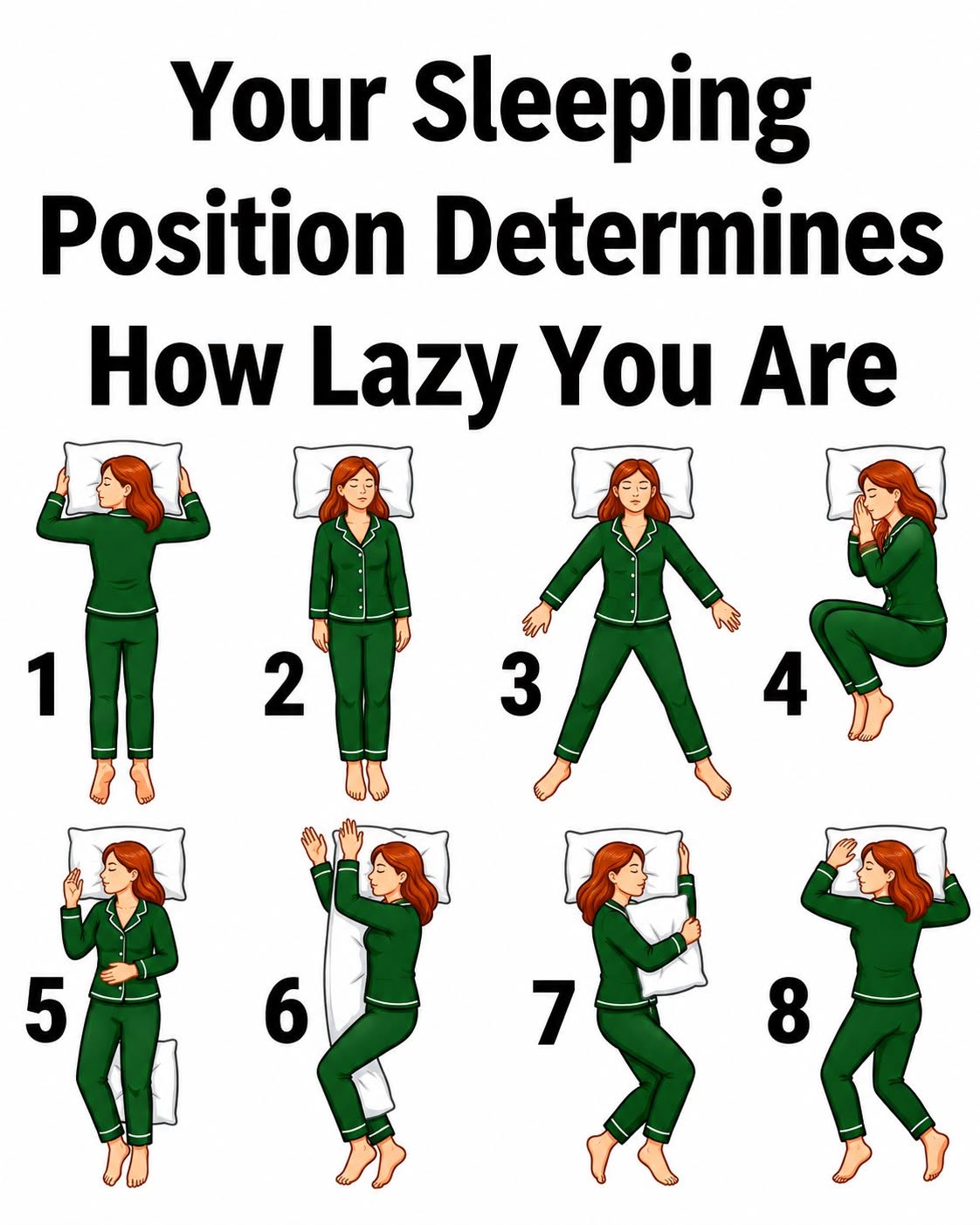
The headline in the image suggests that sleeping position determines how lazy someone is. This is an entertaining idea, but it is not a scientific assessment.
Laziness is not something that can be identified by looking at a person's body posture while asleep.
In fact, persistent tiredness may sometimes be related to insufficient sleep, stress, medication effects, sleep disorders, or underlying medical conditions.
Someone who struggles to get out of bed every morning may not lack motivation. They may simply not be getting restorative sleep.
If fatigue continues despite adequate sleep, it is worth discussing the problem with a healthcare professional.
7. Recognize When Sleep Problems Need Medical Attention
Occasional discomfort after sleeping in an awkward position is common.
However, repeated symptoms deserve attention, particularly when they interfere with daily life.
Consider seeking medical advice if you regularly experience:
- Severe or persistent neck or back pain.
- Numbness or tingling that does not resolve.
- Loud snoring accompanied by breathing pauses.
- Frequent nighttime choking or gasping.
- Persistent insomnia.
- Significant daytime fatigue.
- Morning headaches that occur repeatedly.
Sudden weakness, new loss of sensation, chest pain, or severe breathing difficulty requires urgent medical attention.