

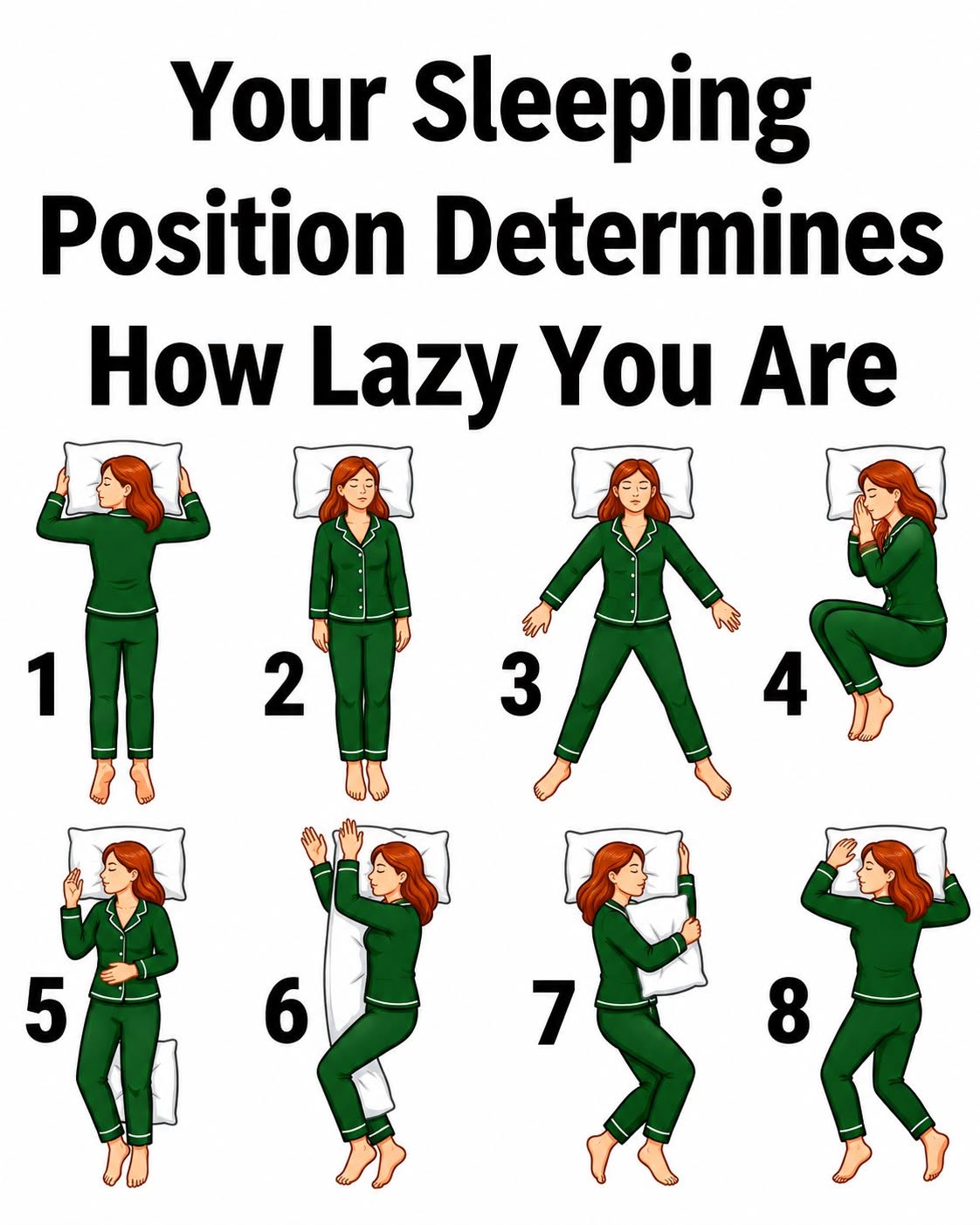
Chapter 3: Positions 5–6 — Side Sleeping and the Position of the Arms
Position 5: Side Sleeping With the Hands Near the Face
The fifth illustration shows a person lying on their side with one hand close to the face and the other resting near the body.
This is a variation of side sleeping, one of the most common ways people position themselves at night.
Side sleeping can be particularly useful for individuals who experience snoring or certain forms of sleep-disordered breathing. By avoiding the fully supine position, some people may reduce the tendency for the tongue and soft tissues to obstruct the airway.
However, comfort depends heavily on alignment.
When sleeping on the side, the head should be supported so that the neck does not bend sharply toward the mattress or upward toward the ceiling. A pillow that is too thin may allow the head to drop, while one that is too thick may push it upward.
Both situations can contribute to neck discomfort.
The shoulder also carries some body weight in this position. People with shoulder pain may find that lying directly on the affected side increases discomfort.
Changing sides, adjusting the pillow, or using a body pillow may help.
The position of the hands matters as well.
Some people place their hands near their face because it feels natural. Others tuck one hand beneath the pillow. However, keeping an arm trapped beneath the head or body for a long time may cause pressure-related numbness or tingling.
If this happens regularly, it may be helpful to reposition the arm so that it rests in front of the body rather than underneath it.
There is also a common misconception that sleeping on one particular side is always better for everyone.
In reality, the preferred side may depend on individual health conditions. Some people with acid reflux find that sleeping on the left side reduces nighttime symptoms, while others may not notice a difference. People with specific medical conditions should seek individualized advice rather than relying on a universal rule.
Position 6: Sleeping With Both Arms Raised Above the Head
The sixth illustration shows a person lying on their side with both arms lifted upward.
This posture may look unusual, but it is not uncommon.
Some people raise their arms while sleeping because it feels comfortable around the shoulders or because they naturally move into that position during the night.
The position can also be influenced by pillow placement. Someone who sleeps while hugging a large pillow may gradually move their arms upward without realizing it.
The main concern is prolonged pressure on the shoulders and nerves.
Holding the arms overhead for extended periods may aggravate existing shoulder problems. It can also contribute to tingling or numbness in the hands in some individuals, especially if the arms are compressed or positioned awkwardly.
People who wake with numb fingers should pay attention to how they are sleeping.
Occasional numbness may result from temporary pressure, but persistent or recurring symptoms should not automatically be blamed on sleeping posture. Conditions involving the neck, shoulder, wrist, or peripheral nerves may also cause similar sensations.
A comfortable alternative is to keep the elbows slightly bent and allow the arms to rest in front of the chest or on a pillow.
A pillow that supports the upper arm can help prevent the shoulder from being pulled into an uncomfortable position.
The goal is not to eliminate every movement during sleep. It is to avoid maintaining a posture that repeatedly causes pain or numbness.
