Your Favorite Sleeping Position May Reveal More About Your Habits Than You Think

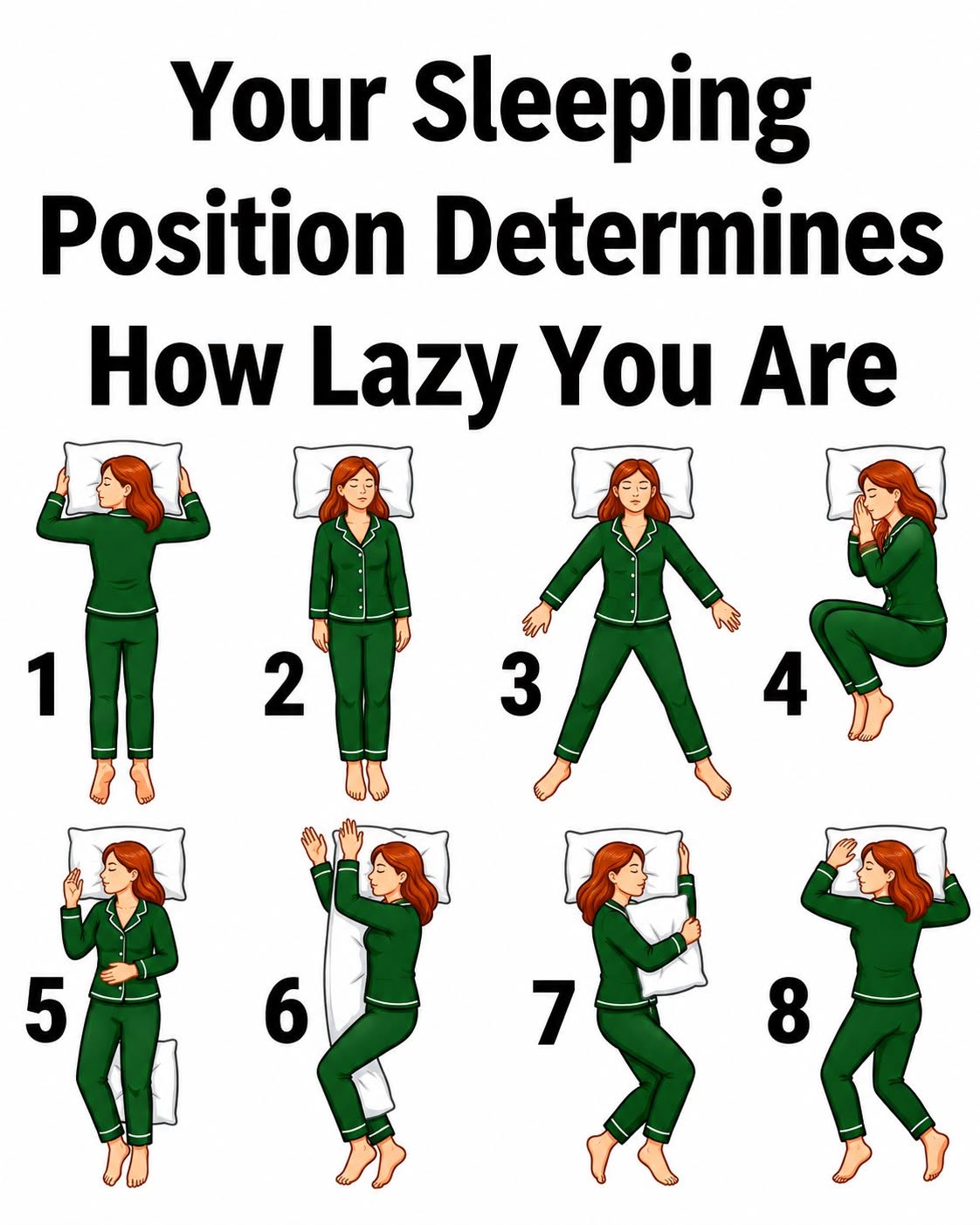
Position 4: The Fetal Position
The fourth position shows a person curled up on their side, with the knees drawn toward the chest and the arms close to the body.
This is known as the fetal position.
It is one of the most familiar sleeping postures. Many people naturally adopt it because it feels secure and comfortable, particularly during colder nights.
Side sleeping can offer practical benefits.
For some people, it may reduce snoring compared with sleeping flat on the back. It can also be helpful for individuals with certain types of obstructive sleep apnea, although side sleeping does not replace medical evaluation or treatment.
Pregnant individuals are often advised to sleep on their side, particularly as pregnancy progresses. The most appropriate position can depend on the stage of pregnancy and individual medical circumstances, so pregnant people should follow guidance from their healthcare professionals.
The fetal position can also be comfortable for people who enjoy keeping their knees slightly bent.
However, curling too tightly may create problems.
Drawing the knees very close to the chest can restrict comfortable movement and may place tension on the hips or lower back. A tightly curled posture can also make it harder for some people to take deep, unrestricted breaths.
A more relaxed version is often preferable: bend the knees gently, keep the back reasonably aligned, and avoid forcing the chin toward the chest.
A pillow between the knees may help reduce pressure on the hips and improve comfort.
The fetal position is not a sign of weakness or laziness. It is simply one way the body settles into rest.