

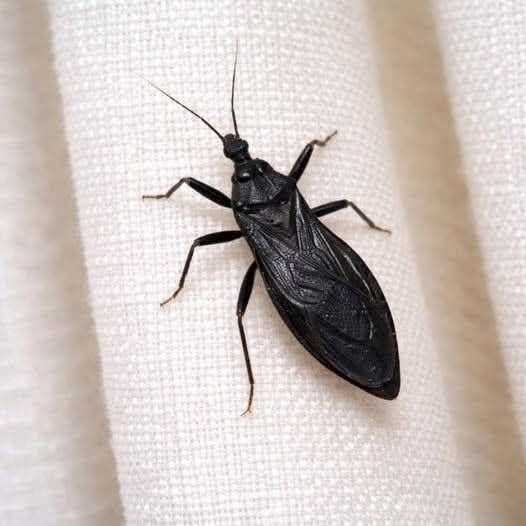
Chagas disease can have different stages.
During the acute phase, some people develop relatively mild or nonspecific symptoms. These may include:
- Fever
- Fatigue
- Headache
- Body aches
- Rash
- Swollen lymph nodes
- Loss of appetite
- Swelling around the site where the parasite entered the body
Some infected people, however, experience few or no noticeable symptoms.
That’s one of the reasons the infection can go unnoticed.
Years or even decades later, a proportion of untreated people can develop chronic complications, particularly involving the heart and digestive system.
Potential complications can include abnormal heart rhythms, cardiomyopathy, heart failure, or enlargement of parts of the digestive tract.
Fortunately, early diagnosis and appropriate treatment can make a significant difference.
Does Every Kissing Bug Carry the Parasite?
No.
This is one of the most important points to remember.
A kissing bug must be infected with Trypanosoma cruzi for it to transmit the parasite.
Even in regions where triatomine bugs occur, not every individual insect is infected.
And again, not every assassin bug is a triatomine bug.
So seeing an unfamiliar assassin bug in your garden isn’t automatically a medical emergency.
What Should You Do If You Find One?

The safest approach is to avoid touching the insect directly.
Don’t crush an unidentified bug against your skin.
Instead, if you need to remove it, use an appropriate container or another method that avoids direct contact. You can also photograph it from a safe distance for identification.
If you think you’ve been bitten, wash the affected area with soap and water.
Avoid scratching the bite.
If you develop concerning symptoms or are worried about possible exposure to Chagas disease, contact a healthcare professional and explain what happened, including where the exposure occurred.
