

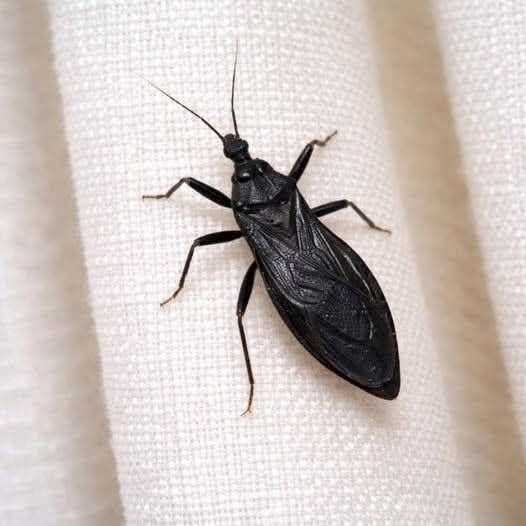
Summertime is wonderful. The days are longer, the weather is warmer, and people spend more time outdoors enjoying gardens, patios, parks, and hiking trails. Unfortunately, summer also brings an unwelcome collection of pests: ticks, mosquitoes, flies, ants, wasps, and countless other insects.
And just when it seems like there are already enough bugs to worry about, another unusual insect sometimes gets attention: the assassin bug.
The name alone sounds alarming. But what exactly is an assassin bug? Are they dangerous? Can they really transmit disease? And what should you do if you find one in or around your home?
The answers are a little more complicated than many viral posts suggest.

What Exactly Is an Assassin Bug?
“Assassin bug” is a common name used for insects belonging to the Reduviidae family.
There are thousands of species of assassin bugs, and they don’t all behave in the same way.
In fact, most assassin bugs are predators that feed on other insects. They use a distinctive, straw-like mouthpart called a proboscis to pierce their prey and consume its bodily fluids.
Some species can even be helpful in gardens because they prey on insects that damage plants.
However, a particular group within this large family is known as triatomine bugs, or “kissing bugs.” These are the insects that are relevant when discussing the transmission of Chagas disease.
That distinction is important because not every insect that looks like an assassin bug is a kissing bug, and most assassin bugs do not transmit Chagas disease.
