

Carrot: Carotenoid Density and Vascular Protection
Carrots contribute high concentrations of carotenoids, primarily beta-carotene, alpha-carotene, and lutein. Beta-carotene serves as a provitamin A precursor, cleaved by the intestinal enzyme beta-carotene 15,15'-monooxygenase into retinol. Beyond basic cellular differentiation and retinal health, circulating carotenoids act as fat-soluble antioxidants that integrate into the outer phospholipid membranes of circulating lipoproteins. By neutralizing reactive oxygen species (ROS) in the bloodstream, carotenoids help shield low-density lipoprotein (LDL) particles from becoming oxidized—an essential step in halting the initiation of atherosclerotic plaque.
Carrots also provide modest amounts of polyacetylenes, such as falcarinol and falcarindiol, bioactive compounds that have demonstrated mild anti-inflammatory and tissue-protective properties in clinical models.
Ginger: Gingerols, Shogaols, and Cyclooxygenase Inhibition
The spicy warmth of ginger root stems from pungent oleoresin compounds, primarily gingerols in fresh root and shogaols formed when dried or heated. Biochemically, 6-gingerol and 6-shogaol share a structural similarity to non-steroidal anti-inflammatory drugs (NSAIDs). They exert natural anti-inflammatory actions by downregulating the enzymes cyclooxygenase-1 and cyclooxygenase-2 (COX-1 and COX-2), which in turn reduces the biosynthesis of pro-inflammatory prostaglandins and leukotrienes.
Ginger also exerts a prokinetic effect on the gastrointestinal tract, stimulating gastric emptying, encouraging bile acid secretion from the gallbladder, and reducing visceral nausea by modulating 5-HT3 serotonin receptors in the gut wall.
Deconstructing the Three Viral Claims
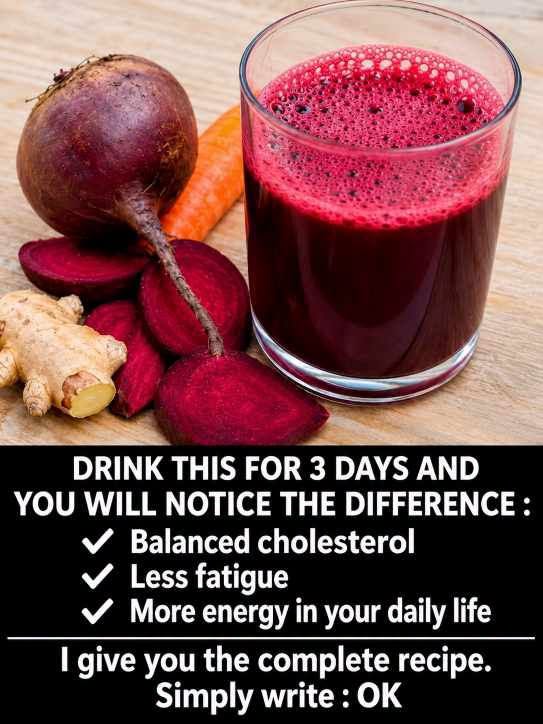
The viral post promises three specific physiological outcomes after three days of consumption: "zero cholesterol," "zero arthritis," and "zero fatigue". Contrasting each claim against biological realities highlights the divide between viral hyperbole and real metabolic processes.
Claim 1: "Zero Cholesterol in Three Days"
This claim is both scientifically impossible and biologically undesirable.
Cholesterol is not a metabolic poison or an unnatural toxin that must be purged from the body. It is an indispensable structural lipid required for human survival. Every single cell membrane in your body requires cholesterol to maintain structural fluidity, integrity, and cellular signaling across changing temperatures. Cholesterol is also the mandatory biochemical precursor for steroid hormones (including cortisol, aldosterone, testosterone, estrogen, and progesterone), bile acids necessary for fat digestion, and the cutaneous synthesis of vitamin D. If a substance could drop your total cholesterol to zero, your endocrine system, cellular architecture, and neurological tissues would experience catastrophic collapse.
What the authors of such claims generally intend to convey is that the drink eliminates excess "bad" circulating LDL cholesterol. However, serum cholesterol concentrations are tightly regulated by hepatic homeostasis through the SREBP-2 pathway (Sterol Regulatory Element-Binding Protein) and hepatic LDL receptors.
While dietary nitrates, betalains, and carotenoids support cardiovascular health by reducing arterial inflammation and preventing LDL oxidation, they do not clear circulating blood lipids within seventy-two hours. Significant shifts in serum lipid profiles—measured via apolipoprotein B, LDL-C, and HDL-C—require four to twelve weeks of consistent lifestyle and dietary interventions, as the liver slowly reconfigures its synthesis rate and receptor clearance mechanisms. Drinking beet and carrot juice for three days leaves baseline serum cholesterol virtually unchanged.
