

Fresh sheets, a comfortable pillow, and a clean mattress should make bedtime feel inviting. But waking up itchy or sneezing can quickly turn that comfortable space into a source of worry.
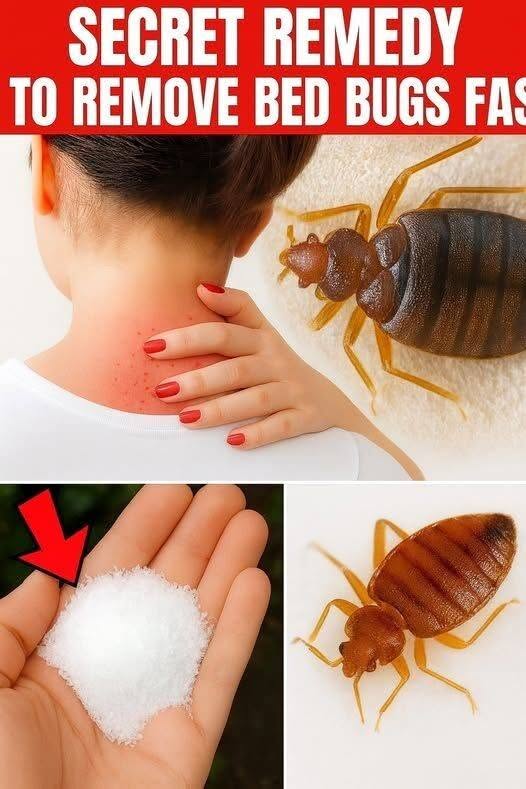
Images promising to remove bedbugs with a handful of white powder make the solution look wonderfully simple. Sprinkle, wait, vacuum—and enjoy a pest-free bed.
Unfortunately, the photograph does not identify the powder, and its appearance cannot establish whether it works. More importantly, dust mites and bedbugs require different approaches. Treating them as the same problem can waste time while the real cause remains.
There are useful steps you can take without spraying your bedroom with unnecessary chemicals. The first is knowing what you are dealing with.
Dust mites and bedbugs: the difference that matters
Dust mites are microscopic creatures that feed on shed skin cells. They commonly live in bedding, upholstered furniture, and carpets, especially where conditions are warm and humid.
They do not bite. Instead, proteins associated with their waste and body fragments can trigger allergy symptoms in sensitive people. That means a bedroom may contribute to sneezing or nasal congestion even when you cannot see a single pest. American Lung Association
Bedbugs are different. They are visible insects that feed on blood and hide in small spaces around sleeping areas. Their hiding places can include mattress seams, bed frames, headboards, and nearby furniture.
Before deciding how to clean, ask whether you have evidence of insects or whether your main concern is dust and allergy symptoms. Neither an itchy patch nor a social media photograph can answer that question for you.
Start with an inspection—not a homemade mixture
Remove bedding carefully and use a flashlight to examine the mattress piping, labels, seams, and accessible parts of the bed frame.
