

The Department for Work and Pensions is preparing to boost ‘enforcement powers’ in a big change to the Child Maintenance Service (CMS) as questions mount over its plans. The DWP is getting ready to reform the CMS as it ends a key plank of the current system, which sees separated parents sort out their own child maintenance payments once the CMS has worked out what is owed. Yet there are concerns from some about the impact the moves will have on children.
The government is pledging to rip up this process because it says it is flawed. However, the changes will mean that some people receiving payments through the current system will in future face charges they do not pay today.
Officials argue that the existing Direct Pay system - where former couples work out their own payment arrangements - leaves many people underpaid, and paid late. This, they say, forces many to chase ex-partners for payments. It can also lead to distress for ex-partners who had been in abusive relationships.
Edward Morello, a Dorset MP, asked the DWP about the potential impact of charges on children where people do not currently pay them. The DWP figures suggest there are currently many arrangements paid on time and in full where there are no historic issues such as domestic abuse - and these will still see the CMS start charging fees.
Now the department has responded. It argued that the changes are necessary - but did not directly address the impact of the reforms on children where receiving parents will start being charged.
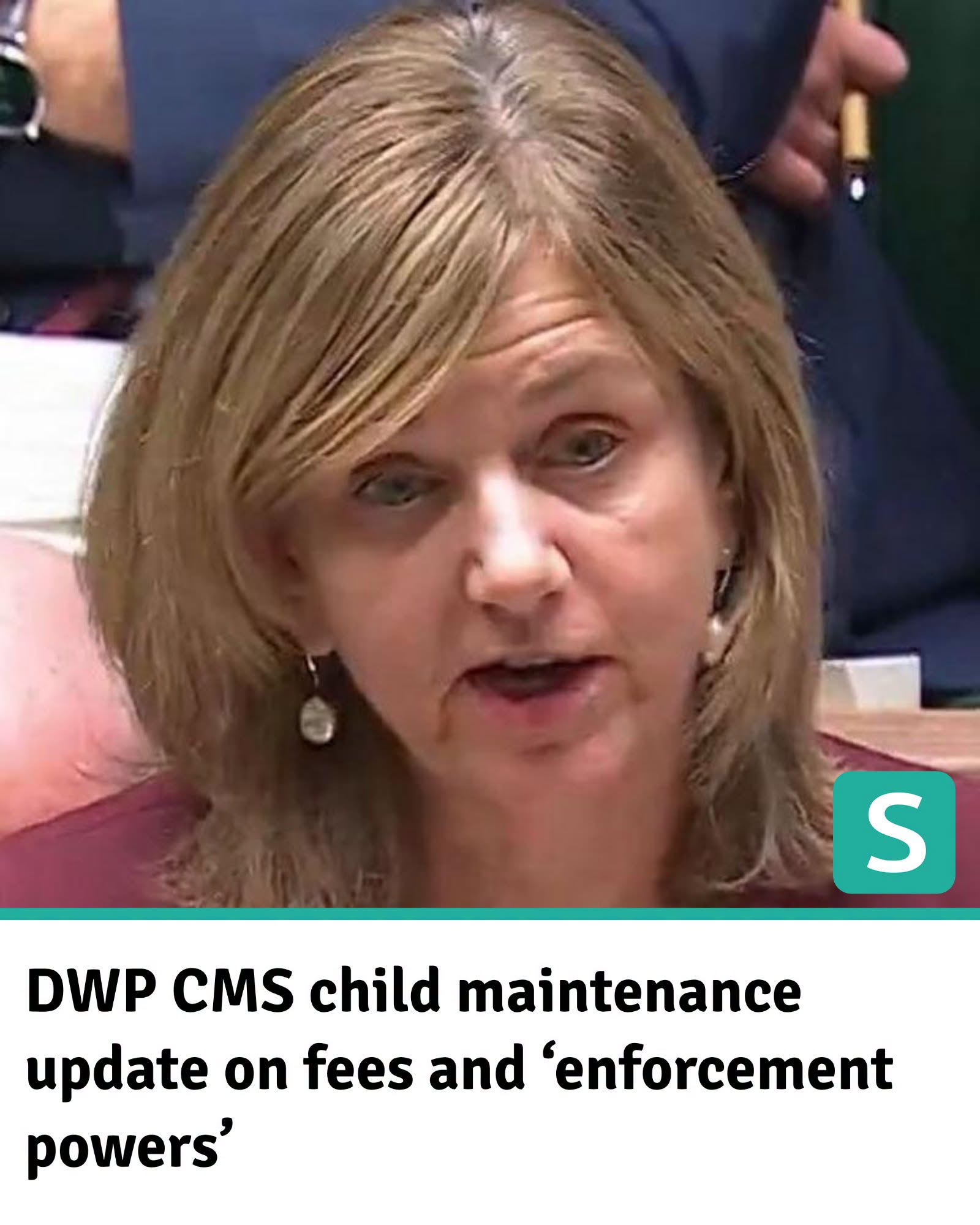
In its response, the DWP said the changes will help pay for enforcement powers when the process is reformed. DWP minister Lilian Greenwood has issued a response that spoke about the powers the government wants to introduce. She said: “Evidence gathered by the Department has highlighted significant shortcomings with Direct Pay. Under Direct Pay, the CMS is unable to routinely monitor whether payments are being made in full or on time, meaning non-compliance can go undetected until a parent reports a problem.
“Research tells us that only 60% of receiving parents in Direct Pay reported getting all of the child maintenance they are owed, and only 40% of them reported receiving it always on time. This places the burden on receiving parents to chase payments. The current arrangement can also create opportunities for economic abuse, including situations where maintenance is withheld, paid late or manipulated as a means of exerting control over a former partner.
“In many cases, parents may also need to maintain contact with an ex-partner to resolve payment issues, which can be distressing and particularly harmful for victims and survivors of domestic abuse.”

