
Does Drinking Water on an Empty Stomach in the Morning Have Extra Health Benefits?


The association between water intake and weight loss is another popular topic, with claims that drinking water on an empty stomach reduces appetite, thereby promoting weight loss and supporting caloric restriction. Some nutritional experts suggest that water preloads the stomach, leading to an earlier feeling of fullness and consequently reducing food consumption at subsequent meals.
Research provides nuanced insights on this subject. Certain studies have indicated that drinking water before meals may help reduce calorie intake in older adults, likely because the sensation of fullness develops faster. However, this effect is not consistent across age groups, and there is scant evidence to suggest that drinking water before breakfast alone leads to significant, sustained weight loss in the general population.
Water does possess a mild thermogenic effect—the body expends energy to bring ingested water to body temperature, temporarily boosting metabolic rate. Although some studies record an increase in metabolic rate by 24-30% for about an hour after drinking water, this effect is not exclusive to the morning or to consumption on an empty stomach. The potential for water-induced thermogenesis to drive significant weight loss is minimal when considered against broader factors such as total dietary intake, exercise, and genetics.
Myth #3: Drinking Water First Thing Improves Mental Performance
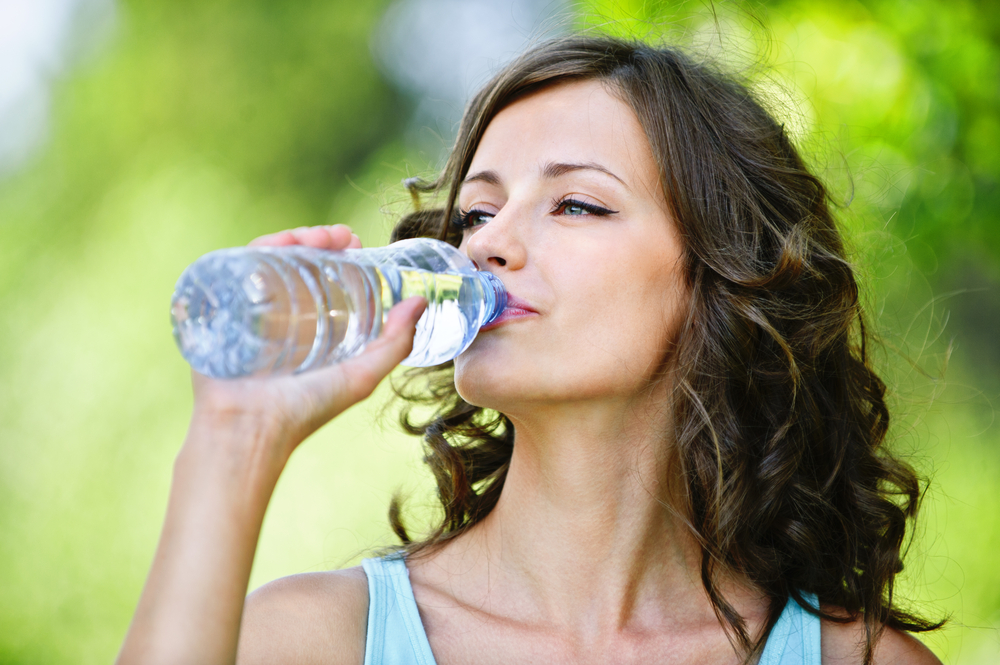
Another common assertion suggests that starting the day with water sharpens focus and boosts mental clarity. The relationship between hydration and cognitive function is real—mild dehydration can impair concentration, memory, and mood—but evidence does not indicate that the morning holds special advantages in this context.
Scientific studies have demonstrated that cognitive deficits from dehydration are reversible once normal hydration levels are restored. The most important factor for brain function is consistent hydration overall, not specifically drinking water at sunrise or before meals. Therefore, for anyone wishing to support mental performance, focusing on regular water intake throughout the day is more effective than relying on timing alone.
The Science of Hydration: What Really Matters
Individual Hydration Needs
The amount of water a person needs daily varies considerably based on:
- Age and biological sex
- Level of physical activity
- Environmental and climatic conditions
- Type of diet—including water-rich fruits and vegetables versus processed foods
- Overall health and the presence of certain illnesses or medications
