


Individuals engaging in intense exercise or living in hot, humid environments will have increased water needs to compensate for the loss of fluids through sweat. Activities like endurance sports or heavy labor outdoors amplify moisture loss, while recovery and muscle repair post-exercise also require enhanced hydration. Dietary choices play a role as well; diets high in fresh produce contribute more water, whereas processed foods tend to be dehydrating and less hydrating overall.
As people age, thirst perception may decline, and older adults may require conscious strategies to maintain healthy hydration. Medical conditions such as kidney disorders, diabetes, and certain medications may also increase or reduce the need for water intake, reinforcing the importance of tailoring hydration habits to individual circumstances rather than following one-size-fits-all advice.
Maintaining a Balanced Approach: Practical Hydration Tips
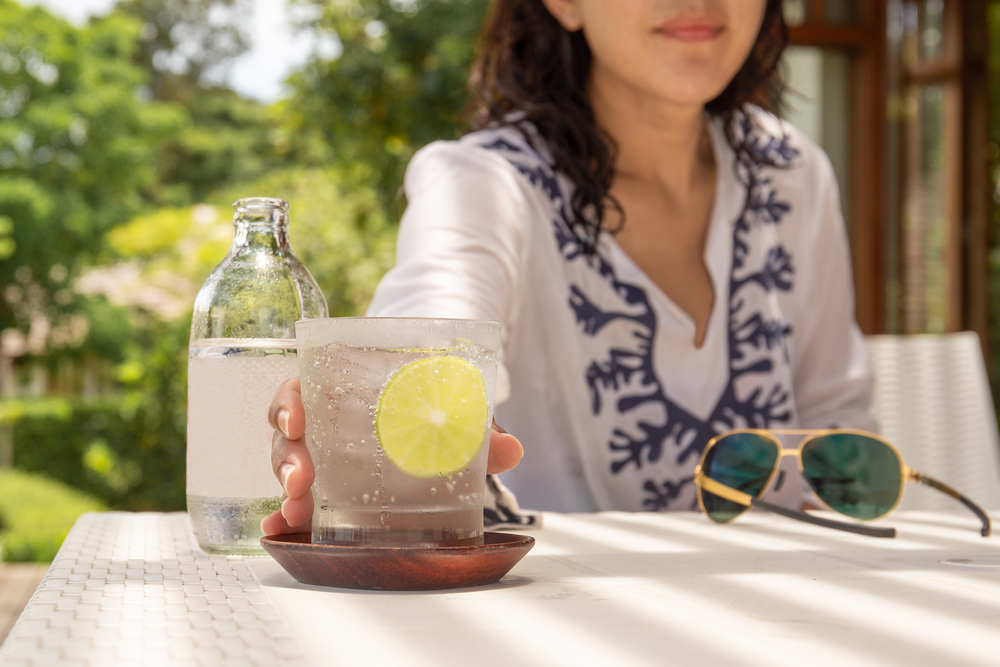
Rather than focusing on a singular ritual, the best strategy for optimal health is maintaining a well-hydrated state at all times. This means listening to your body’s thirst signals, monitoring urine color (which should be pale yellow), and adjusting intake based on daily activity and environmental demands.
Individuals who find that a morning glass of water helps establish positive habits should feel free to continue, as personal routines can support overall consistency. However, the health impact does not depend on the water being consumed strictly on an empty stomach or at a set time of day. The body’s hydration systems adapt flexibly to patterns of intake, so long as total daily needs are met.
Overhydration, though rare, is also possible, especially with excessive intake during strenuous activities without appropriate electrolyte replacement. In situations involving profuse sweating (such as heavy exercise or working outdoors in heat), additional electrolyte-rich fluids may be needed to replace sodium and potassium losses, rather than relying on water alone.
Ultimately, finding a hydration routine that fits your lifestyle, environment, and physical demands—and sticking with it consistently—will yield the greatest health benefits, regardless of whether you drink your first glass of water before, with, or after breakfast.
Expanding the Global Conversation: Cultural Trends and Health Policy
The conversation surrounding hydration is global, with different cultures endorsing distinctive practices related to water intake. For example, some traditional medicine systems recommend warm water in the morning, while others emphasize sipping water throughout the day rather than in large quantities at meals. These customs are often based on centuries of observation, and while not always validated by contemporary research, they reflect the universal recognition of water’s importance in human health.
Meanwhile, public health organizations such as the World Health Organization (WHO) and the Centers for Disease Control and Prevention (CDC) focus on increasing access to clean, safe water and educating communities about the basics of hydration, rather than promoting specific schedules. Their consensus affirms that safe, adequate hydration prevents a range of acute and chronic illnesses, and should be tailored to the individual’s context rather than dictated by broad myths or viral fads.
As research on hydration science evolves, international guidelines continue to encourage a balanced approach, urging individuals to respond to thirst, monitor for signs of dehydration (such as dry mouth, infrequent urination, or dark-colored urine), and consult healthcare professionals if they have special needs due to age, health status, or climate.
Conclusion: Evidence-Based Hydration Habits
The belief that drinking water on an empty stomach in the morning offers unique health benefits is not substantiated by scientific evidence. While water is crucial for every aspect of physical and cognitive functioning, its health effects depend on consistent intake throughout the day—not on ritualized morning consumption. Understanding the individual variability in hydration needs, and relying on credible scientific research, is key to forming healthy, sustainable habits. By focusing on what is proven—listening to your body’s cues, consuming water-rich foods, managing intake according to activity and climate, and avoiding both dehydration and overhydration—you can support optimal health and well-being for the long term.
