Does Drinking Water on an Empty Stomach in the Morning Have Extra Health Benefits?


Humans cannot produce sufficient water through metabolism alone to meet daily needs, making regular consumption from food and beverages essential. Virtually every tissue and organ in the human body relies on water for optimal performance. Key roles of water include:
- Transporting nutrients and oxygen to cells
- Regulating body temperature through sweating and respiration
- Lubricating joints and maintaining optimal function of mucous membranes
- Helping organs act as shock absorbers for daily physical movement
Dehydration poses significant risks, from minor symptoms like fatigue, poor concentration, and diminished physical performance, to serious outcomes such as kidney damage, heat-related illnesses, and in severe cases, organ failure and death. Given the importance of water, it is not surprising that people seek strategies to maximize its health benefits. However, confusion abounds regarding optimal habits, including the precise amount and timing of water consumption.
Myth #1: Drinking Water on an Empty Stomach Removes Toxins
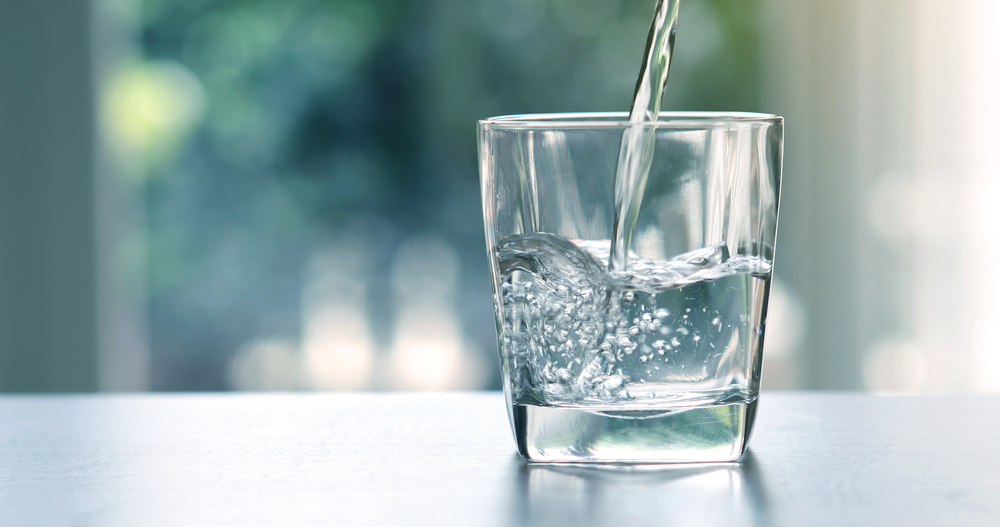
One of the most widespread beliefs is that drinking water first thing in the morning acts as a detoxifying agent. The rationale is that water on an empty stomach can flush toxins more effectively, thus maximizing organ function and promoting rapid “cleansing” of the system.
Scientific evidence does not support this claim. The kidneys are the body’s primary filtration system, constantly working to eliminate waste and manage fluid balance through urine production. Adequate hydration is necessary for kidneys to function optimally, yet the time at which the water is consumed does not alter this process. Whether you drink water at dawn, midday, or night, your kidneys will filter your blood and regulate urine production as long as they have a sufficient fluid supply.
Another related myth concerns the color of morning urine. While it’s true that urine may appear darker after a night’s sleep, this is attributed to natural concentration, as no water is consumed overnight and the bladder isn’t emptied. Studies have shown that darker color in the morning does not necessarily indicate serious dehydration; it’s simply a reflection of less frequent urination during sleep hours.
Myth #2: Drinking Water Before Breakfast Helps You Lose Weight