

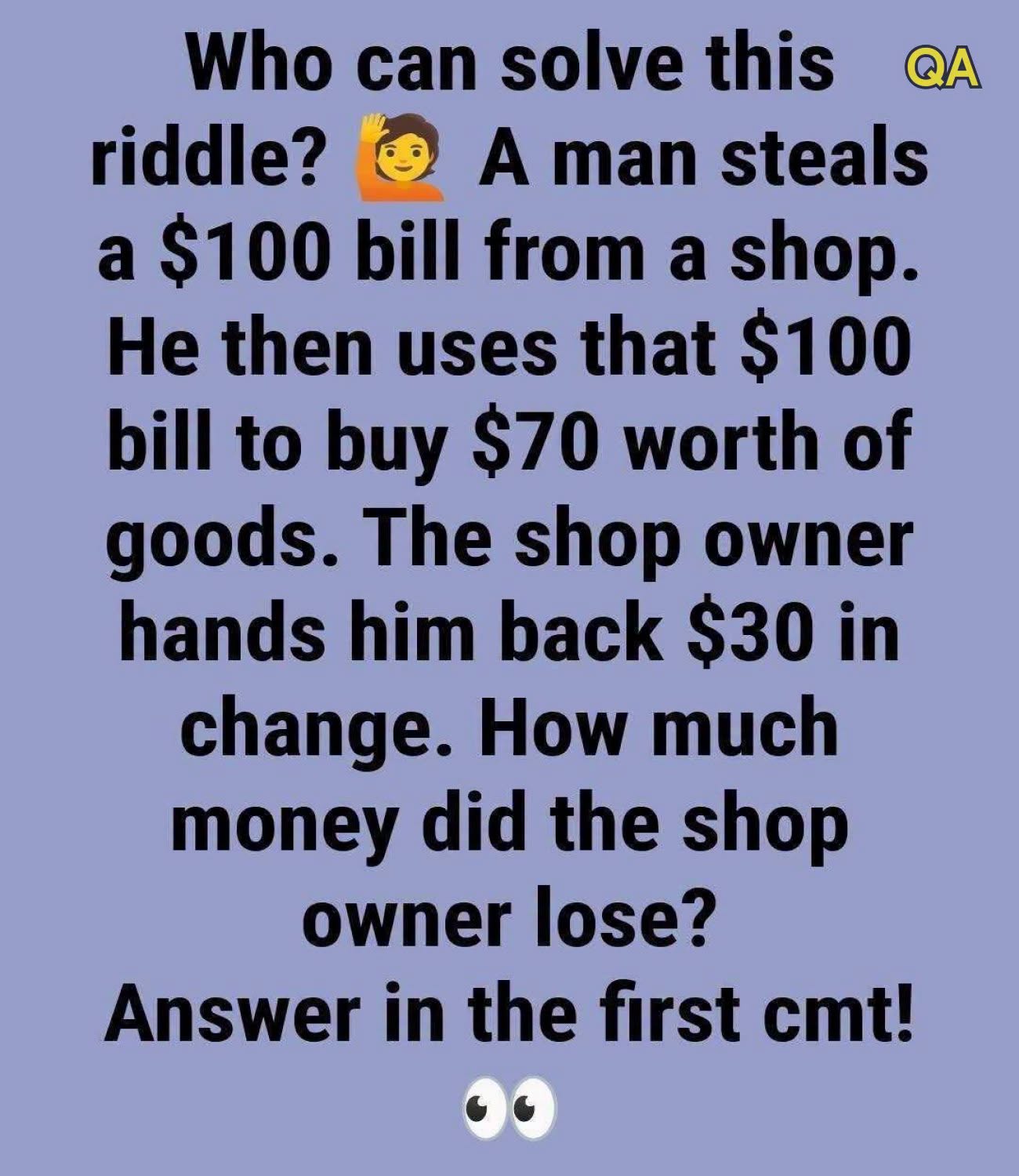
Cash and merchandise are both assets, but they are not the same type of asset. Tracking each category separately makes it easier to understand what happened. In this case, the cash loss is $30 and the inventory loss is $70.
Does the Store’s Profit Margin Change the Answer?
In the standard version of this puzzle, the merchandise is described as being worth or priced at $70, and the intended answer is $100. The puzzle uses the stated value of the goods rather than the shop’s wholesale cost or profit margin.
In real-world accounting, a retailer may distinguish between the selling price of an item and the cost paid to acquire it. For example, an item sold for $70 may have cost the store less than $70 to purchase from a supplier. If a question specifically asked about the business’s accounting cost rather than the value of the loss in the puzzle, additional information would be required.
However, no such information is provided here. Under the conventional wording, the shopkeeper loses $70 in merchandise value plus $30 in cash, for a total of $100.
Common Variations of the Cash Register Puzzle
Similar questions sometimes include different prices, different denominations, or an added complication involving a counterfeit note. Those versions must be handled carefully because the result may change depending on whether the shopkeeper receives valid money, whether a bank later reverses the value of a note, or whether another business is involved.
For the version described here, there is no need to introduce any extra assumptions. The $100 bill is the shopkeeper’s own money, it returns to the register, and the only final losses are the merchandise and change.
A reliable process for solving variations is to write down the final cash position and final inventory position separately. Then add only the values that remain missing at the end.
Final Answer: The Shopkeeper Loses $100
The shopkeeper’s total loss is $100.
The loss consists of:
- $70 worth of merchandise
- $30 in cash change
The original $100 bill should not be added as an additional loss because it returns to the register when the customer uses it to make the purchase. The puzzle is a useful reminder that accurate financial reasoning depends on tracking the final movement of money and goods rather than adding every figure mentioned along the way.
