

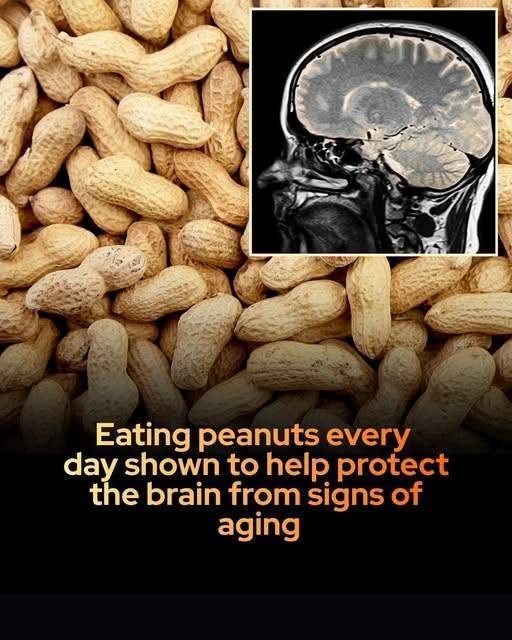
As we get older, maintaining memory, concentration, and healthy brain function becomes increasingly important. Although no single food can prevent dementia or stop the aging process, research suggests that certain foods may support the brain by improving circulation and providing nutrients that protect overall health.
One food attracting scientific attention is the humble peanut. A 2025 clinical trial from researchers at Maastricht University found that eating a daily portion of unsalted, skin-roasted peanuts was associated with improvements in brain blood flow, verbal memory, and certain blood pressure measurements in healthy older adults.
The findings are encouraging, but they need to be understood in context. Peanuts are not a cure for memory loss, and researchers have not yet established that eating them prevents Alzheimer’s disease or other forms of dementia.
What Did the 2025 Peanut Study Discover?
The research, published in the journal Clinical Nutrition, involved 31 healthy adults with an average age of approximately 67.
Participants followed two different conditions: one involving 60 grams of unsalted, skin-roasted peanuts every day for 16 weeks, and another in which they did not eat peanuts. The two periods were separated by an eight-week break.
Researchers measured cerebral blood flow using magnetic resonance imaging and assessed participants’ cognitive performance through standardized tests.
The results were promising:
