

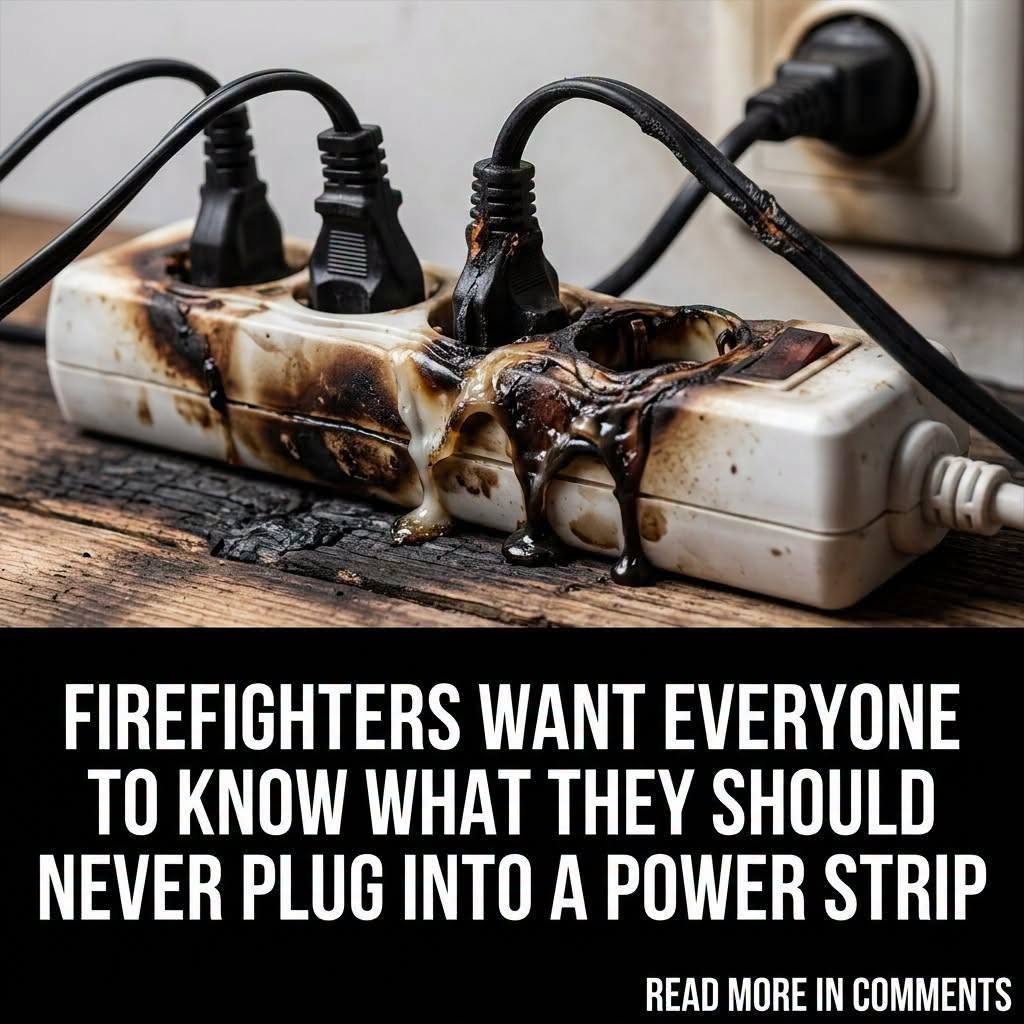
For example, imagine a power strip supporting a toaster, a coffee maker, and a phone charger. The charger consumes relatively little electricity, but the toaster and coffee maker may each require considerable power.
The combined demand could exceed the power strip's rating or place excessive load on the household circuit.
There is also a practical safety concern. Toasters produce heat and may release crumbs or food particles that can accumulate inside the appliance. Placing a toaster near combustible materials or using it with damaged electrical connections can increase the risk of an accident.
Safer approach:
- Plug the toaster or toaster oven directly into an appropriately rated wall outlet.
- Avoid operating multiple high-wattage kitchen appliances on the same power strip.
- Keep the appliance away from paper towels, curtains, plastic containers, and other combustible objects.
- Clean the toaster according to the manufacturer's instructions.
- Unplug the appliance when it is not in use if the manufacturer recommends doing so.
A toaster does not need to be large to consume substantial electricity. Its heating elements can draw a considerable amount of current in a very short period.
Chapter 6: Electric Kettles and Coffee Makers – Common Kitchen Appliances That Can Overload a Strip
Electric kettles and coffee makers are used every day in many households.
Because they are familiar and relatively small, people sometimes underestimate their electrical requirements.
An electric kettle may consume approximately 1,500 to 3,000 watts, depending on its design and voltage. Coffee makers vary widely, but many also use substantial power while heating water.
