

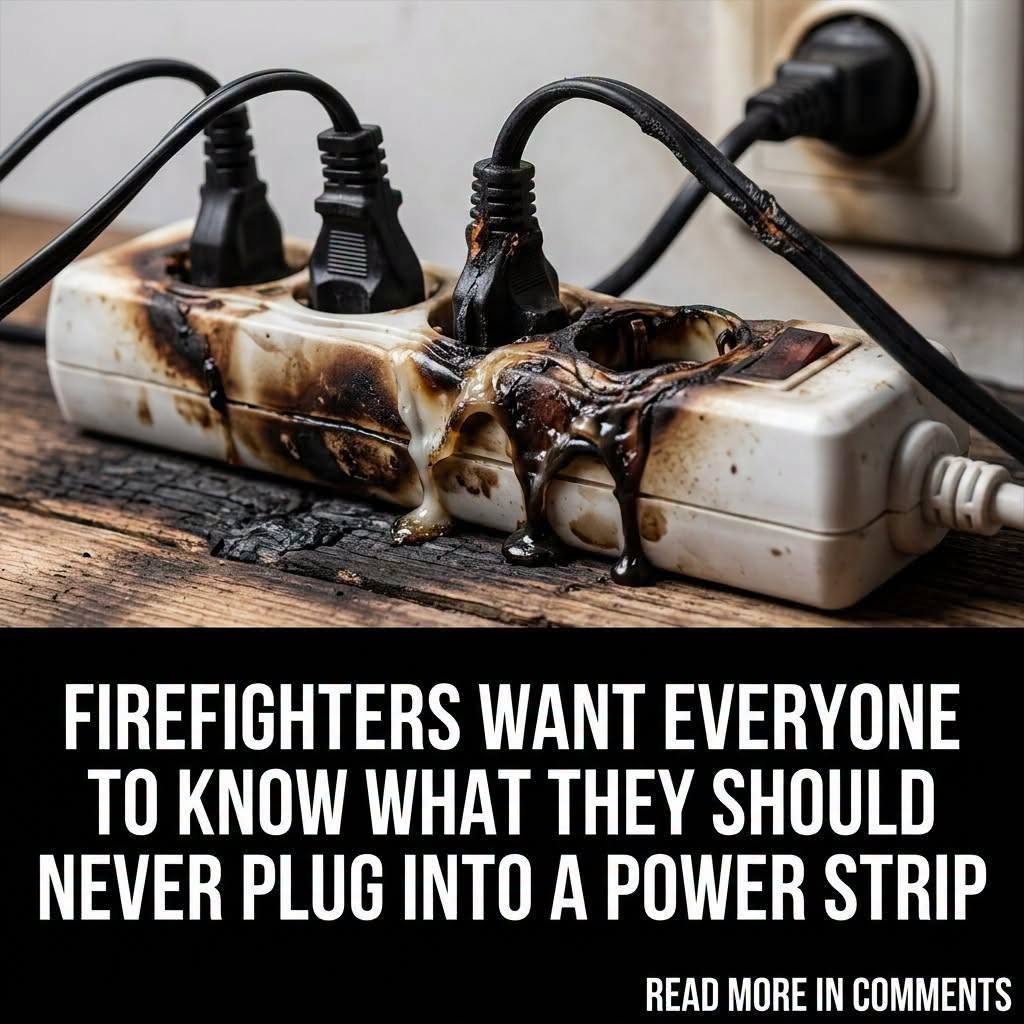
A power strip is one of the most convenient devices in a modern home. It allows several electronic devices to share electricity from a single wall outlet, helping people organize their workspaces, entertainment centers, bedrooms, and kitchens. From phone chargers and desk lamps to computers and televisions, power strips make everyday life easier.
However, convenience can create a false sense of security. Many people assume that if a plug fits into a power strip, the appliance is safe to use with it. Unfortunately, that is not always true.
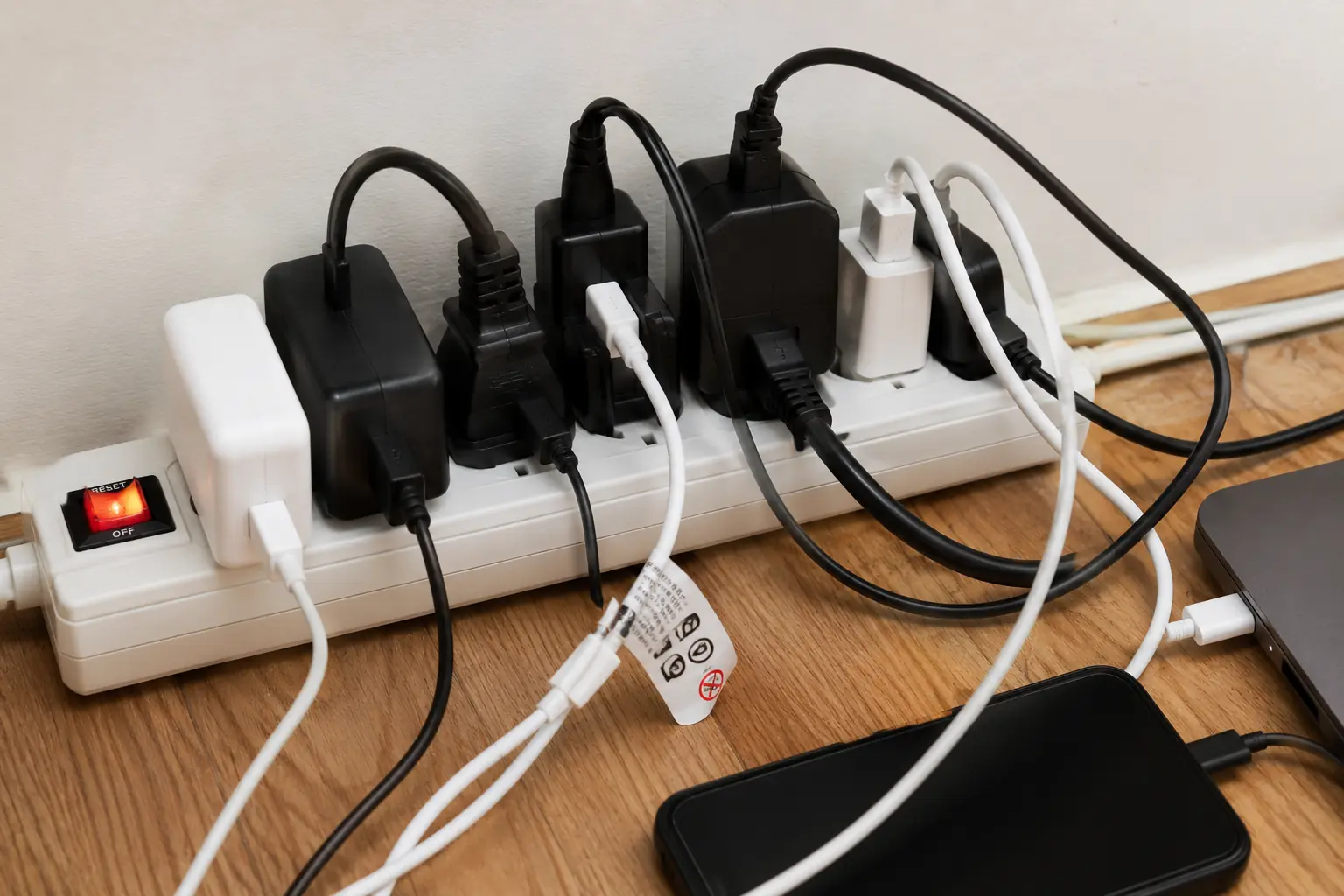
Power strips have electrical limits. When too many devices are connected, or when appliances with high electricity demands are used improperly, the strip can overheat. In some circumstances, overheating may damage insulation, melt plastic components, produce sparks, or start an electrical fire.
The danger is not always obvious. A power strip may look perfectly normal while carrying more electrical current than it was designed to handle. Some warning signs, such as a warm plug, a burning smell, or a discolored socket, may appear only after the problem has already begun.
Understanding which household appliances should generally be plugged directly into a properly installed wall outlet is an important part of home fire prevention. It can help protect electrical equipment, reduce unnecessary risks, and prevent avoidable accidents.
Here are several common household items that require special attention when it comes to power strips.
Chapter 1: Space Heaters – One of the Biggest Power Strip Risks
Portable space heaters are among the appliances that deserve the greatest caution around power strips.
These devices generate heat by consuming a substantial amount of electrical power. Many household space heaters operate at approximately 1,500 watts when set to their highest setting, although the actual power consumption varies by model.
A typical power strip may not be designed to safely handle this kind of continuous electrical demand. Even if the strip has several available sockets, that does not mean it can support a high-wattage heating appliance.
When a space heater draws more current than the power strip is designed to carry, the internal conductors and electrical contacts can become excessively hot. Poor connections, worn components, and overloaded circuits can make the situation even more dangerous.
The problem becomes particularly concerning when a space heater operates for several hours. People often turn on these appliances before going to sleep, while working, or when leaving a room. If the electrical connection begins overheating, the user may not notice the warning signs immediately.
For this reason, many space heater manufacturers specifically instruct consumers to plug their products directly into a suitable wall outlet rather than an extension cord or power strip.
Safer approach:
