

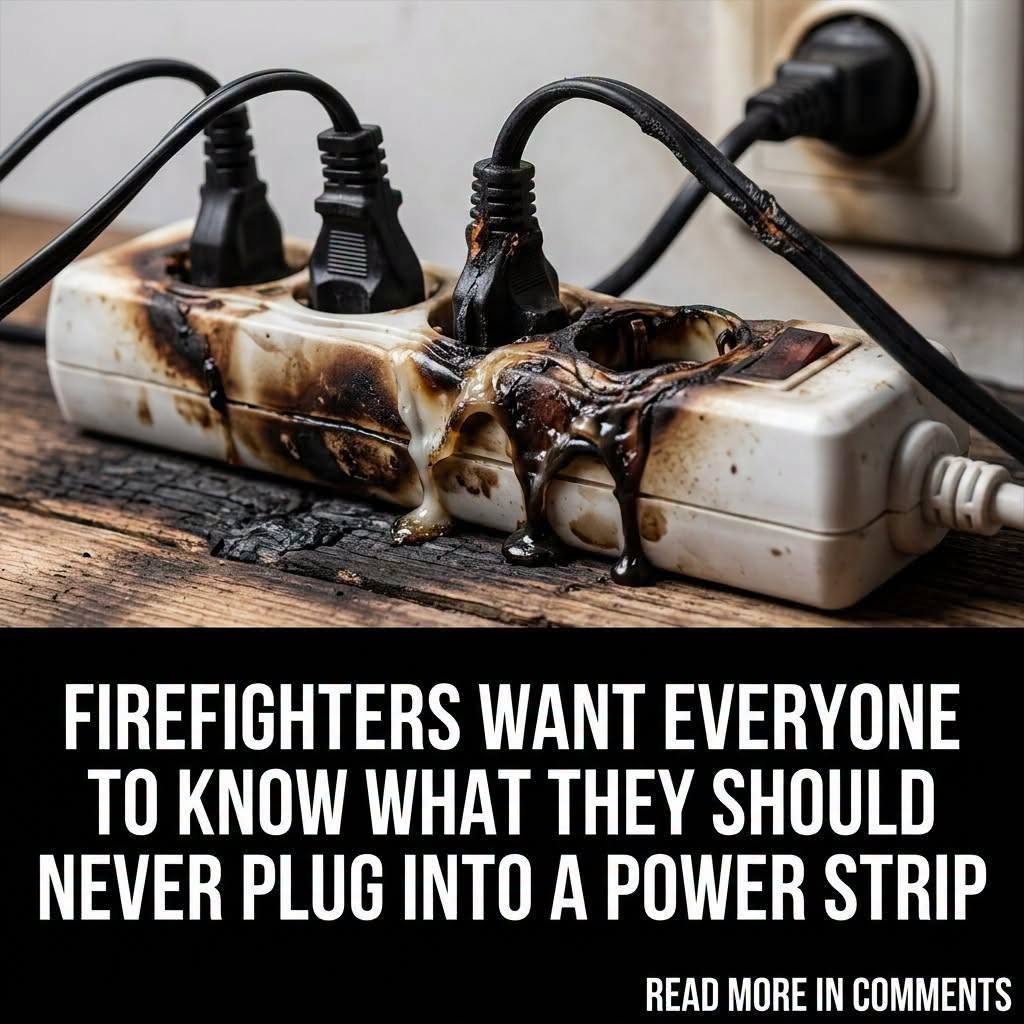
- Plug the heater directly into a properly grounded wall outlet, following the manufacturer's instructions.
- Keep curtains, blankets, clothing, furniture, and other combustible materials away from the heater.
- Never leave a portable heater operating unattended or while sleeping unless the manufacturer's instructions and applicable safety guidance explicitly permit it.
- Stop using the appliance if the plug, outlet, or surrounding area becomes unusually hot.
- Avoid using a heater with a damaged cord or loose plug.
A space heater may seem like a small household appliance, but its electrical demand can be comparable to that of several smaller devices operating simultaneously. Treating it casually can create unnecessary risks.
Chapter 2: Air Conditioners – High Electrical Demand Requires the Right Connection
Air conditioners are another category of appliances that generally should not be connected to ordinary power strips.
Unlike phone chargers or small electronic accessories, air conditioners can draw considerable electrical current. Their electricity consumption depends on cooling capacity, compressor design, efficiency, operating conditions, and whether the unit is starting or running.
Window air conditioners and portable air conditioners may place significant demands on household electrical circuits. Some models also require dedicated circuits or particular outlet configurations.
One important detail is that an air conditioner's compressor can create a temporary increase in electrical demand when it starts. A power strip that appears to work during normal operation may not be suitable for these electrical conditions.
Using an ordinary power strip can introduce additional resistance at the plug and socket connections. If the connections are loose, damaged, or underrated, heat can accumulate and potentially damage the equipment.
Another common mistake is connecting an air conditioner through multiple extension cords or adapters because the original cable does not reach the outlet. This can create an unreliable electrical connection and increase the possibility of overheating.
Safer approach:
