

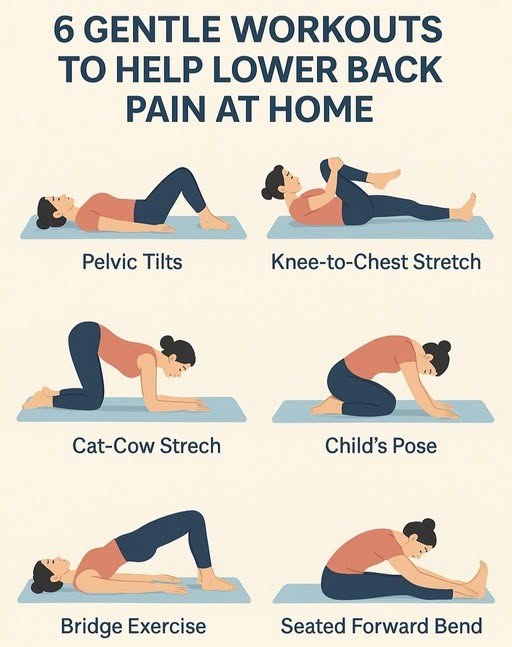
- Lie on your back with your knees bent and feet flat on the floor.
- Keep your feet about hip-width apart.
- Gently tighten your abdominal muscles and squeeze your buttocks.
- Slowly lift your hips without arching your lower back excessively.
- Hold for two to five seconds.
- Lower your hips slowly and repeat 8–10 times.
Why it may help: Stronger gluteal and trunk muscles can improve movement control and provide support during everyday activities.
6. Seated Forward Bend: Stretch the Hamstrings
Tight hamstrings can make certain movements feel restricted. This exercise gently stretches the muscles at the back of the thighs.
How to do it:
- Sit on the floor with your legs extended in front of you.
- Keep your knees slightly bent if needed.
- Sit upright and gently hinge forward from your hips.
- Reach toward your thighs, shins, or feet.
- Stop when you feel a comfortable stretch.
- Hold for 10–20 seconds, then slowly return upright.
Why it may help: The movement stretches the hamstrings and encourages hip mobility.
Avoid forcing this stretch. If bending forward increases your back pain or causes symptoms to travel down your leg, stop.
Important Safety Guidelines
Before starting any exercise routine, remember that lower back pain does not have the same cause in everyone.
Follow these precautions:
- Start gently: Begin with a few repetitions and increase gradually.
- Never force a movement: Stop if you experience sharp, shooting, or worsening pain.
- Breathe normally: Avoid holding your breath during stretches and strengthening exercises.
- Pay attention to symptoms: If pain spreads farther down your leg or you develop new numbness or weakness, stop and seek medical advice.
- Keep moving when appropriate: For many people with uncomplicated back pain, gentle walking and changing positions regularly are preferable to prolonged bed rest.
- Choose exercises carefully: A movement that helps one person may aggravate another person’s symptoms.
