

10. Understanding Labels: What to Look for in Omega-3 Products
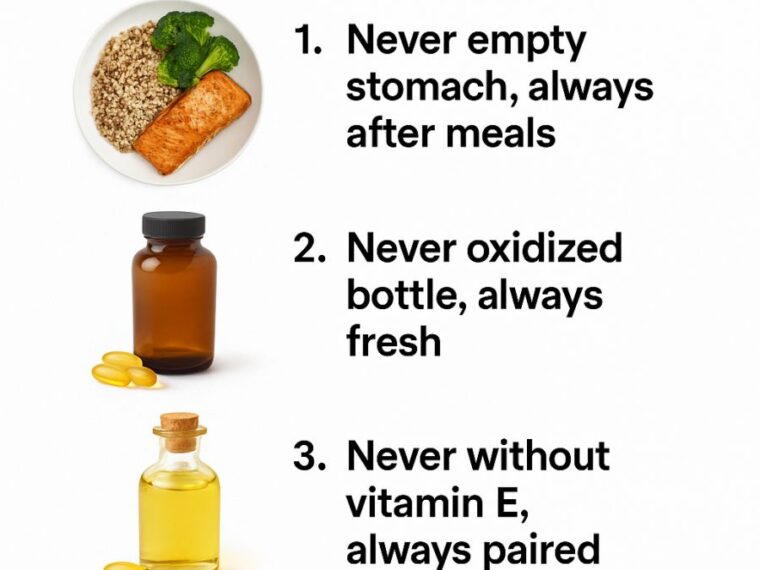
Reading labels is crucial when selecting an omega-3 supplement, as it can provide valuable information about the product’s quality and content. Key details to look for include the source of the omega-3s, the amount of DHA and EPA per serving, and any additional ingredients such as vitamin E or flavorings.
Labels should also indicate whether the product has been tested for contaminants like mercury and heavy metals. Certifications from third-party organizations can further assure quality and safety. By understanding these labels, you can make informed decisions and choose a supplement that aligns with your health goals.
11. The Risks of Overconsumption: When More Isn’t Better
While omega-3s are beneficial, consuming them in excessive amounts can lead to adverse effects. High doses of omega-3s can increase the risk of bleeding, particularly if you are taking blood-thinning medications or have a bleeding disorder. They may also suppress immune function or cause gastrointestinal discomfort
To avoid these risks, adhere to recommended dosages and consult with a healthcare provider before starting a new supplement regimen, especially if you have underlying health conditions. By following guidelines and monitoring your intake, you can safely enjoy the numerous benefits of omega-3s without compromising your health.
