

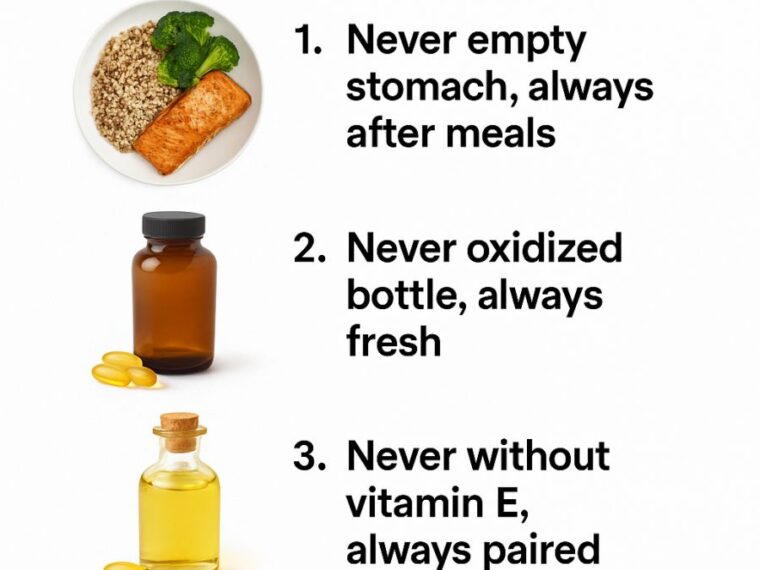
Omega-3 fatty acids have gained significant attention over the years for their myriad health benefits, from supporting heart health to enhancing cognitive function. Despite their popularity, many people are unaware of how to properly incorporate omega-3 supplements into their daily routine. This oversight can lead to less-than-optimal results and, in some cases, unnecessary side effects.
In this article, we aim to dispel common misconceptions and provide you with a comprehensive guide to taking omega-3 the right way. From the importance of timing and dosage to storage and quality considerations, we will explore everything you need to know to maximize the benefits of these essential fatty acids.
1. The Importance of Omega-3 for Your Health
Omega-3 fatty acids are crucial for maintaining a healthy body and mind. They are essential fats, meaning the body cannot produce them on its own, so they must be obtained from diet or supplements. The three main types of omega-3s are ALA (alpha-linolenic acid), DHA (docosahexaenoic acid), and EPA (eicosapentaenoic acid). While ALA is primarily found in plant oils, DHA and EPA are abundant in fish oils and are most beneficial for human health.
Studies have shown that omega-3s play a critical role in heart health by reducing triglyceride levels, lowering blood pressure, and decreasing the risk of heart disease. They are also known to support brain health, with research suggesting that adequate intake of DHA and EPA can improve cognitive function and reduce the risk of neurodegenerative diseases. Furthermore, omega-3s have anti-inflammatory properties, which can help alleviate symptoms of chronic inflammatory conditions such as arthritis.
2. Why Timing Matters: Always Take Omega-3 After Meals
The timing of when you take your omega-3 supplement can significantly impact its absorption and effectiveness. It is generally recommended to take omega-3 supplements with meals, particularly those containing fats. This is because omega-3s are fat-soluble, meaning they need the presence of dietary fat to be properly absorbed by the body.
Taking omega-3s on an empty stomach may reduce their absorption, leading to less pronounced health benefits. By consuming your omega-3 supplement with a meal that includes healthy fats such as avocados, nuts, or olive oil, you can enhance the bioavailability of these essential fatty acids, ensuring that your body can utilize them effectively.
