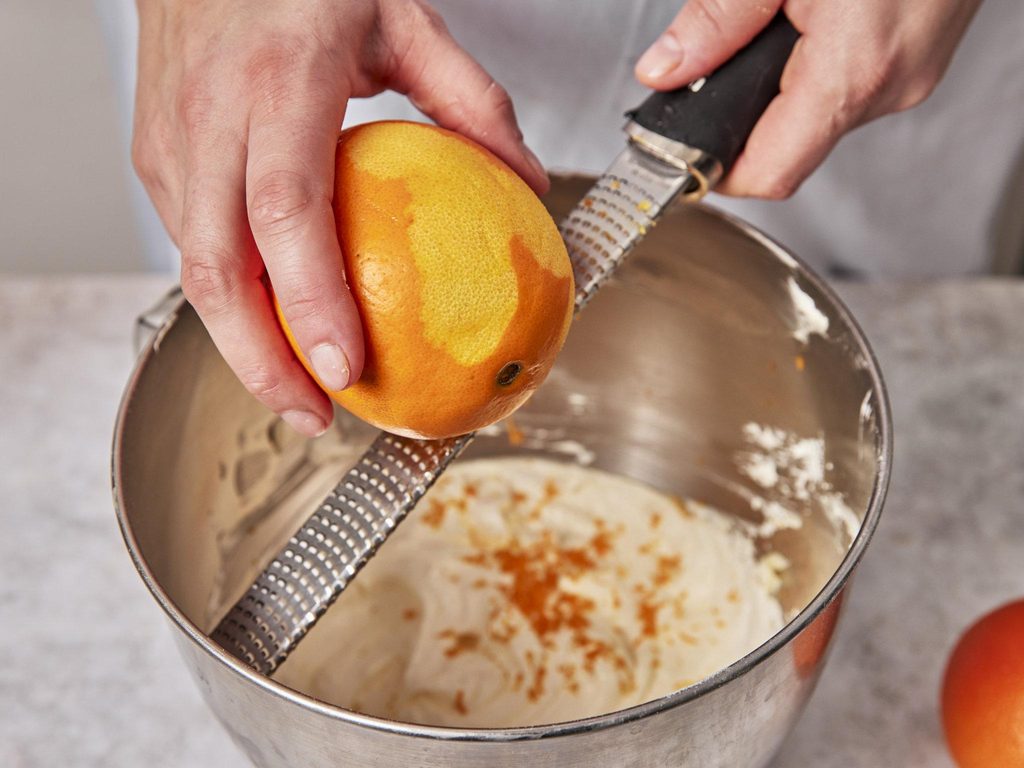
Windowsills are places where air naturally moves when windows are opened. This can help distribute the fragrance of fresh citrus peels around the nearby area.
There are several possible reasons someone might choose this particular location:
- Air circulation: Moving air can carry the citrus fragrance into the room.
- Convenience: Windowsills provide a convenient place to put small household items.
- Traditional pest-control habits: Some people believe citrus smells discourage insects from entering through windows.
- Natural fragrance: The peels can provide a pleasant smell without purchasing an air freshener.
However, placing peels on a windowsill does not create a protective barrier against insects. Insects can still enter through open windows, gaps and damaged screens.
If insects are a recurring problem, properly fitted window screens, sealed gaps and good household hygiene are much more dependable solutions.
6. Can You Really Leave Tangerine Peels There for Several Days?
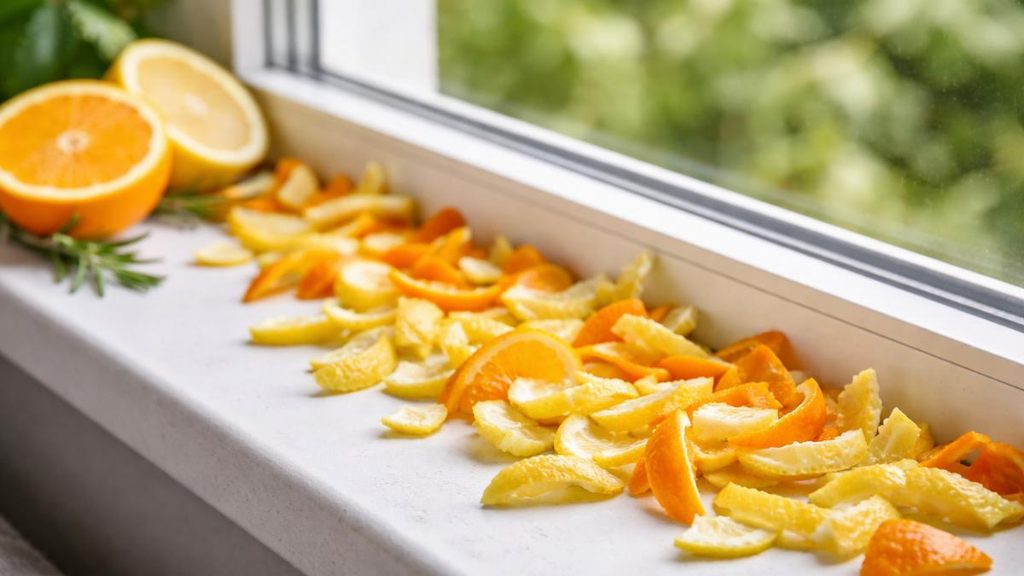
This is where Grandma’s traditional habit needs a little modern adjustment.
Fresh tangerine peels contain moisture, sugars and organic material. If they remain in a warm or humid environment for too long, they can begin to deteriorate.
Depending on the temperature and humidity, they may:
- Develop visible mould.
- Produce an unpleasant smell.
- Attract fruit flies or other unwanted insects.
- Leave sticky residue on the windowsill.
- Become a place where microorganisms can grow.
For this reason, leaving fresh peels untouched for several days is not necessarily a good idea.
A better approach:
- Place a few fresh peels in a small, clean dish.
- Keep the dish away from food preparation areas.
- Check the peels every day.
- Replace them when they lose their fresh smell or begin to dry out.
- Discard any peel showing signs of mould or decomposition.
If you prefer to keep citrus peels for longer, drying them completely is a better option.
Drying removes much of their moisture, making them more suitable for storage and decorative uses. Nevertheless, they should be kept in a clean, dry container.
7. What Does Science Actually Say About Tangerine Peels?

The interesting part of this traditional trick is that researchers have investigated the properties of citrus peel oils.
A study published in Bioresource Technology in 2001 examined volatile extracts from orange and lime peels. Researchers observed insecticidal activity against mosquitoes, cockroaches and houseflies under experimental conditions. PubMed+1
Other research has investigated limonene and its interactions with insects and microorganisms. However, results obtained using concentrated extracts cannot automatically be applied to ordinary fruit peels sitting on a windowsill. PMC+1
This distinction is important because many traditional household remedies have a scientific explanation behind their ingredients, but that does not mean every traditional method works equally well.
In other words, Grandma may have discovered a pleasant way to reuse citrus peels, but the idea that a few leftover tangerine skins can reliably protect an entire house from insects is not supported by strong evidence.
8. Other Creative Ways to Reuse Tangerine Peels