
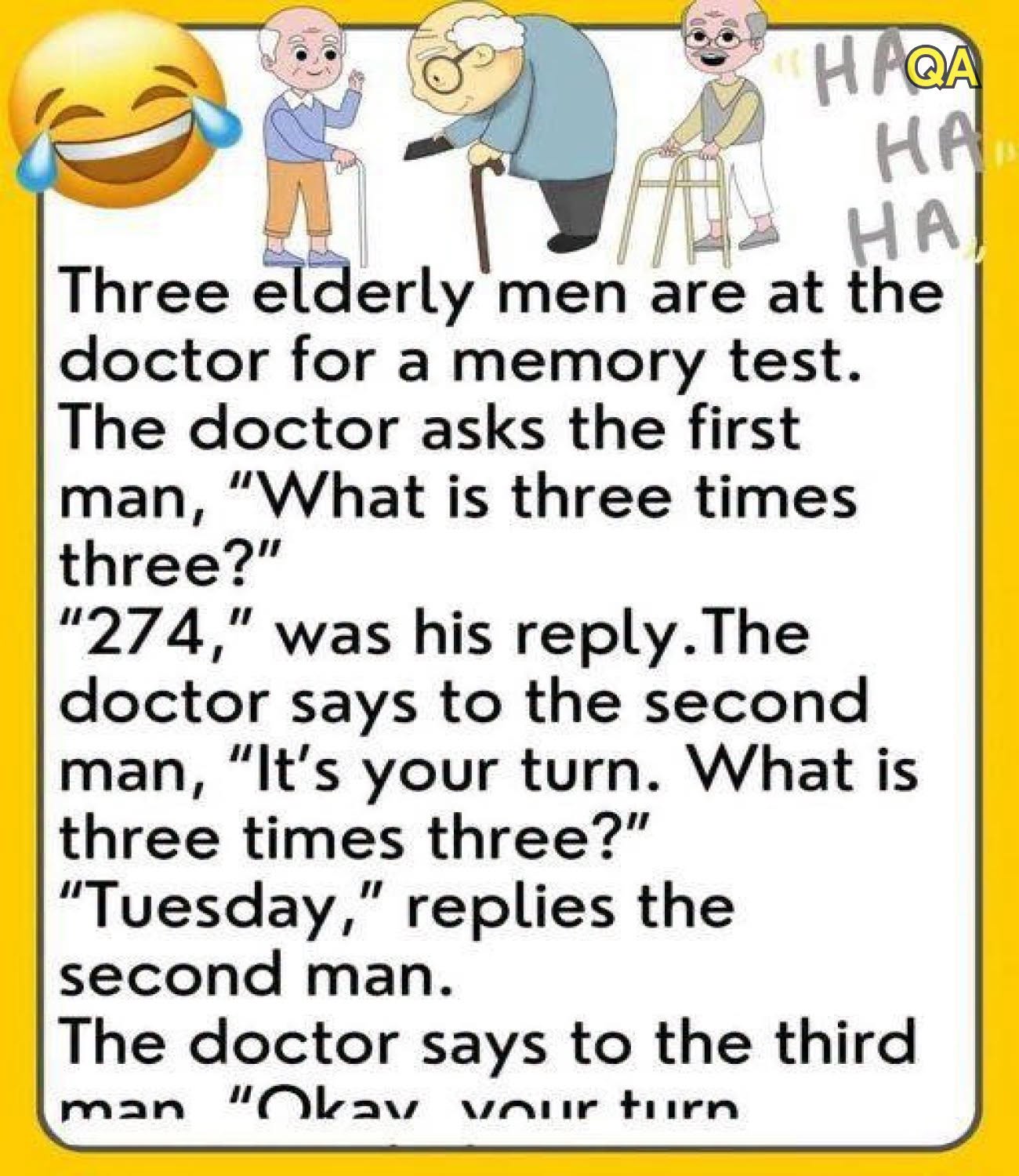
What’s Three Times Three?

It is normal for people of many ages to occasionally forget a name, misplace an everyday item, or need a moment to recall a word. Sleep, stress, grief, anxiety, medication effects, illness, and busy routines can all affect concentration and short-term recall. These everyday experiences do not automatically indicate dementia or another serious medical condition.
Clinicians generally become more concerned when memory difficulties are persistent, worsen over time, or interfere with daily activities. Examples may include repeatedly asking the same questions, becoming disoriented in familiar places, struggling to manage tasks that were previously routine, or experiencing notable changes in judgment, communication, or behavior. Even then, memory changes can have many possible causes, some of which may be treatable.
The World Health Organization describes dementia as a syndrome in which cognitive function deteriorates beyond what might be expected from normal aging. It can affect memory, thinking, orientation, comprehension, language, and the ability to carry out everyday activities. Alzheimer’s disease is the most common cause of dementia, but it is not the only cause. Vascular conditions, certain neurological disorders, infections, nutritional deficiencies, medication interactions, depression, and thyroid problems may also contribute to cognitive symptoms.
A real medical memory assessment is more comprehensive than a single question such as a multiplication problem. A healthcare professional may begin by asking when the symptoms began, how frequently they occur, whether they have changed, and how they affect everyday life. The clinician may also ask about sleep, mood, medical conditions, alcohol use, medications, recent illness, hearing or vision concerns, and family history.
Brief screening tools may assess areas such as orientation, attention, language, recall, problem-solving, and visual-spatial skills. For example, a clinician might ask a person to remember a short list of words, draw a clock, identify the date, follow a simple instruction, or complete a basic task. These exercises are not intended to embarrass anyone. They offer one part of a broader picture and must be interpreted by qualified professionals in context.
If a screening result suggests further evaluation is appropriate, a doctor may order blood tests, review medications, assess mood, or recommend specialist care. In some cases, brain imaging or formal neuropsychological testing may be considered. A diagnosis should never be based on a joke, a single forgotten detail, or an online quiz.

Humor can be valuable. It may ease tension, strengthen social connection, and make difficult topics feel more approachable. Yet health-related humor works best when it does not reduce people to a diagnosis or portray confusion as a reason to dismiss someone’s humanity. Respectful language recognizes that a person may be living with memory changes while still having meaningful relationships, preferences, abilities, and a full personal history.
Families and caregivers can help by listening carefully when an older relative expresses concern about memory. Rather than immediately correcting, teasing, or assuming the issue is inevitable, it can be helpful to document examples and encourage a conversation with a healthcare professional. Approaching the subject calmly may reduce fear and make it easier for the person to participate in decisions about their care.
Public-health organizations also emphasize the importance of reducing stigma. Fear of judgment can discourage people from seeking advice early. Open, factual conversations about brain health and aging can support timely assessment, practical planning, and access to services.
