

Family Relationships, Genetic Testing, and Support After Unexpected Results
Editor’s note: The original account does not identify verifiable people, medical records, or reporting sources. It should therefore be treated as an illustrative family scenario rather than a confirmed news report. This article explains the real-world medical, ethical, and emotional issues that may arise when genetic information reveals an unexpected biological relationship.
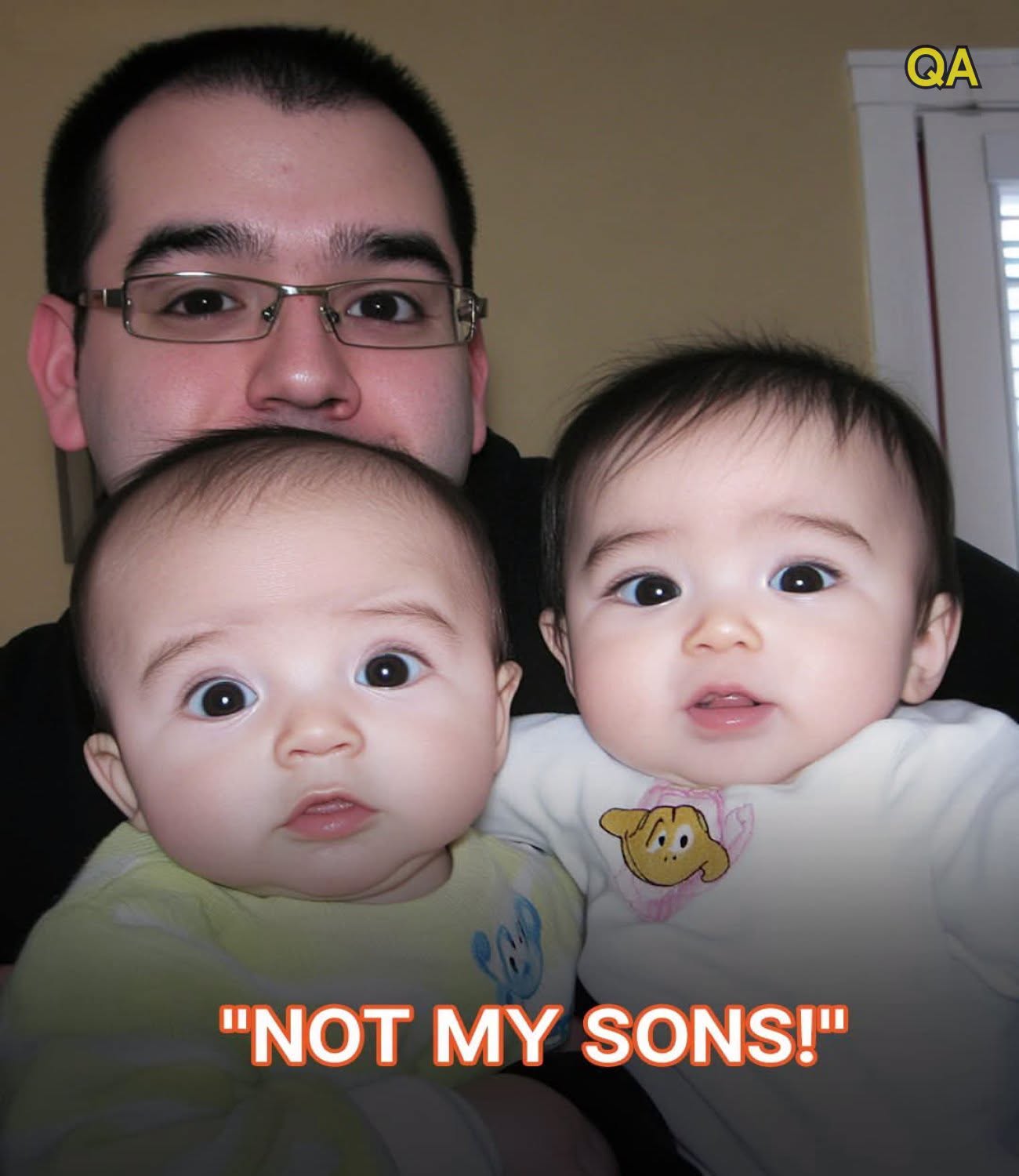
Stories about unexpected DNA results often attract attention because they involve two deeply personal subjects: family identity and health. In the scenario presented, a man named Harry learns during a child’s medical assessment that the twin boys he has raised may have a biological relationship to him different from the one he understood. The discovery leads to questions about parentage, family history, trust, and responsibility.
While dramatic accounts of this kind can be compelling, real medical and genetic situations require careful interpretation. A clinical test result should not be viewed in isolation, especially when it appears to contradict established family information. Doctors, genetic counselors, accredited laboratories, and mental-health professionals can help families understand what testing can show, what it cannot prove on its own, and how to approach difficult conversations with care.
Why Genetic Testing Can Reveal Unexpected Family Information
Genetic testing is used for many legitimate medical reasons. When a child has anemia, for example, clinicians may order blood tests to assess red blood cell levels, iron status, vitamin deficiencies, inflammation, inherited blood disorders, or other possible causes. Depending on the findings and a patient’s family history, specialists may recommend genetic testing for conditions such as thalassemia, sickle cell disease, or other inherited disorders.
Some forms of genetic testing compare patterns of DNA shared among relatives. These tests can identify biological relationships with a high degree of confidence when they are designed and interpreted appropriately. However, the precise conclusion depends on the type of test, the family members tested, the laboratory’s methods, and the clinical question being asked.
