

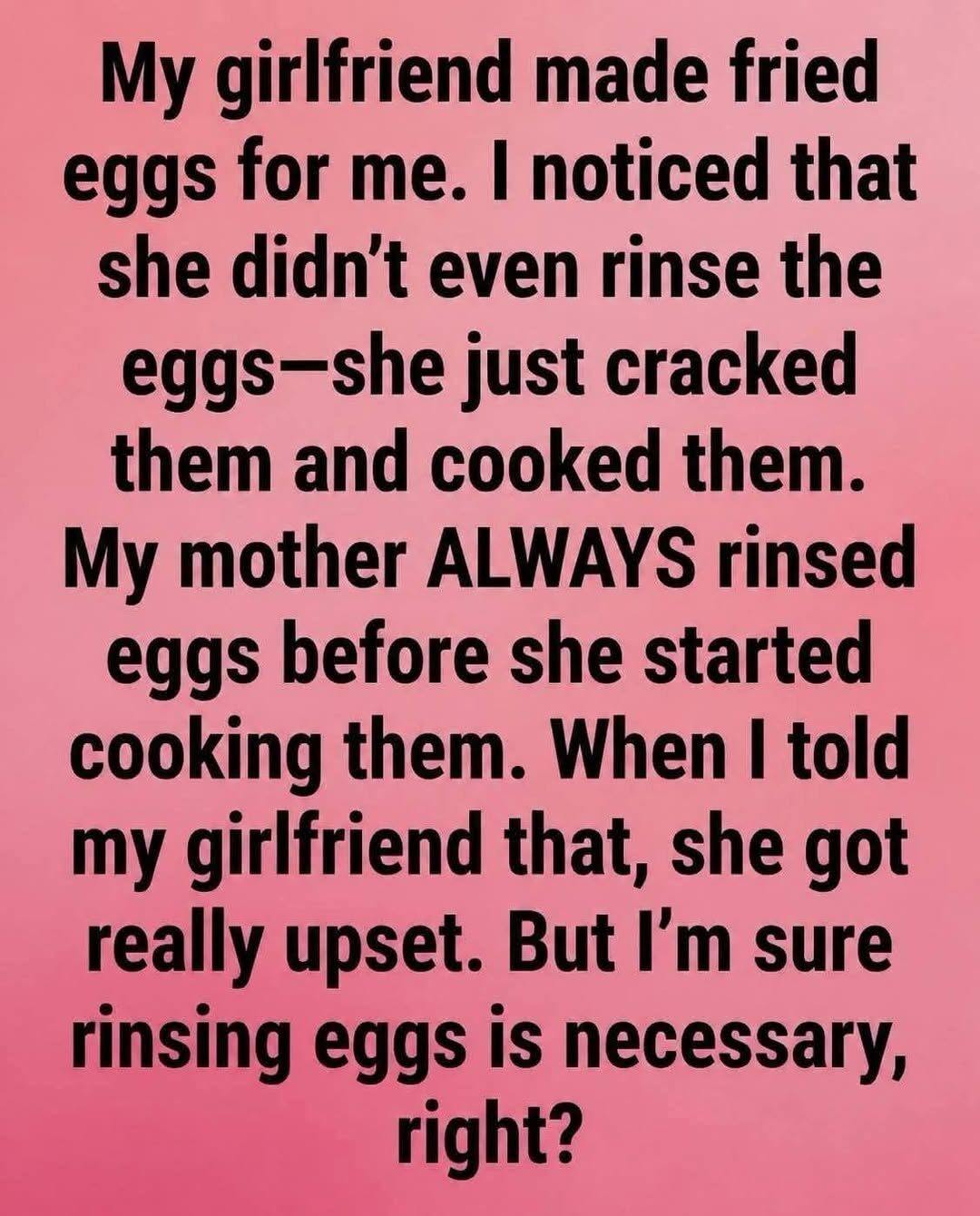
However, the conversation doesn’t need to become an argument.
Different households develop different habits, often based on what parents and grandparents taught them.
A better approach might be to say:
“I grew up seeing eggs washed before cooking, so I always assumed it was necessary. I didn’t realize supermarket eggs were already cleaned.”
That creates room for a conversation rather than a confrontation.
Food safety should be based on evidence, not on proving that one person’s family tradition is superior.
17. The Best Everyday Habits for Handling Eggs
A few straightforward practices can make egg preparation safer.
Purchase eggs from reputable sources and check that the shells are intact.
Follow local storage recommendations and keep commercially washed eggs refrigerated.
Avoid unnecessary washing of store-bought eggs.
Wash your hands after handling raw eggs.
Keep raw egg away from foods that will be eaten without additional cooking.
Clean countertops, utensils, and cutting boards after contact with raw eggs.
Cook eggs adequately, and use pasteurized products when preparing dishes that require raw or lightly cooked eggs.
These simple habits provide more meaningful protection than relying on any single kitchen trick.
Frequently Asked Questions
Should I rinse eggs before frying them?
If you are using commercially washed supermarket eggs, no. Additional rinsing is unnecessary and is not recommended by the USDA.
What is the natural coating on eggs called?
It is called the cuticle, or bloom. It helps protect the shell by covering some of its microscopic pores.
Does washing an egg remove its protective coating?
Washing and scrubbing can damage or remove the cuticle, depending on the method used.
Are unwashed eggs safer than washed eggs?
Not automatically. Safety depends on the entire production, sanitation, storage, and handling system. Properly processed commercial eggs can be safe even though their natural coating has been removed.
Can bacteria live inside an egg?
Yes. Some bacteria, including Salmonella Enteritidis, can occasionally contaminate the interior of an egg before the shell forms.
