

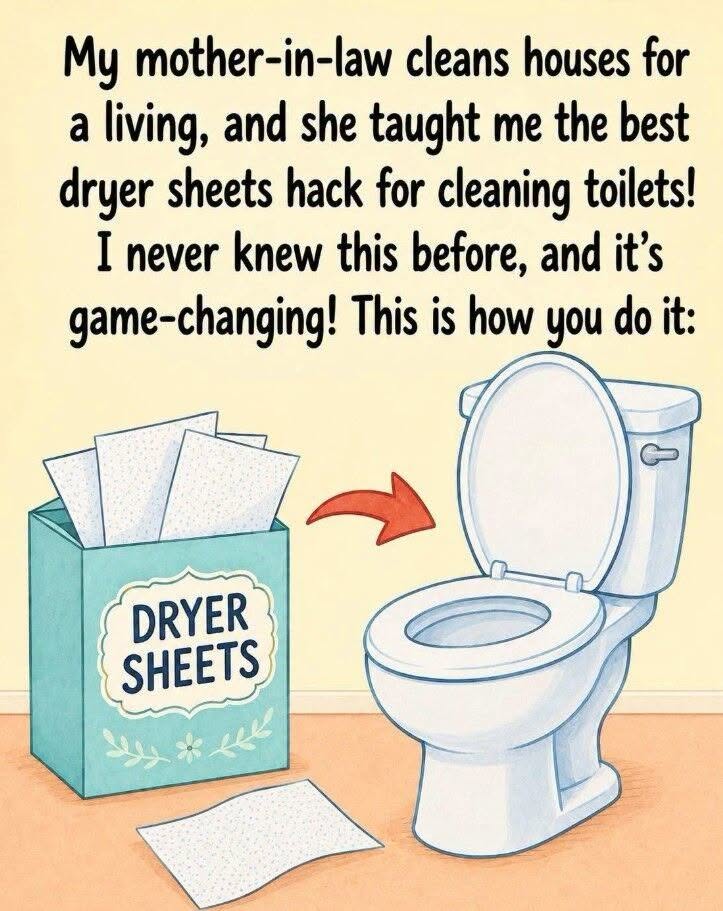
The Benefits of the Dryer Sheet Method
For many people, the dryer sheet hack has earned a permanent place in their bathroom cleaning routine because of its distinct advantages.
- Dust Repellent: The most immediate benefit is how long the toilet stays dust-free. The anti-static barrier keeps pet hair and dust bunnies off the tank and base.
- Hard Water Spot Reduction: The slick layer left behind makes it much harder for mineral deposits from splashed water to stick and dry onto the surface.
- Odor Control: The fragrance from the dryer sheet provides a quick, long-lasting freshness that masks bathroom odors.
- Streak-Free Shine: The gentle lubricants leave the porcelain and plastic surfaces looking polished and shiny without the need for harsh chemical sprays.
- Cost-Effective: Using a fraction of a dryer sheet is often cheaper than buying specialized bathroom cleaning wipes.
Important Limitations and Safety Cautions
While the hack is clever, it is crucial to understand that it is a supplementary trick, not a replacement for actual disinfection.
1. Dryer Sheets Do Not Disinfect
This is the most critical caveat. A toilet is a hotspot for bacteria, viruses, and fungi, including E. coli and Salmonella. Dryer sheets contain fabric softeners and fragrances, but they are not registered disinfectants. Wiping a toilet with a dryer sheet will remove some visible grime, but it will not kill the germs that can cause illness. You still need to use an EPA-registered disinfectant or a bleach-based cleaner at least once a week to sanitize the surfaces properly.
2. The Slip Hazard
Because dryer sheets leave behind a slick, waxy film, you must be careful not to use them on the floor around the toilet. If you drop the dryer sheet or use it near your feet, it can transfer that slick residue to the bathroom tile. This can create a serious slip hazard, especially for older adults or children.
3. Skin Sensitivity
The chemicals used in dryer sheets (like quaternary ammonium compounds) can cause skin irritation in sensitive individuals. Because the toilet seat comes into direct contact with the skin, some people may experience contact dermatitis, redness, or itching. If you have sensitive skin, it is better to use a fragrance-free, gentle cleaning wipe on the seat, and reserve the dryer sheet for the tank and exterior base.
4. Environmental Considerations
Dryer sheets are single-use items made of synthetic materials. Using them frequently for cleaning adds to household waste. If you are looking for a more eco-friendly alternative, you can use a washable microfiber cloth sprayed with a mild vinegar-and-water solution to achieve a similar streak-free, dust-repellent finish.
Combining the Hack with Proper Hygiene
If you love the dust-repelling, shiny results of the dryer sheet trick, you can integrate it into a comprehensive bathroom cleaning routine.
- The Weekly Deep Clean: Once a week, use a proper disinfectant spray or disinfecting wipe on the toilet seat, handle, and rim. Scrub the inside of the bowl with a toilet brush.
- The Dryer Sheet Finish: Once the disinfectant has dried, follow up by wiping the exterior tank and base with a dryer sheet. This gives you the anti-dust barrier and the fresh scent without compromising on germ control.
- Daily Wipe-Downs: Keep a dryer sheet or a disinfecting wipe handy for a quick daily wipe of the handle and lid, which are the most frequently touched surfaces.
