

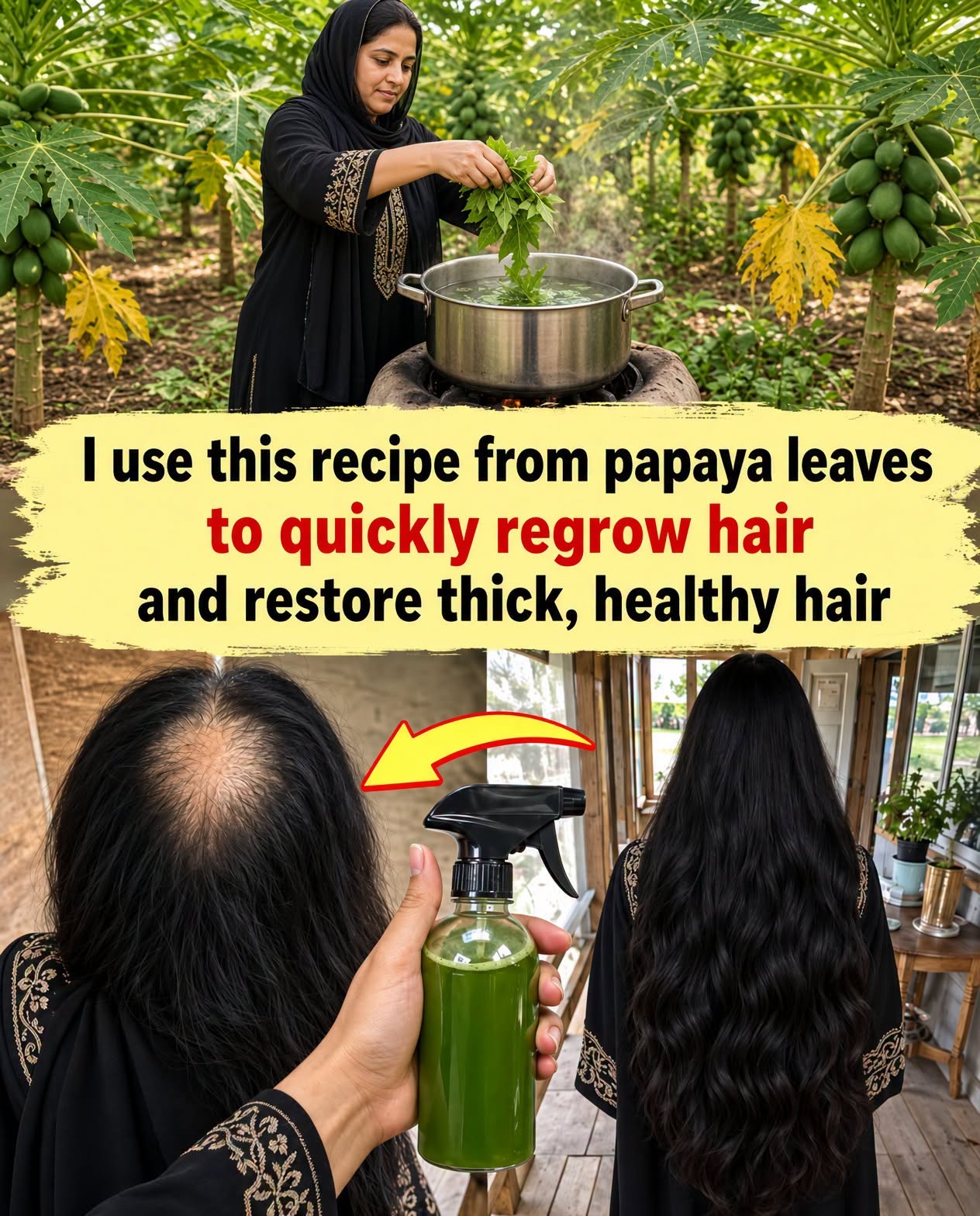
Hair shedding can feel alarming, especially when you start noticing more strands on your pillow, in the shower drain, or along your hairline.
This is why home remedies such as papaya leaves attract so much attention. They are inexpensive, natural, and often described online as a way to “reset the scalp” or stop hair loss quickly.
The more realistic view is this: papaya leaves may contain plant compounds and enzymes that can be useful in scalp cleansing, but there is no good evidence that they can stop hair loss rapidly or regrow lost hair on their own.
A healthier scalp can support better hair care, but scalp cleanliness and true hair loss are not the same problem.
Why the scalp can start feeling uncomfortable
The scalp is skin, and like other skin, it can become irritated.
Common causes include:
- excess oil
- sweat
- dandruff
- product buildup
- tight hairstyles
- harsh shampoos
- frequent heat styling
- scratching
- skin conditions such as seborrheic dermatitis
When the scalp is irritated, you may notice:
- itching
- flaking
- tenderness
- oiliness
- a heavy feeling at the roots
- increased breakage
These problems can make hair look thinner, even if the follicles themselves are still functioning normally.
What papaya leaves actually contain
Papaya leaves contain several naturally occurring compounds, including:
- papain and related enzymes
- polyphenols
- flavonoids
- other plant antioxidants
These compounds have been studied mostly in laboratory settings for antimicrobial, antioxidant, and anti-inflammatory properties.
That sounds promising, but it does not mean papaya leaves are a proven hair-growth treatment.
The research on direct use for human scalp care is still limited.
Can papaya leaves stop hair loss?
There is no reliable clinical evidence showing that papaya leaves can stop androgenetic hair loss, female-pattern thinning, or other common causes of hair loss.
Hair loss can be caused by many different factors, including:
