

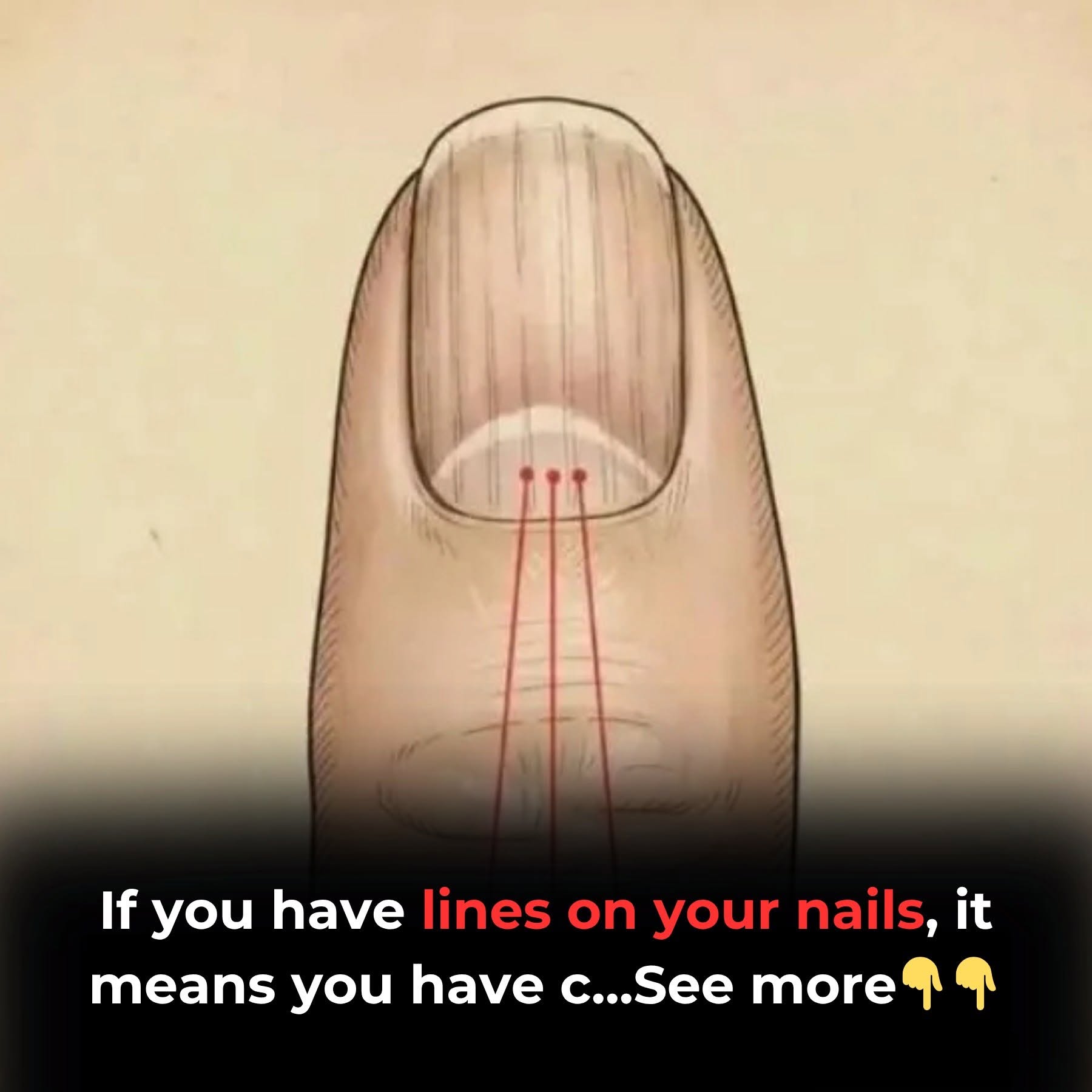
2. Brittle Nails: Why Do Fingernails Break So Easily?
Brittle nails are among the most common nail complaints.
They may split, peel, crack, or break with very little pressure.
In many cases, brittle nails are related to everyday environmental exposure rather than serious illness.
Frequent contact with water, detergents, cleaning products, and nail polish removers can weaken the nail plate.
Repeatedly moving between wet and dry conditions may also cause the nail to expand and contract, contributing to splitting.
Other possible causes include:
- Aging.
- Repeated nail trauma.
- Excessive use of artificial nails.
- Frequent exposure to solvents.
- Certain skin conditions.
- Iron deficiency in some individuals.
- Thyroid disorders.
Could Brittle Nails Indicate Iron Deficiency?
Iron is essential for producing hemoglobin, the protein in red blood cells that transports oxygen.
When the body does not have enough iron, iron deficiency may develop. If the deficiency becomes severe enough to reduce hemoglobin, iron deficiency anemia can occur.
Some people with iron deficiency develop thin or fragile nails.
In more pronounced cases, the nails may become spoon-shaped, a condition known as koilonychia.
However, brittle nails alone are not a reliable sign of iron deficiency.
A blood test is needed to evaluate iron status.
Depending on the situation, a clinician may recommend a complete blood count, ferritin measurement, and other iron studies.
What About Thyroid Disorders?
Thyroid hormones influence metabolism and many processes involved in skin and nail growth.
An underactive thyroid, known as hypothyroidism, may be associated with dry skin, brittle nails, and slower nail growth.
Other symptoms may include:
- Fatigue.
- Sensitivity to cold.
- Constipation.
- Dry skin.
- Hair thinning.
- Unexplained weight gain.
These symptoms are not specific to thyroid disease, but a combination of persistent symptoms may justify medical evaluation.
How to Protect Brittle Nails
Simple changes may improve nail condition:
- Wear gloves when using cleaning products.
- Avoid prolonged soaking of the hands.
- Apply moisturizer to the nails and surrounding skin.
- Use acetone-based removers sparingly.
- Avoid aggressive filing.
- Keep nails at a manageable length.
- Do not peel or bite damaged nail layers.
If brittle nails develop suddenly, affect several fingers, or occur alongside other symptoms, consider discussing them with a healthcare professional.
3. Spoon-Shaped Nails: A Possible Sign of Iron Deficiency
Spoon-shaped nails, medically known as koilonychia, have an unusual appearance.
Instead of maintaining their normal gentle curve, the center of the nail becomes concave while the edges curve upward.
In some cases, the nail may resemble a tiny spoon.
This condition is particularly associated with iron deficiency, although it can have other causes.
Iron deficiency may develop because of:
- Inadequate dietary iron.
- Heavy menstrual bleeding.
- Gastrointestinal blood loss.
- Pregnancy-related increased iron requirements.
- Conditions that reduce iron absorption.
- Certain chronic illnesses.
Koilonychia can also occur in people with repeated occupational exposure to certain substances or as an inherited feature.
Other Symptoms That May Accompany Iron Deficiency
A person with iron deficiency anemia may experience:
- Persistent fatigue.
- Weakness.
- Pale skin.
- Dizziness.
- Headaches.
- Shortness of breath during activity.
- Heart palpitations.
- Reduced exercise tolerance.
Some people also experience unusual cravings for non-food substances, a condition called pica.
If spoon-shaped nails appear alongside these symptoms, medical assessment is appropriate.
A clinician can determine whether iron deficiency is present and investigate the underlying cause.
