

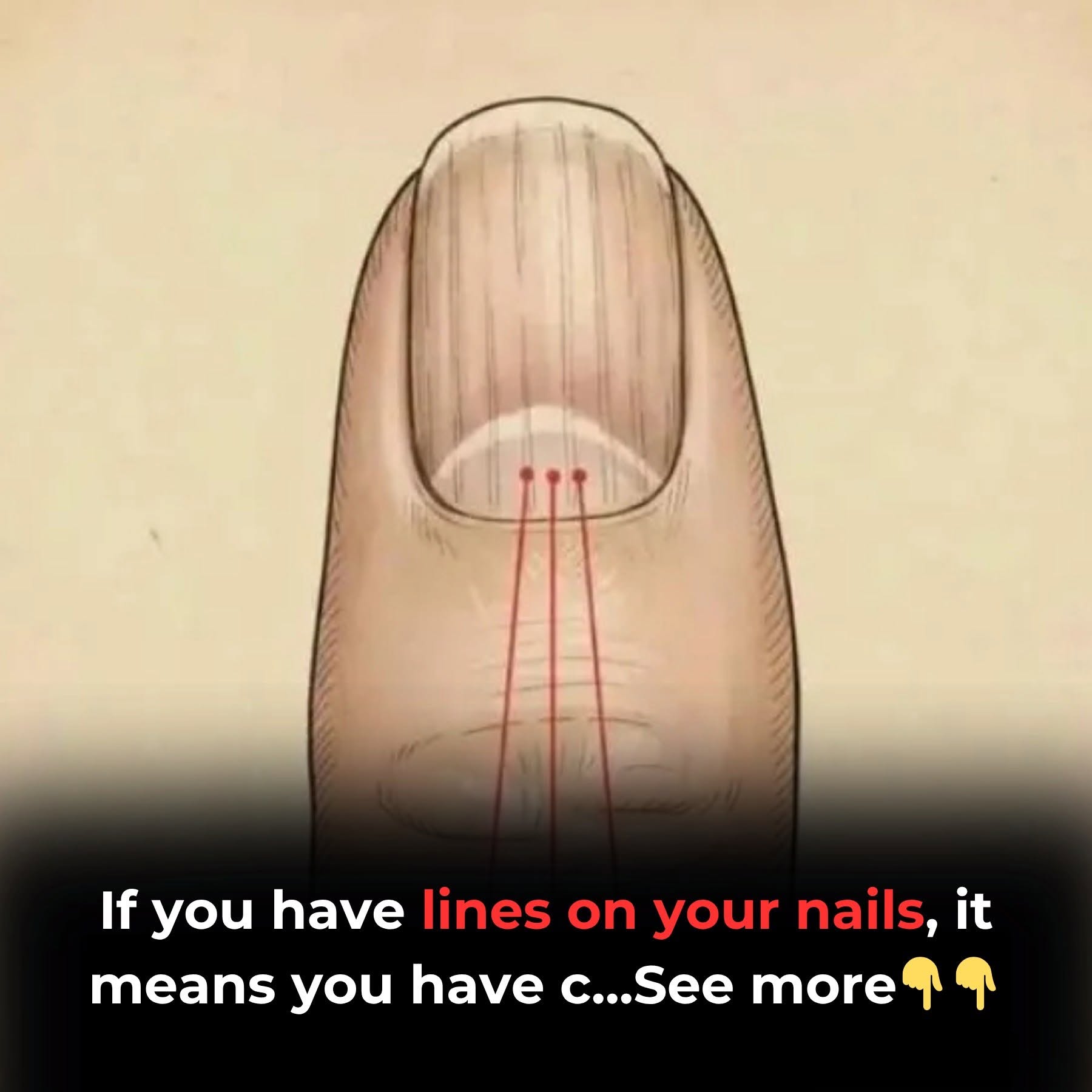
Red or brown streaks under the nails could indicate small areas of bleeding called splinter hemorrhages. These may result from minor injury, but when multiple streaks appear without trauma, they can sometimes signal heart valve infections (endocarditis) or systemic vasculitis.It is important to emphasize that nail changes are not diagnostic on their own.Many nail abnormalities have harmless explanations, including aging, environmental exposure, or temporary stress.However, persistent, unusual, or rapidly changing nail signs—especially when accompanied by other symptoms—should prompt medical evaluation.Maintaining nail health involves balanced nutrition, adequate hydration, proper hygiene, and protection from excessive chemicals.Diets rich in protein, iron, zinc, biotin, and essential vitamins support healthy nail growth.Regular medical check-ups can also identify underlying issues before nail changes become severe.In conclusion, fingernails truly can act as a “mirror” reflecting internal health.
Changes in color, shape, texture, or growth pattern may provide clues about nutritional deficiencies, circulation problems, organ dysfunction, autoimmune disorders, or systemic disease.
What Your Fingernails May Reveal About Your Health: 15 Nail Changes You Should Know and When to See a Doctor
Fingernails do more than protect the sensitive tips of our fingers. They also offer visible clues about changes in the skin, circulation, nutrition, and general health.
A change in nail color, shape, thickness, or growth pattern may sometimes reflect an underlying medical condition. For example, certain nail abnormalities are associated with iron deficiency, thyroid disorders, psoriasis, chronic lung disease, and problems affecting the liver or kidneys.
However, it is important to understand one essential point: nails cannot diagnose internal diseases on their own. Many changes have simple explanations, including aging, minor injuries, frequent handwashing, exposure to cleaning products, and fungal infections.
The value of observing your nails lies in recognizing persistent or unusual changes and understanding when they deserve medical attention.
1. The Anatomy of a Fingernail: Why Changes Occur
To understand what nail abnormalities may mean, it helps to know how a fingernail grows.
The visible nail plate is made primarily of keratin, a strong structural protein also found in hair and the outer layer of skin.
Several structures work together to produce and support a healthy nail.
The nail plate is the hard, visible portion of the nail. It protects the sensitive tissue underneath.
The nail matrix is the growth area located beneath the skin at the base of the nail. New nail cells form here and gradually move forward, creating the nail plate.
The nail bed is the tissue underneath the nail plate. Its blood supply contributes to the familiar pink appearance of many healthy nails.
The cuticle is a thin layer of protective tissue around the base of the nail. It helps prevent bacteria and other microorganisms from entering the area where the nail grows.
The lunula is the pale, half-moon-shaped area sometimes visible near the base of the nail. It represents the visible portion of the nail matrix in some fingers.
Changes affecting these structures can alter the nail's appearance.
For example, damage to the nail matrix may create ridges or changes in the nail plate that remain visible as the nail grows. Inflammation around the nail may cause swelling and discomfort. Changes in the nail bed may produce discoloration.
Fingernails typically grow around 3 millimeters per month, although growth varies between individuals, fingers, age groups, and health conditions.
A fingernail can take approximately four to six months to grow from the base to the tip. This means that some changes become visible only after the original illness or injury has passed.
