

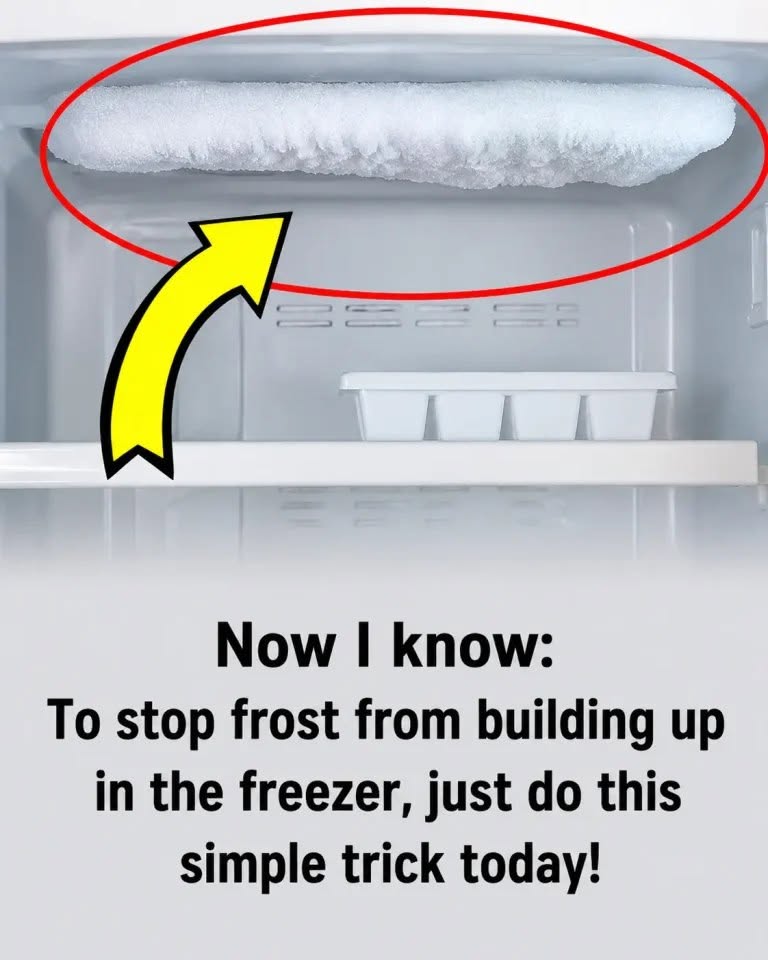
A refrigerator is one of the most essential appliances in any home, helping keep food fresh and reducing waste. However, if you notice a thick layer of ice building up inside the freezer, don’t ignore it.
Excessive frost can reduce your refrigerator’s efficiency, increase energy consumption, and even shorten the appliance’s lifespan.
What Happens When Your Freezer Is Covered in Ice?
While a small amount of frost is normal in some freezers, excessive ice buildup can cause several problems:
1. Less Storage Space
As ice accumulates, it takes up valuable room inside the freezer, leaving less space for your frozen food.
2. Higher Energy Bills
A thick layer of frost blocks the flow of cold air, forcing the refrigerator to work much harder to maintain the desired temperature. This increased workload results in higher electricity consumption and a noticeable rise in your energy bill.
3. Reduced Cooling Performance
Heavy frost prevents cold air from circulating evenly throughout the refrigerator. As a result, food may not stay at the proper temperature, increasing the risk of spoilage.
4. Shorter Appliance Lifespan
When the compressor has to run for longer periods to compensate for the blocked airflow, it experiences more wear and tear, which can lead to costly repairs or a shorter service life.
